 MEDIVEERSETHE PRACTICAL HUB
Histology
Identify. Understand. Recall.
Tissue identification through diagrams and micrographs.
Your practical collection.
32 topics · Open a card to study its reference images and viva.
Choose a region. Find your spotter.
32 lessons with anatomical references, identification clues and viva answers.
01Core tissues6
Browse this group →02Connective & supporting tissues6
Browse this group →03Epithelia6
Browse this group →
Epithelial tissue
Provides protective, absorptive and secretory surfaces.
Identify · Structures · Viva 1 reference · 2 viva prompts
Areolar connective tissue
Binds and supports surrounding tissues and permits diffusion.
Identify · Structures · Viva 1 reference · 2 viva prompts
Adipose tissue
Stores energy and contributes to cushioning, insulation and endocrine signalling.
Identify · Structures · Viva 1 reference · 2 viva prompts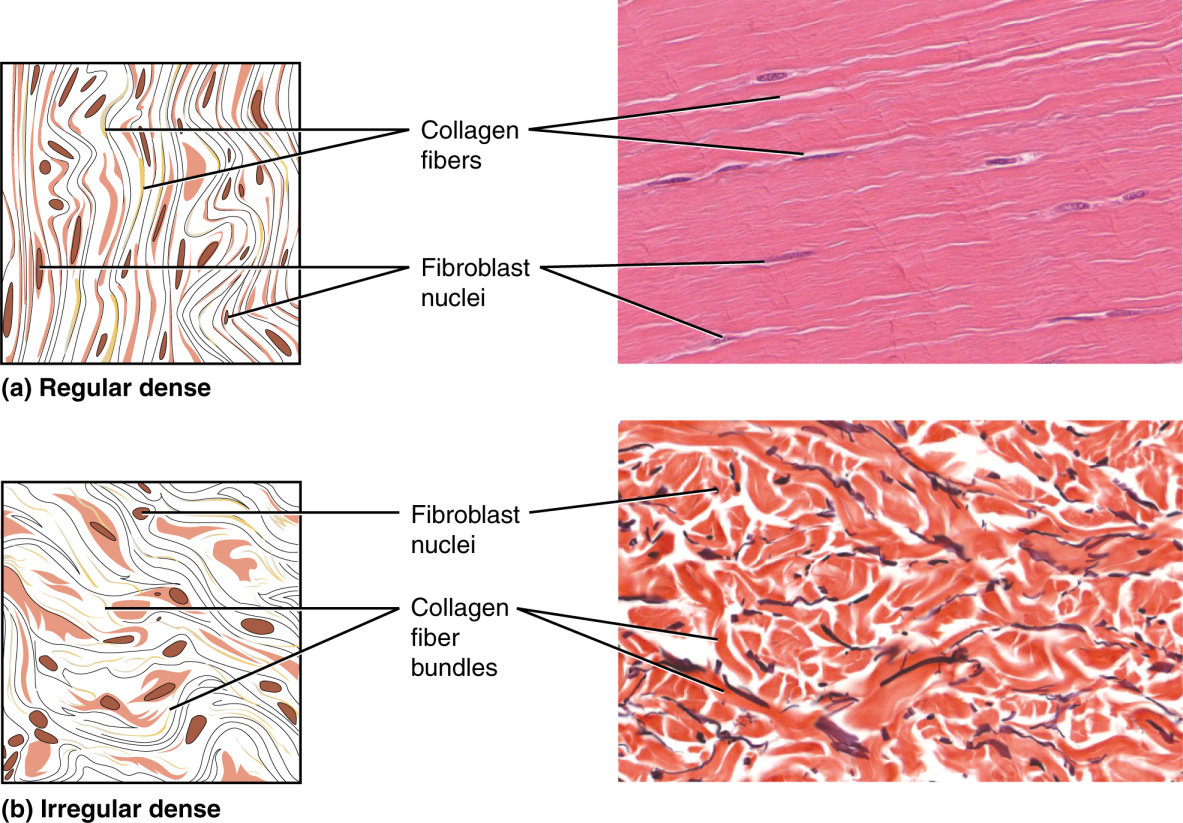
Dense connective tissue
Resists tensile forces; fibre arrangement reflects the direction of mechanical loading.
Identify · Structures · Viva 1 reference · 4 viva prompts
Cartilage: three patterns
Provides flexible support and, in articular cartilage, a low-friction bearing surface.
Identify · Structures · Viva 1 reference · 2 viva prompts
Skeletal, smooth & cardiac muscle
Produces movement, organ-wall contraction and cardiac pumping.
Identify · Structures · Viva 1 reference · 2 viva prompts
Nervous tissue
Receives, processes and transmits information.
Identify · Structures · Viva 2 references · 2 viva prompts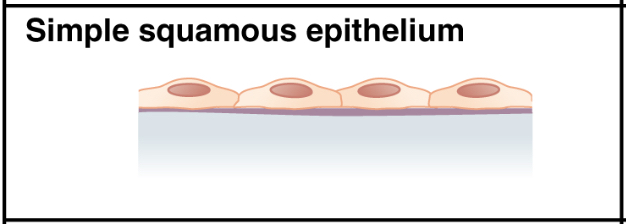
Simple squamous epithelium
Permits rapid exchange and provides low-friction lining at suitable sites.
Identify · Structures · Viva 1 reference · 4 viva prompts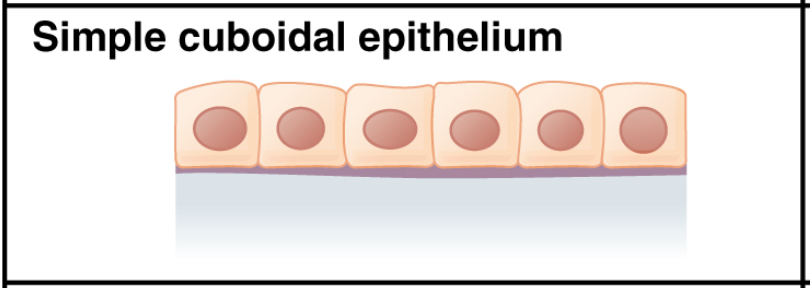
Simple cuboidal epithelium
Supports absorption and secretion in ducts and tubules.
Identify · Structures · Viva 1 reference · 4 viva prompts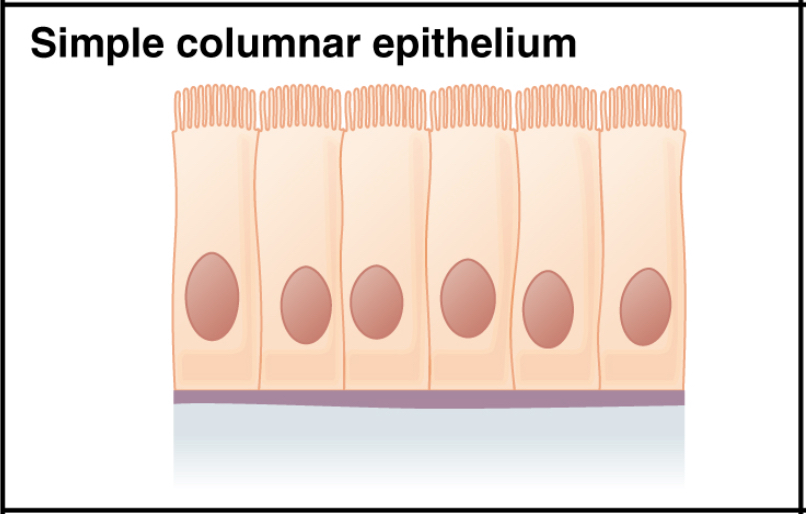
Simple columnar epithelium
Supports absorption and secretion, particularly in digestive lining.
Identify · Structures · Viva 1 reference · 4 viva prompts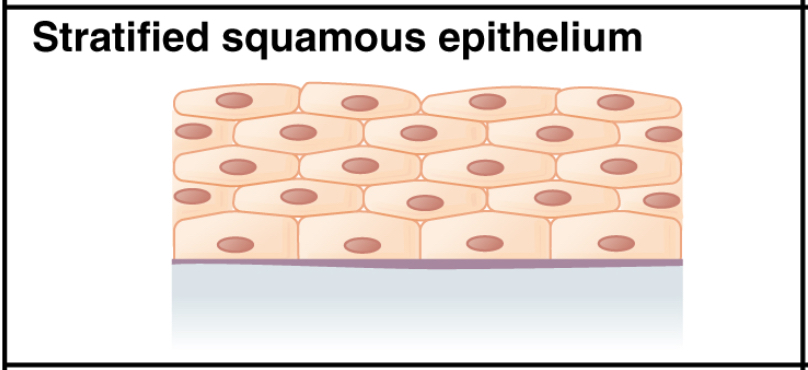
Stratified squamous epithelium
Protects surfaces exposed to friction; keratinisation varies by site.
Identify · Structures · Viva 2 references · 4 viva prompts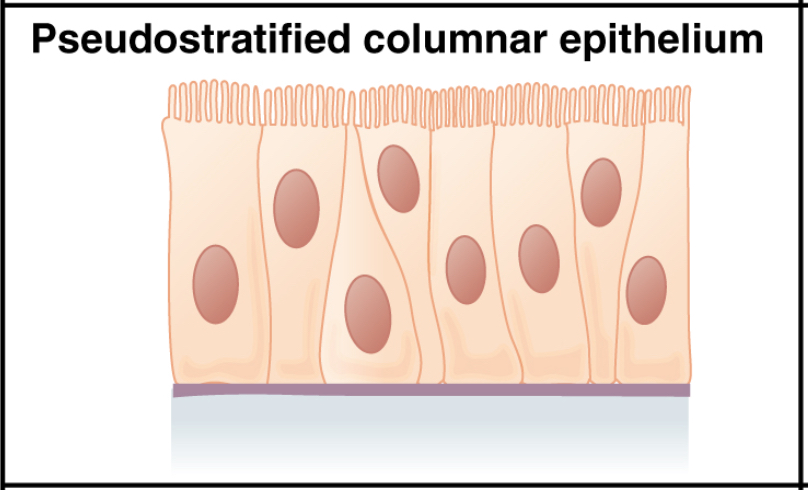
Pseudostratified ciliated epithelium
Typical conducting-airway lining supports mucociliary clearance.
Identify · Structures · Viva 2 references · 4 viva prompts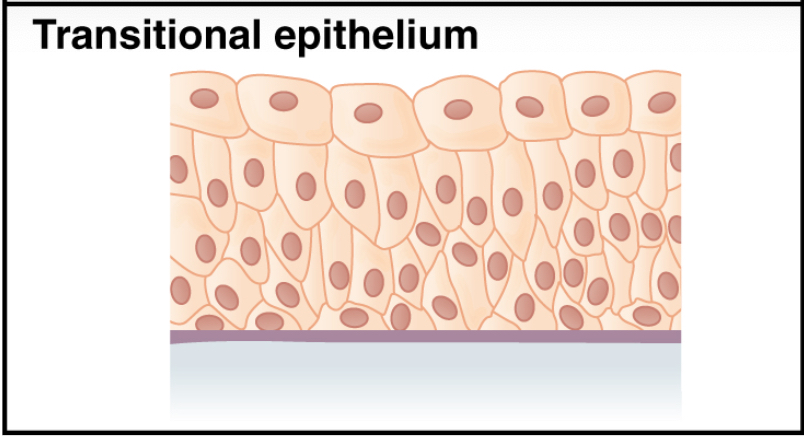
Transitional epithelium (urothelium)
Forms a distensible urine-resistant barrier in much of the urinary tract.
Identify · Structures · Viva 2 references · 4 viva prompts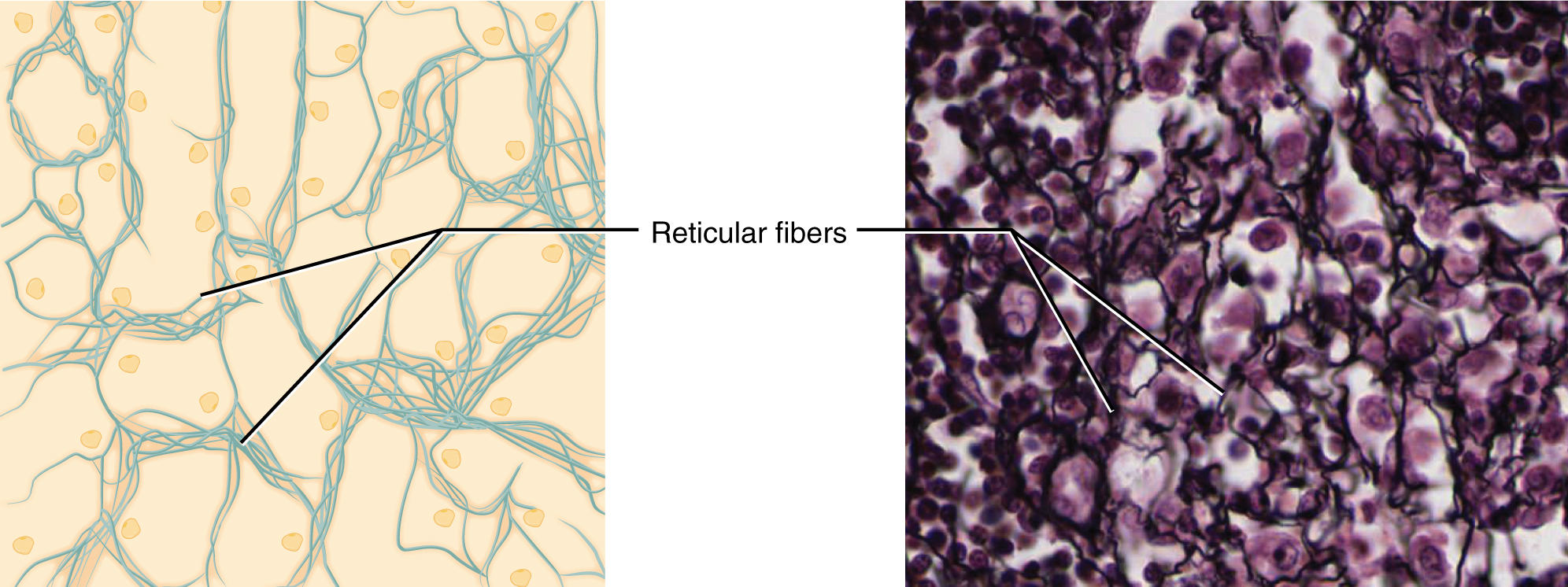
Reticular connective tissue
Provides a supporting framework in several lymphoid and haematopoietic organs.
Identify · Structures · Viva 1 reference · 4 viva prompts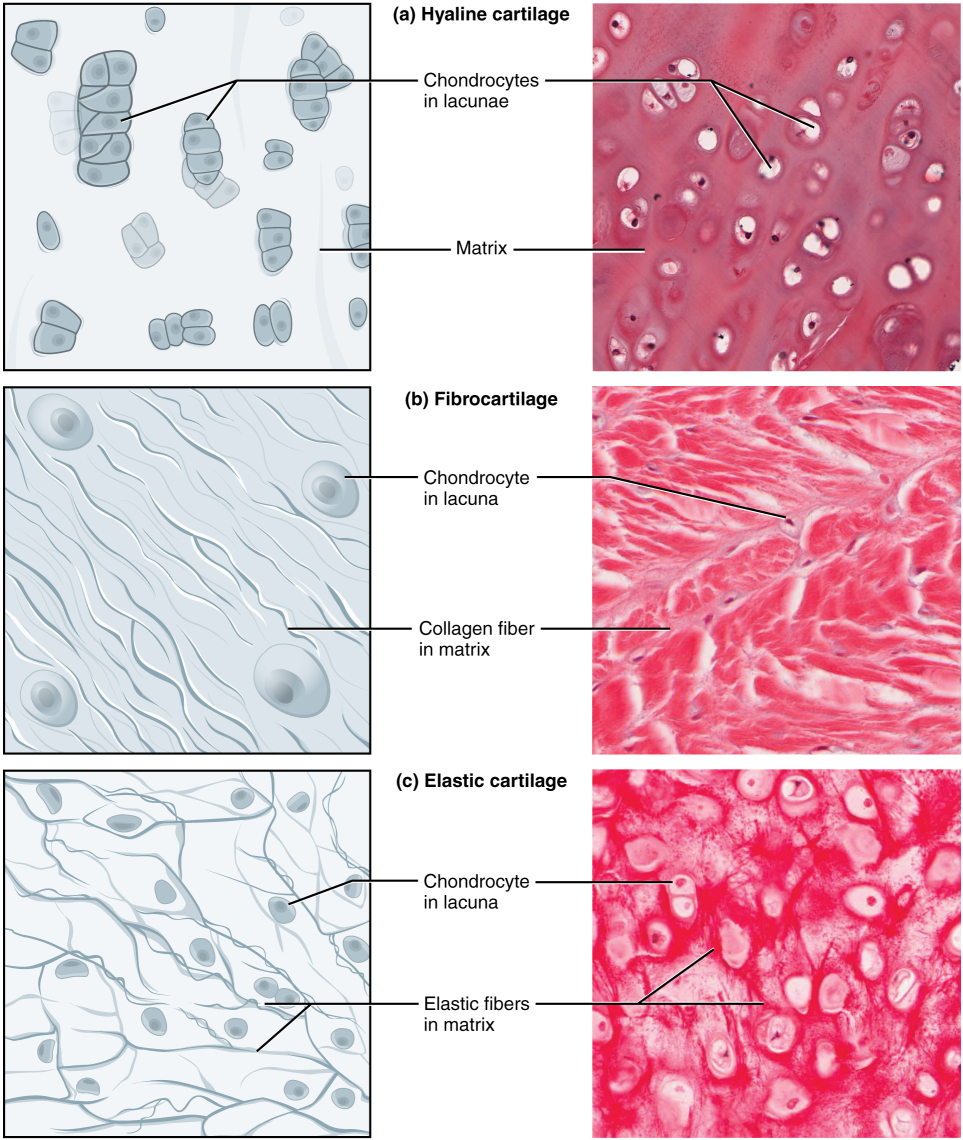
Hyaline cartilage
Provides resilient support and smooth articular surfaces; its collagen is mostly type II.
Identify · Structures · Viva 2 references · 4 viva promptsElastic cartilage
Maintains flexible shape, for example in auricle and epiglottis.
Identify · Structures · Viva 1 reference · 4 viva promptsFibrocartilage
Combines tensile resistance and compressive support at heavily loaded sites.
Identify · Structures · Viva 1 reference · 4 viva prompts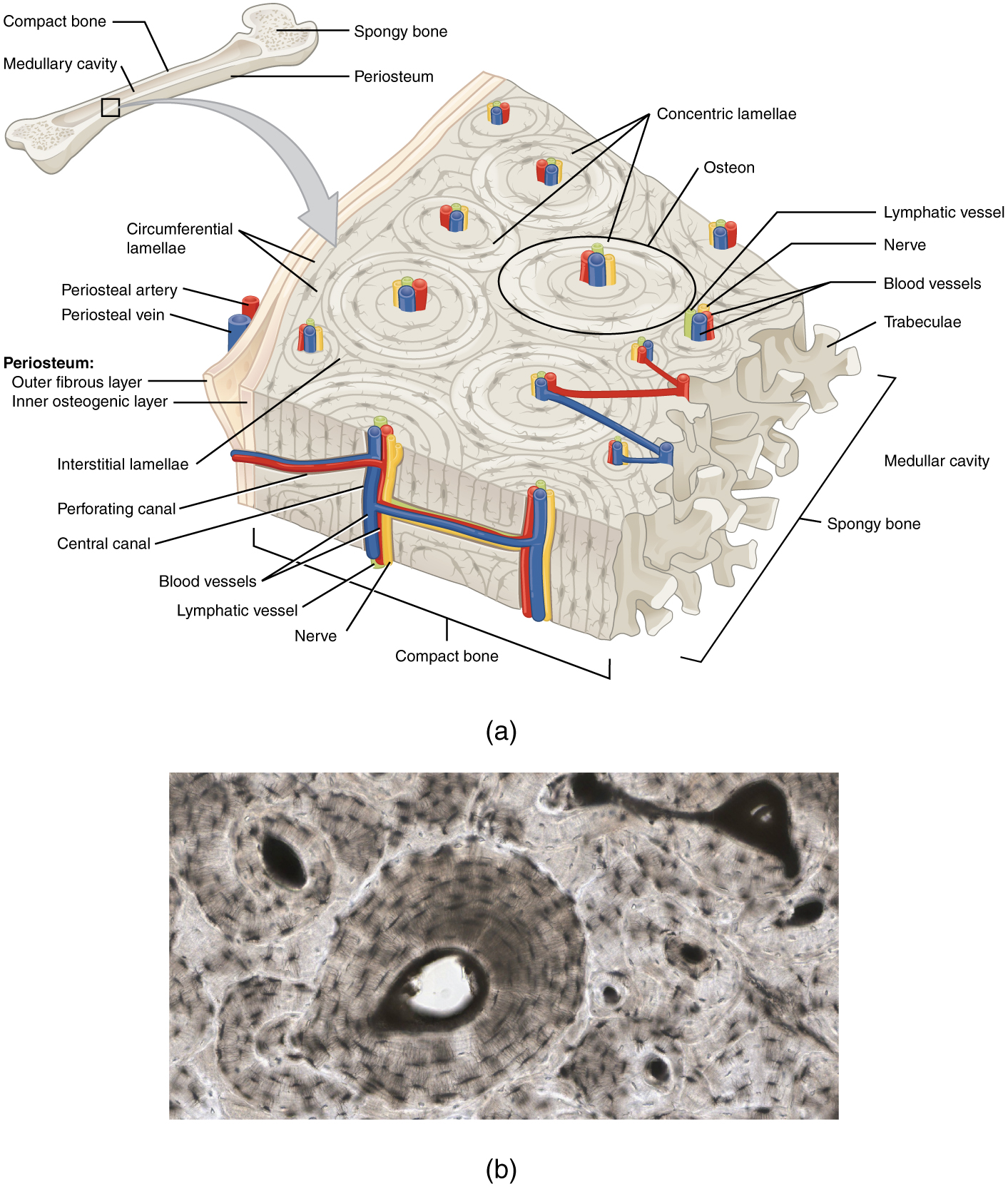
Compact bone: osteon
Provides rigid load-bearing support while maintaining living cells through vascular canal systems.
Identify · Structures · Viva 1 reference · 4 viva prompts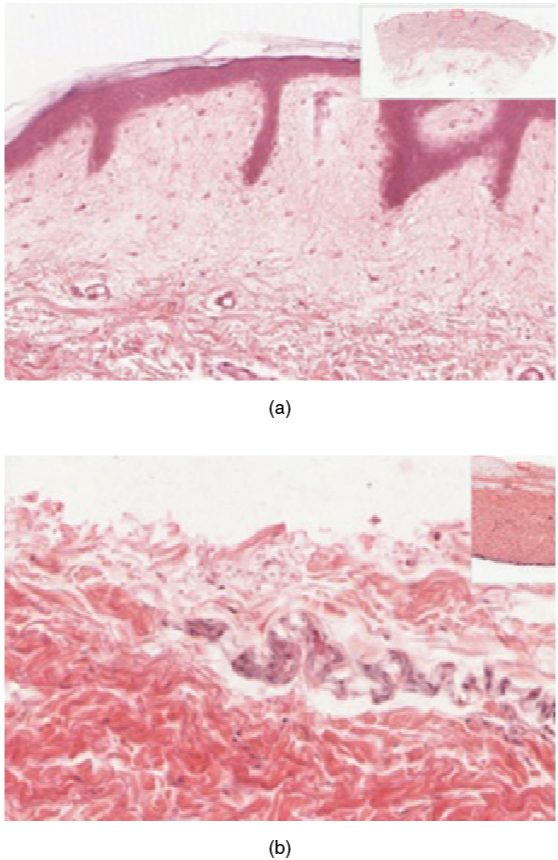
Thick skin
Protects high-friction palmar and plantar surfaces.
Identify · Structures · Viva 2 references · 4 viva promptsThin skin
Covers most body surfaces with regional variation in appendages and thickness.
Identify · Structures · Viva 2 references · 4 viva prompts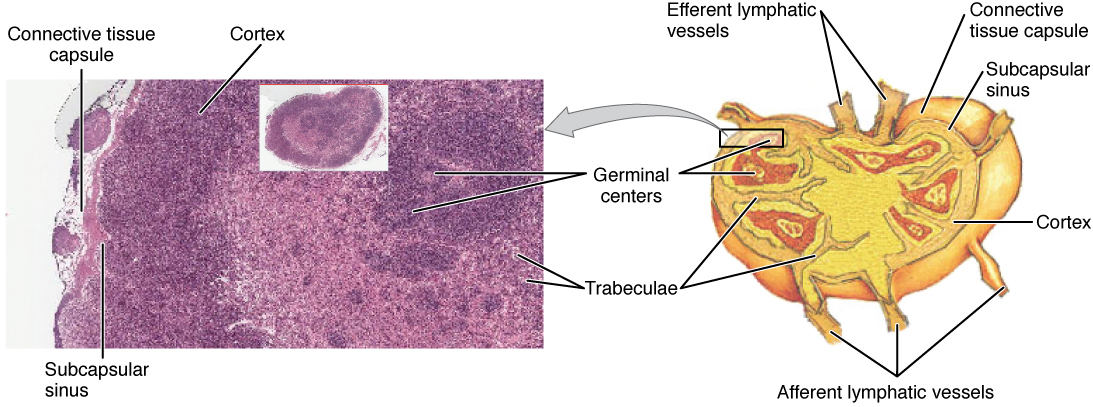
Lymph node
Filters lymph and supports adaptive immune-cell interactions.
Identify · Structures · Viva 1 reference · 4 viva prompts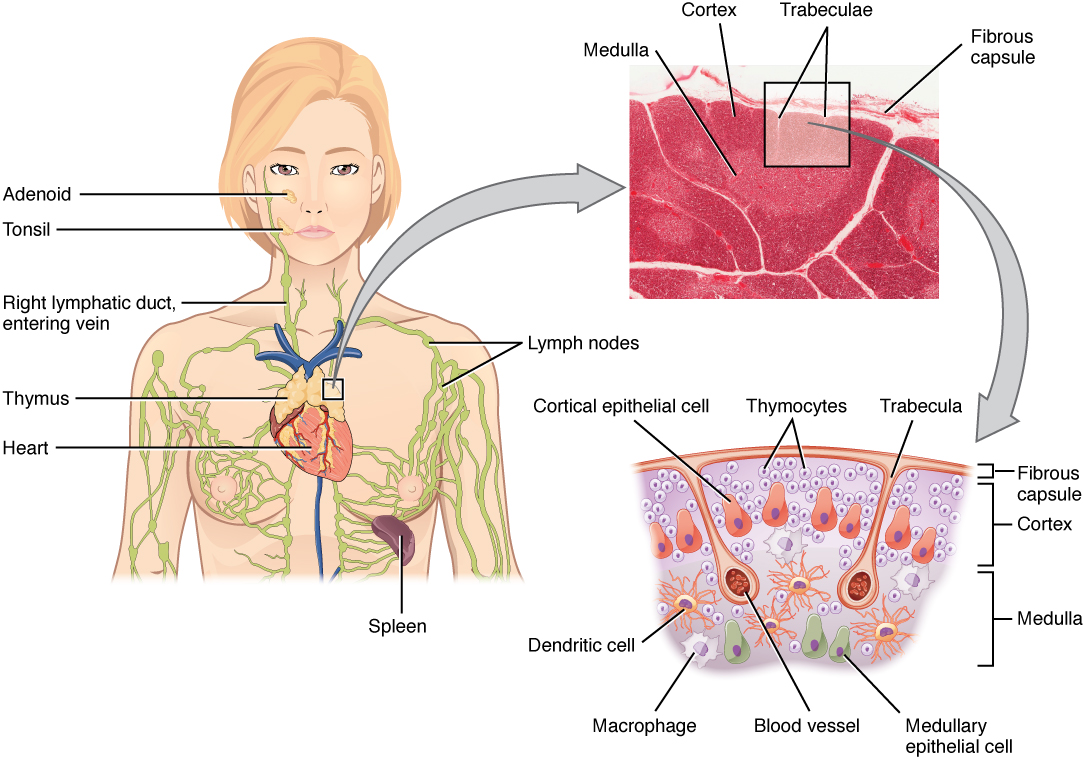
Thymus
Supports T-cell development and selection.
Identify · Structures · Viva 1 reference · 4 viva prompts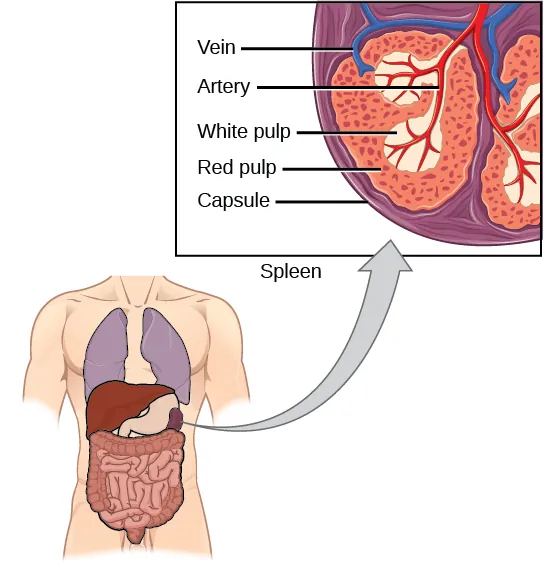
Spleen
Filters blood and participates in immune surveillance and removal of ageing blood cells.
Identify · Structures · Viva 1 reference · 4 viva prompts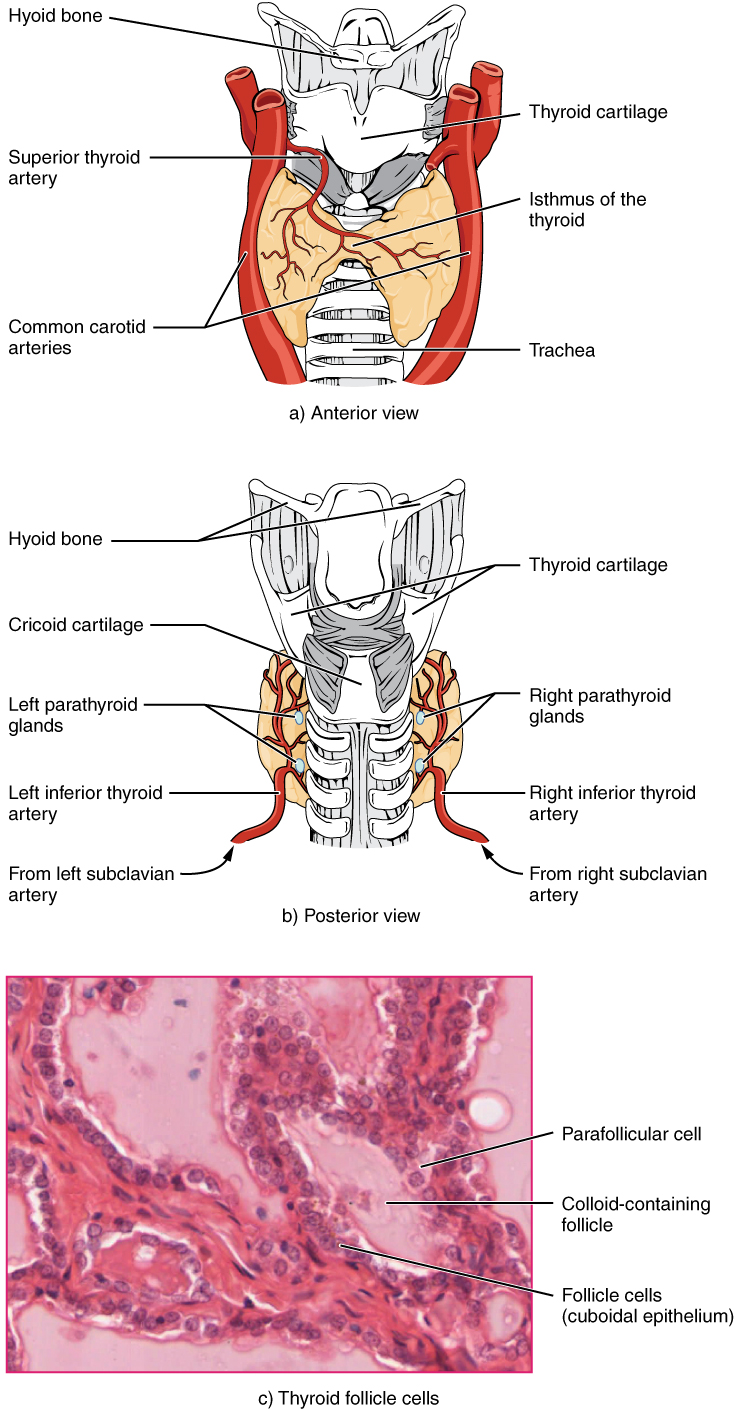
Thyroid gland
Follicular architecture stores thyroid-hormone precursors extracellularly in colloid.
Identify · Structures · Viva 1 reference · 4 viva prompts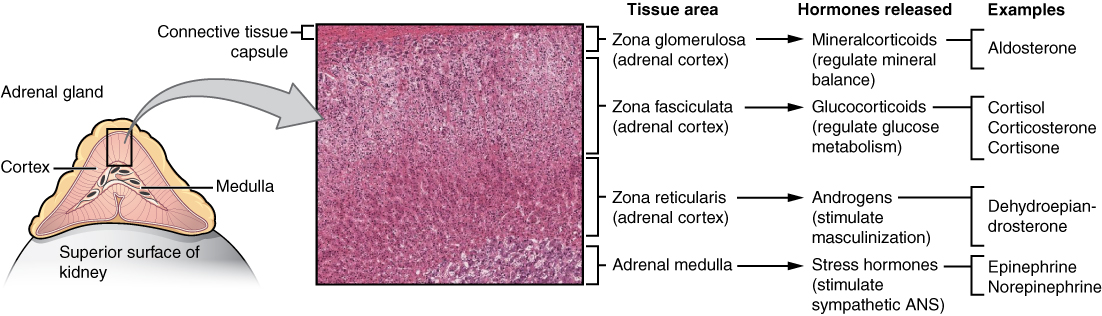
Adrenal gland
Cortex makes steroid hormones; medullary chromaffin cells secrete catecholamines.
Identify · Structures · Viva 1 reference · 4 viva prompts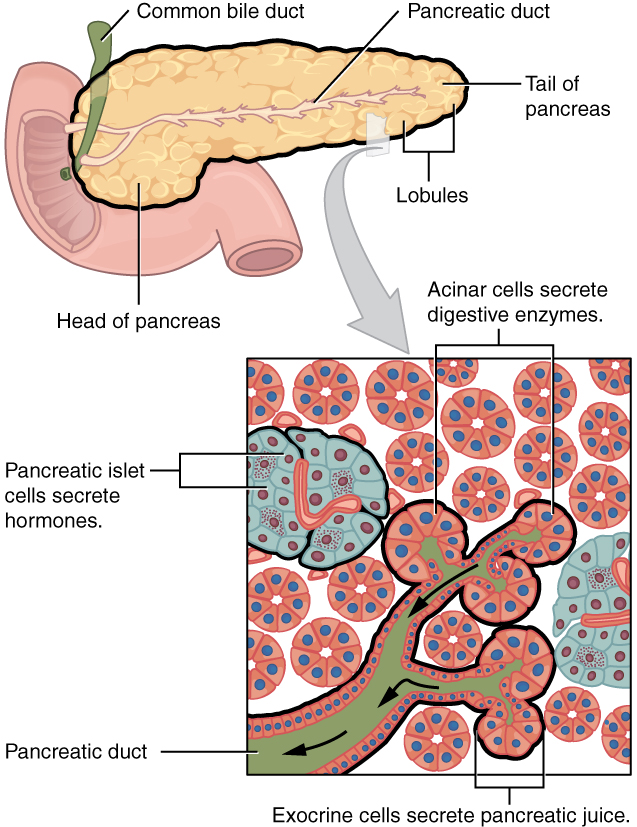
Pancreas
Combines exocrine digestive secretion with endocrine hormone release.
Identify · Structures · Viva 1 reference · 4 viva prompts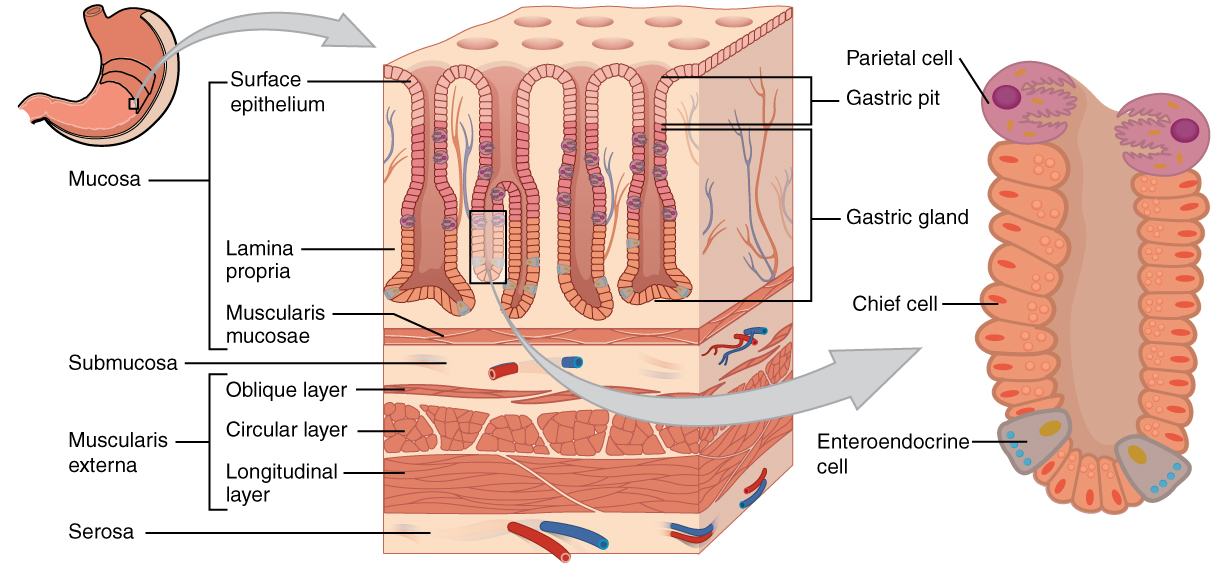
Stomach: gastric mucosa
Produces protective mucus, acid, intrinsic factor and digestive precursors according to region.
Identify · Structures · Viva 1 reference · 4 viva prompts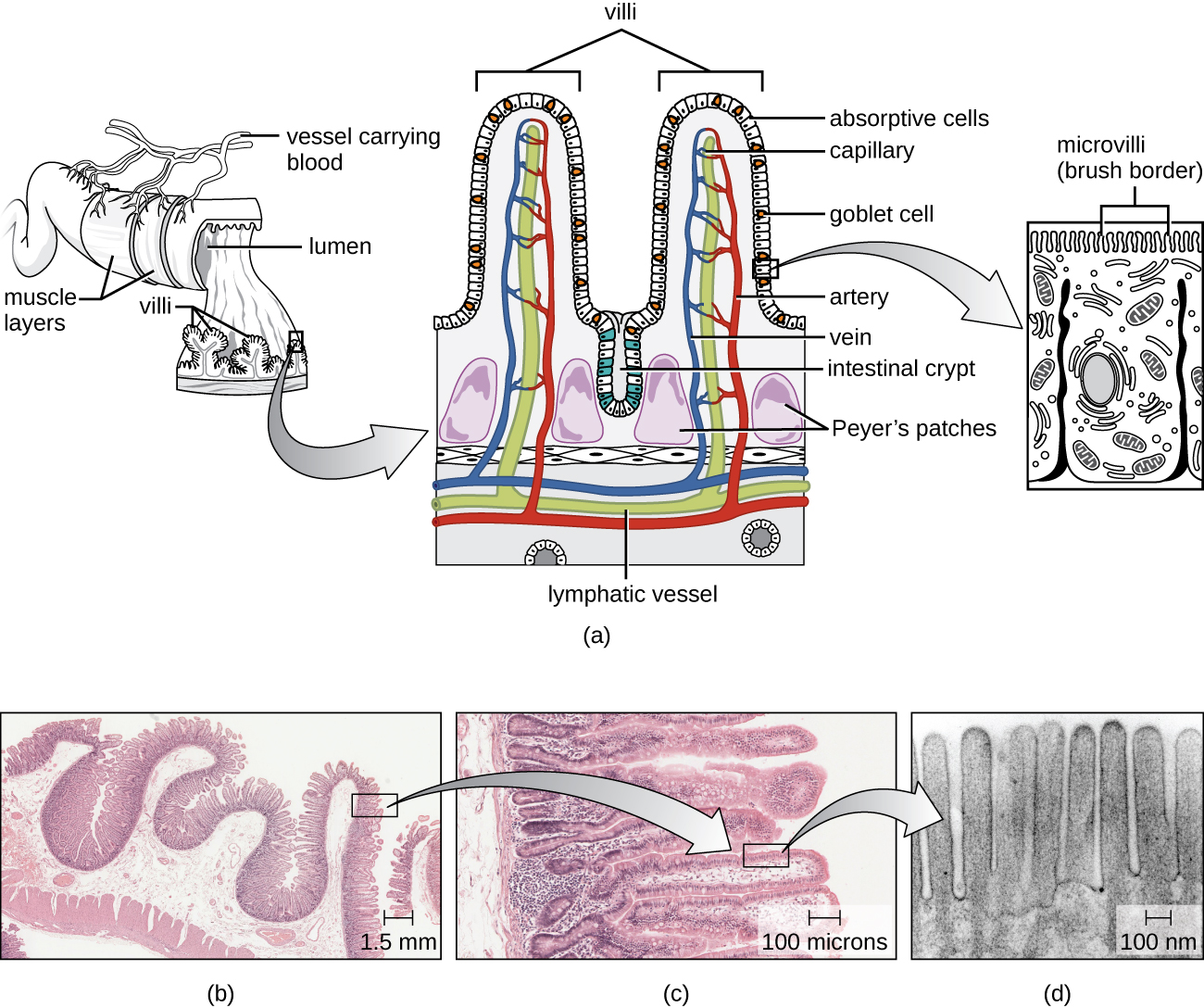
Small intestine
Provides a large absorptive surface for nutrients.
Identify · Structures · Viva 1 reference · 4 viva prompts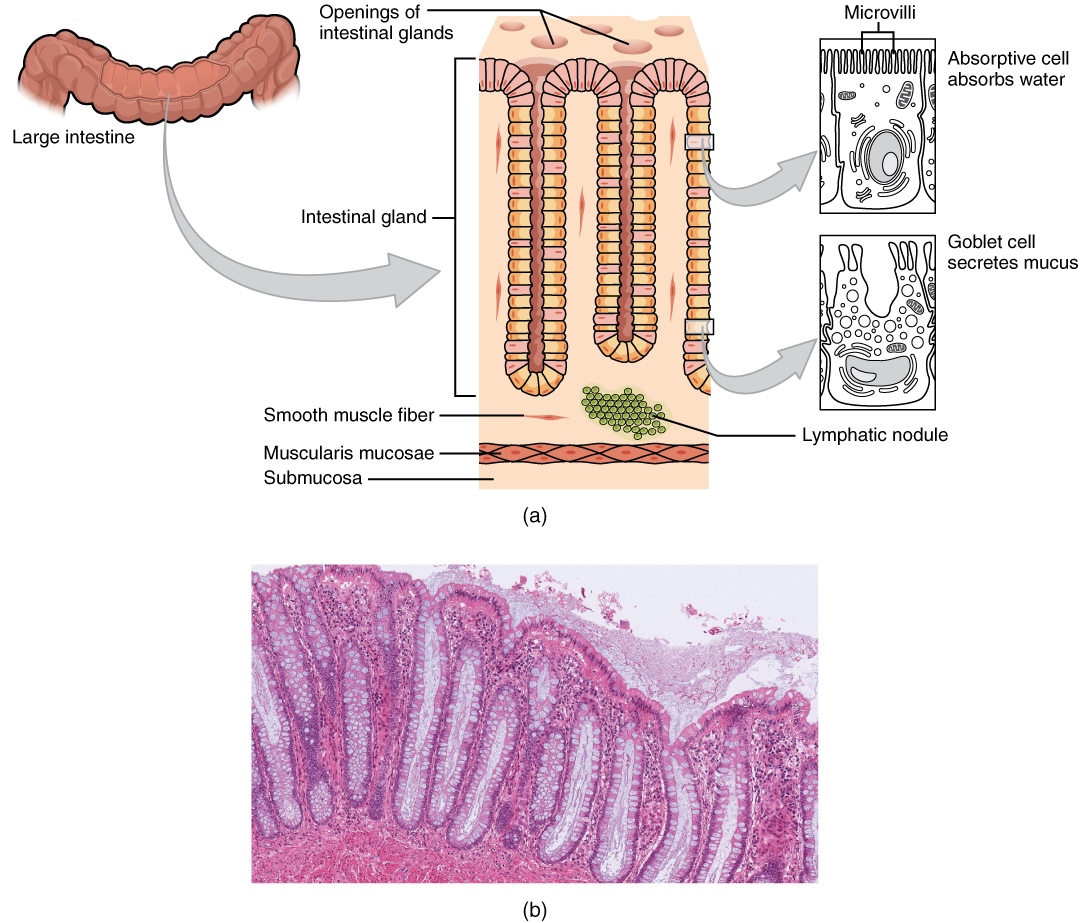
Large intestine
Absorbs water and electrolytes and lubricates luminal contents.
Identify · Structures · Viva 1 reference · 4 viva prompts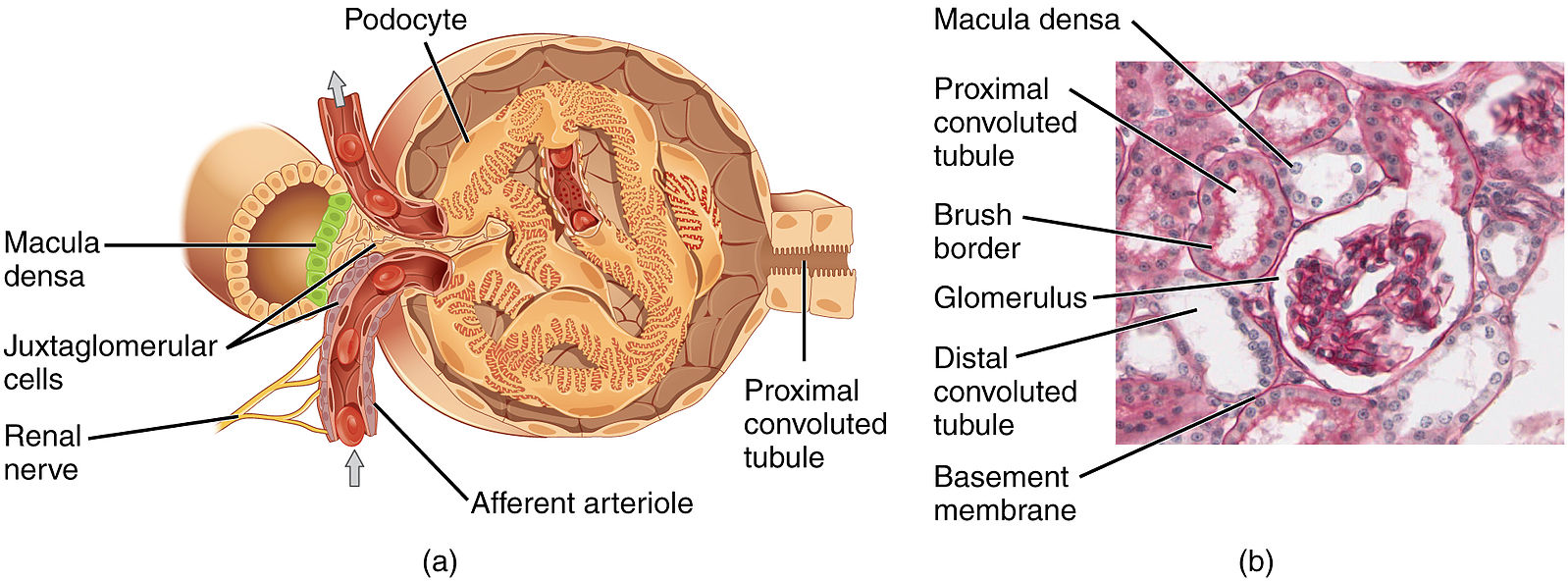
Renal corpuscle
Forms the initial plasma ultrafiltrate through the glomerular filtration barrier.
Identify · Structures · Viva 2 references · 4 viva prompts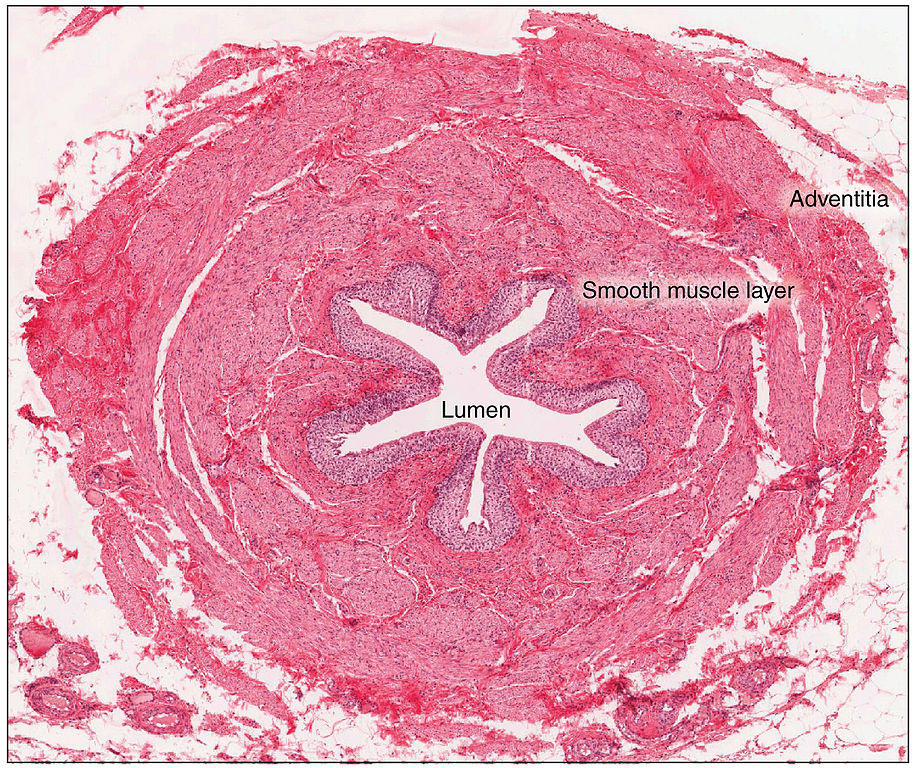
Ureter
Transports urine by smooth-muscle peristalsis while maintaining a protective lining.
Identify · Structures · Viva 1 reference · 4 viva prompts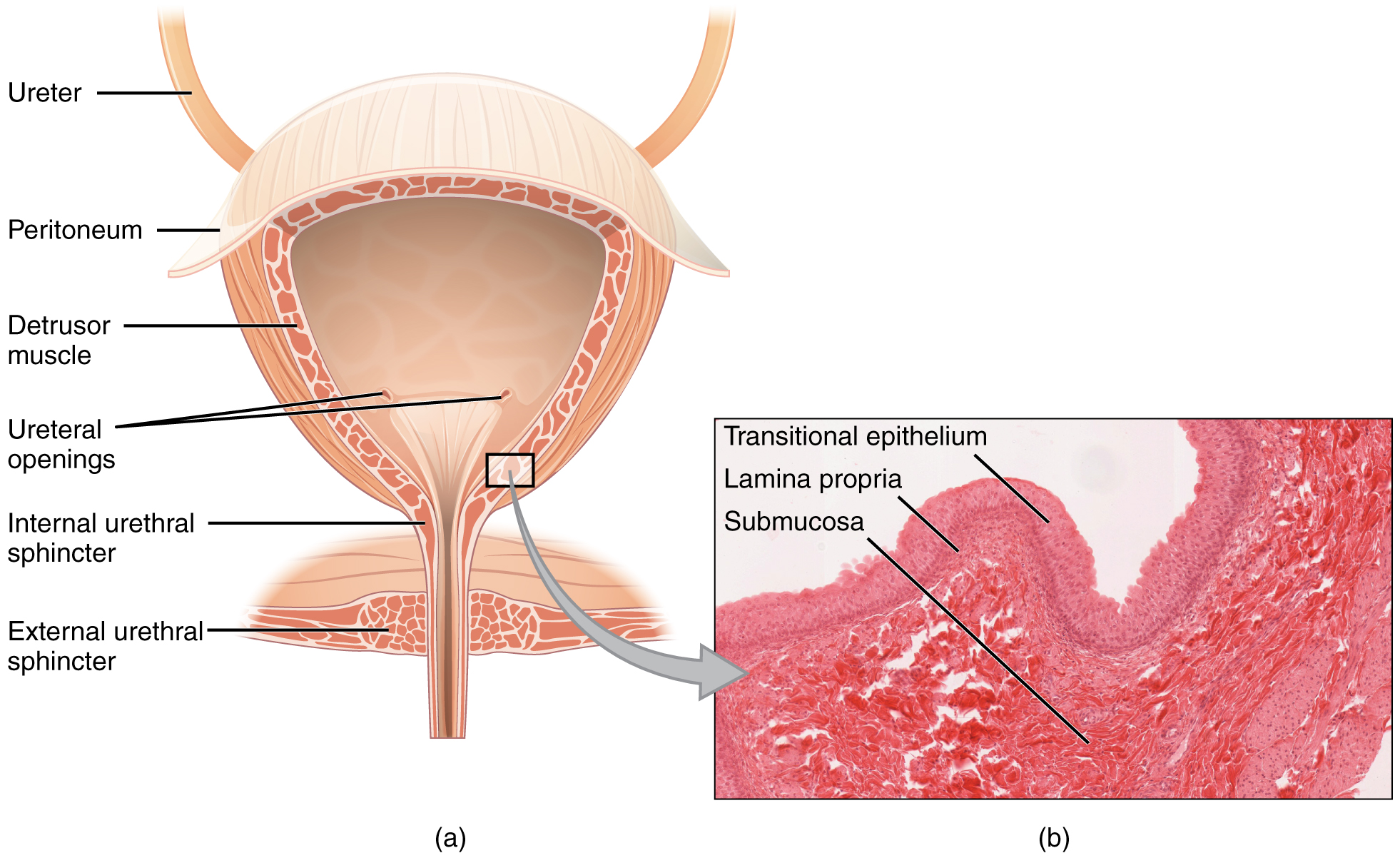
Urinary bladder
Stores urine with a distensible barrier and muscular emptying mechanism.
Identify · Structures · Viva 2 references · 4 viva prompts