 MEDIVEERSETHE PRACTICAL HUB
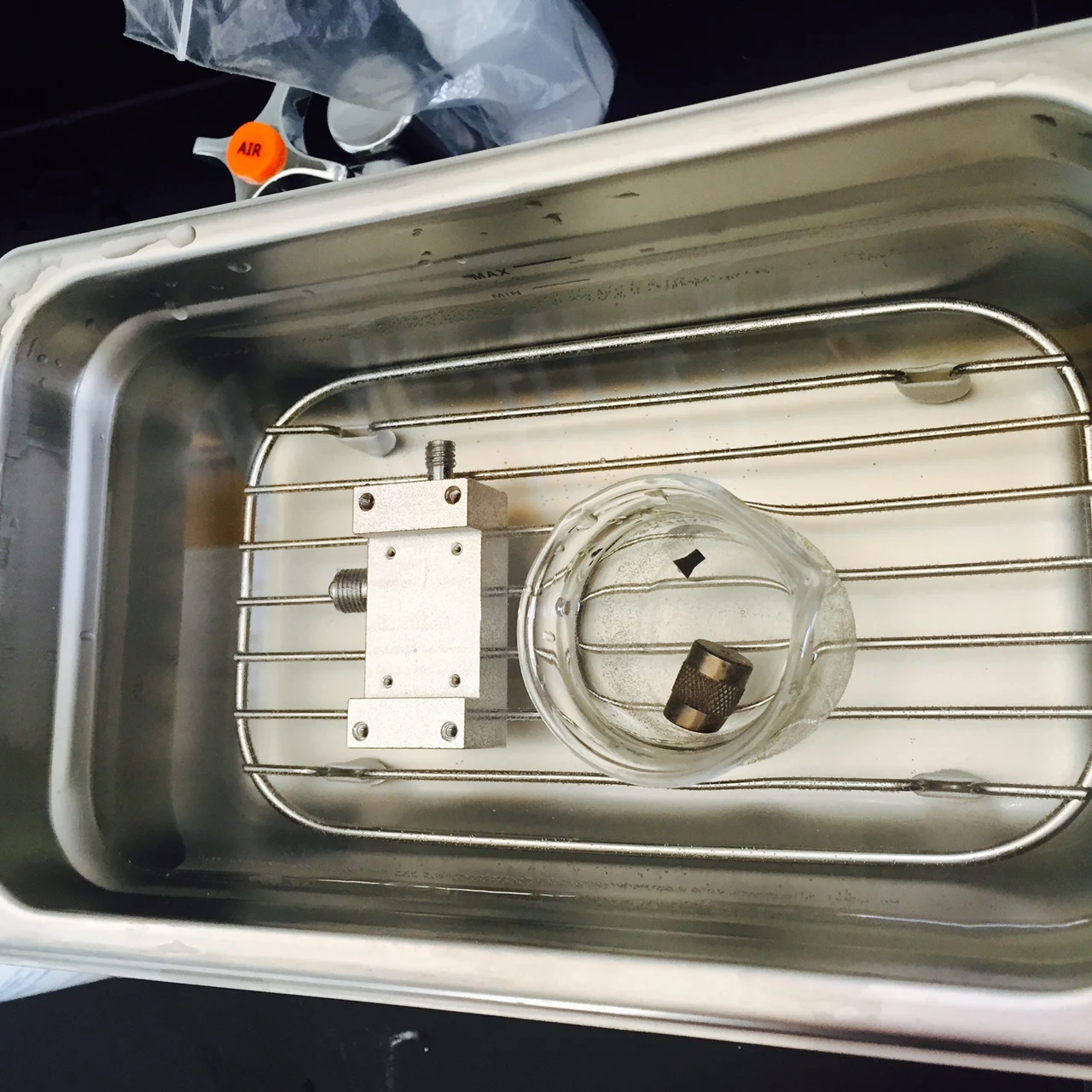
Holds the water that transfers heat to the sample vessel.
Zoom in, then drag to inspect. Keyboard: + / − to zoom, arrows to pan, 0 to reset. Tap the numbered markers to explore parts.
Laboratory water bath — reference view
Image: Mnacke · Source / original · CC BY-SA 4.0Resized and converted to WebP; original colours retained.
Laboratory water bath
Thermostatic bath · constant-temperature bath
What is its use?
Maintains samples at a controlled temperature for suitable biochemical reactions.
Tap a number to locate its part. Zoom, drag or use full screen to inspect the reference. Models and graduations can differ; check the actual apparatus used in your laboratory.
How to recognise it.
- Insulated water reservoir
- Temperature setting or display
- Rack or lid depending on model
A water bath provides moderated heating; a hot plate heats a contact surface and may create larger temperature gradients.
Point them out.
Choose a part to bring its numbered marker into view.
The science behind the reading.
A heater and thermostat regulate the water temperature, and heat transfers to immersed sample vessels.
Think first. Then reveal.
Explain your answer aloud before opening it.
01Why is temperature important for enzymes?+
Reaction rate and enzyme stability depend on temperature; assays require controlled conditions.
02Does the displayed temperature prove the sample has equilibrated?+
No. The bath and sample may require time to reach equilibrium.
03Why monitor the water level?+
Too little water impairs temperature transfer and can damage some baths.
04Is it a steriliser?+
A routine laboratory water bath is not equivalent to a validated sterilisation process.
Read the references.
Teaching and clinical references are listed here. Image attribution and licence appear below the viewer.