 MEDIVEERSETHE PRACTICAL HUB
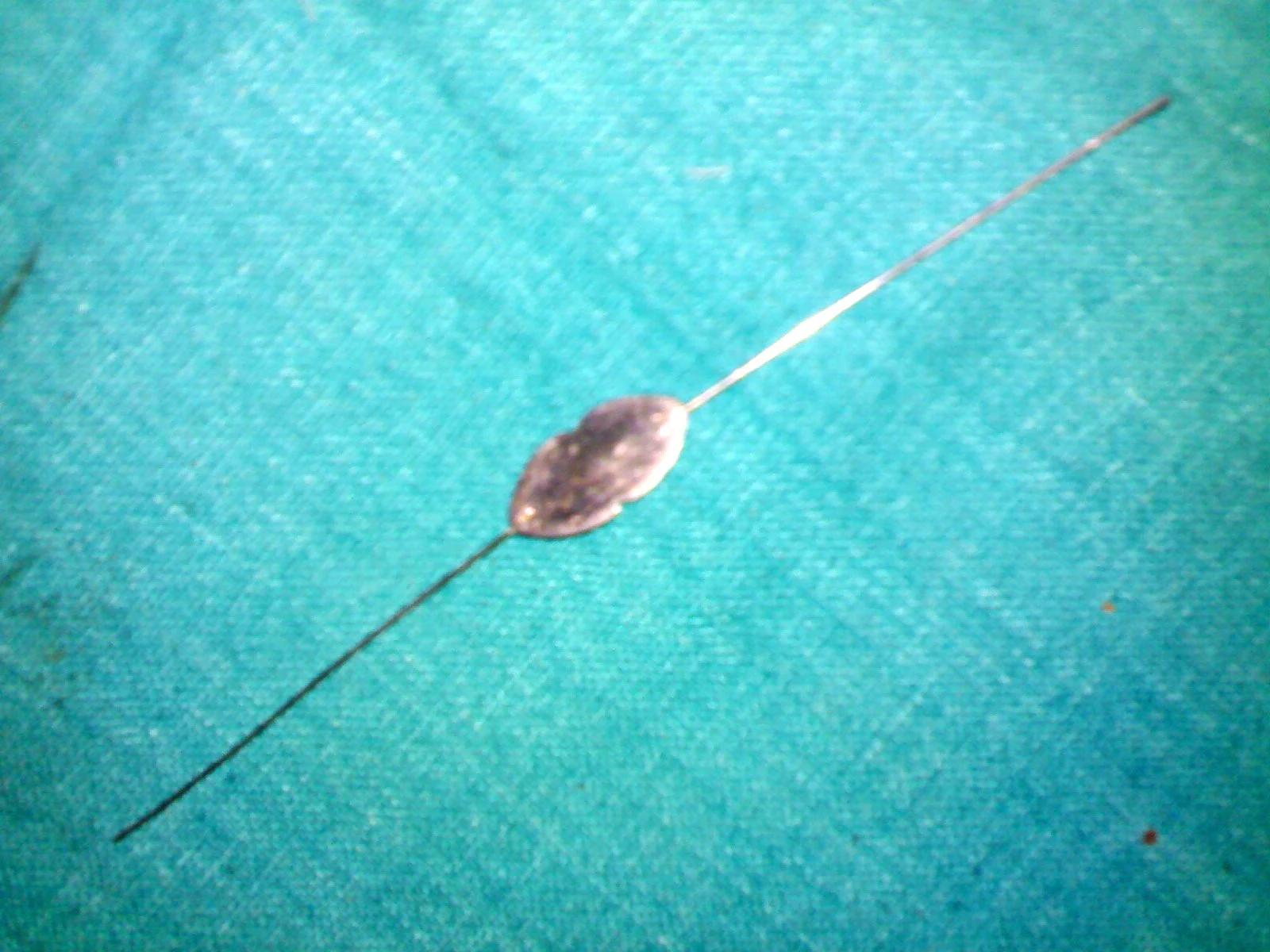
The rounded terminal end enters the intended drainage pathway under appropriate supervision.
Zoom in, then drag to inspect. Keyboard: + / − to zoom, arrows to pan, 0 to reset. Tap the numbered markers to explore parts.
Bowman lacrimal probe — reference view
Image: Sarindam7 · Source / original · CC BY-SA 4.0Resized and converted to WebP; original colours retained.
Bowman lacrimal probe
Bowman probe · lacrimal probing
What is its use?
Assesses or traverses parts of the lacrimal drainage pathway in appropriately selected, supervised care.
Tap a number to locate its part. Zoom, drag or use full screen to inspect the reference. Models and graduations can differ; check the actual instrument used in your practical class or clinical posting.
How to recognise it.
- Slender smooth probe
- Blunt rounded ends
- Commonly double-ended with a central grip
A probe is solid; an irrigation cannula is hollow and carries fluid.
Point them out.
Choose a part to bring its numbered marker into view.
How it works.
A smooth probe provides mechanical passage and tactile information; interpretation depends on anatomy and technique.
Think first. Then reveal.
Explain your answer aloud before opening it.
01Is it hollow like a cannula?+
No. A standard Bowman probe is a solid instrument.
02Why is the tip rounded?+
To limit sharp cutting trauma during the intended use; force can still cause injury.
03What does lacrimal drainage connect?+
Tears drain via puncta and canaliculi to the lacrimal sac and nasolacrimal duct.
04Why must resistance not simply be forced?+
Force can create a false passage or damage the drainage system.
Read the references.
Teaching and clinical references are listed here. Image attribution and licence appear below the viewer.