 MEDIVEERSETHE PRACTICAL HUB
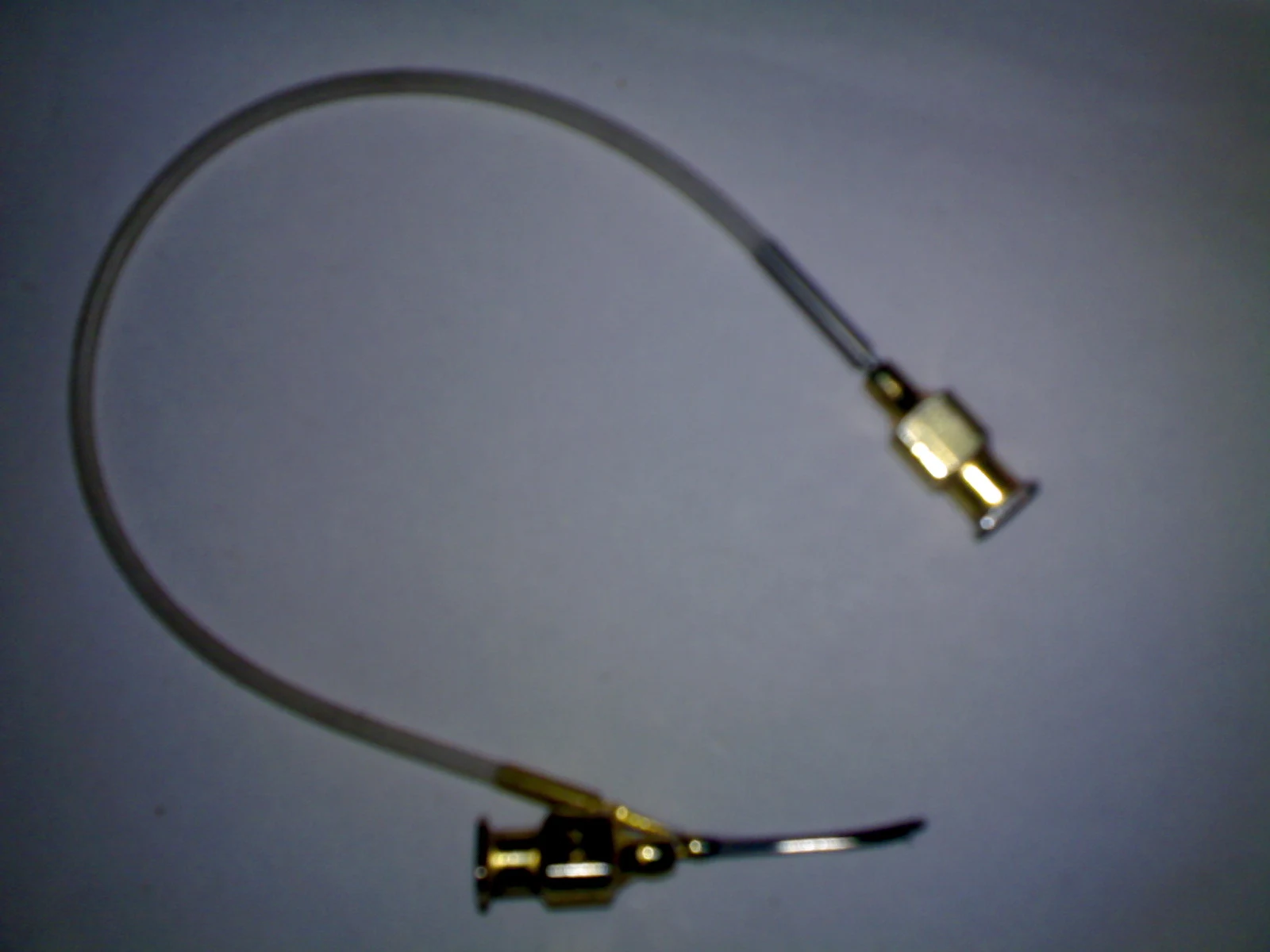
The fine distal metal working end provides the intended fluid exchange at the operative site.
Zoom in, then drag to inspect. Keyboard: + / − to zoom, arrows to pan, 0 to reset. Tap the numbered markers to explore parts.
Irrigation–aspiration cannula — reference view
Image: Sarindam7 · Source / original · CC BY-SA 3.0Resized and converted to WebP; original colours retained.
Irrigation–aspiration cannula
I/A cannula · two-way cannula
What is its use?
Provides controlled fluid exchange and removal of selected material during ophthalmic surgery.
Tap a number to locate its part. Zoom, drag or use full screen to inspect the reference. Models and graduations can differ; check the actual instrument used in your practical class or clinical posting.
How to recognise it.
- Fine tubular working end
- Irrigation and aspiration connections
- Ports vary with design
A simple irrigation cannula mainly delivers fluid; an I/A system combines delivery with suction.
Point them out.
Choose a part to bring its numbered marker into view.
How it works.
Separate fluid pathways permit inflow and aspiration while maintaining appropriate chamber conditions.
Think first. Then reveal.
Explain your answer aloud before opening it.
01What does I/A mean?+
Irrigation and aspiration.
02Why does fluid balance matter?+
Uncontrolled inflow or outflow can destabilise the anterior chamber.
03Are all ports arranged the same way?+
No. Coaxial, bimanual and other designs have different configurations.
04Is it used to cut the incision?+
No. It is a fluid-management instrument, not an entry blade.
Read the references.
Teaching and clinical references are listed here. Image attribution and licence appear below the viewer.