 MEDIVEERSETHE PRACTICAL HUB
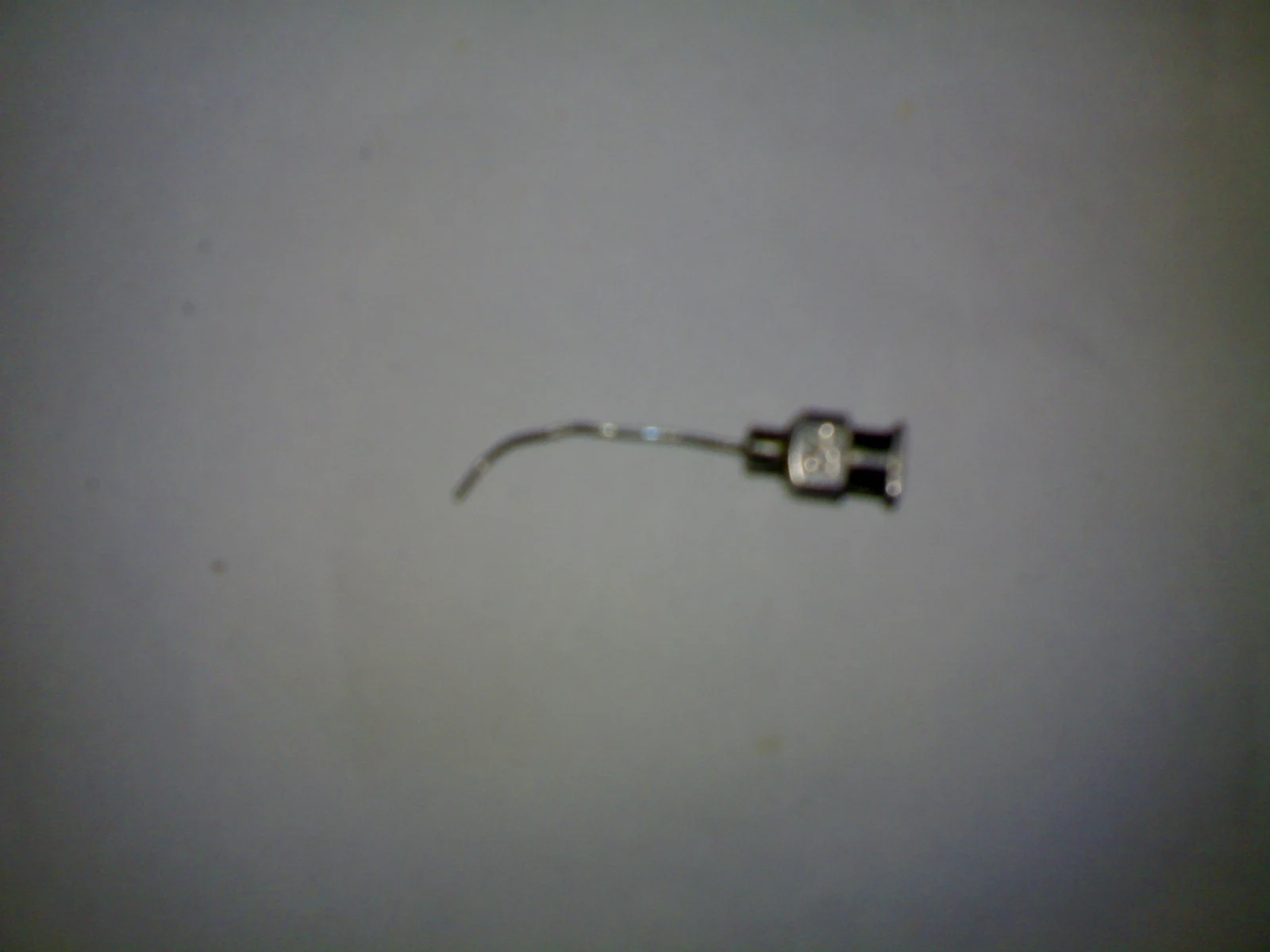
The distal opening of this small irrigation cannula delivers fluid into the intended pathway.
Zoom in, then drag to inspect. Keyboard: + / − to zoom, arrows to pan, 0 to reset. Tap the numbered markers to explore parts.
Lacrimal irrigation cannula — reference view
Image: Sarindam7 · Source / original · CC BY-SA 3.0Resized and converted to WebP; original colours retained.
Lacrimal irrigation cannula
Lacrimal cannula · syringing cannula
What is its use?
Introduces fluid for lacrimal irrigation in an appropriate clinical assessment.
Tap a number to locate its part. Zoom, drag or use full screen to inspect the reference. Models and graduations can differ; check the actual instrument used in your practical class or clinical posting.
How to recognise it.
- Fine hollow tube
- Blunt or designed atraumatic distal end
- Hub for connection to a syringe
It is hollow for fluid delivery; a Bowman probe is solid.
Point them out.
Choose a part to bring its numbered marker into view.
How it works.
Fluid passage and reflux patterns provide information about drainage patency when interpreted by a trained examiner.
Think first. Then reveal.
Explain your answer aloud before opening it.
01What identifies it as a cannula?+
A lumen connects the distal opening to a syringe attachment hub.
02What is reflux?+
Fluid returning through a punctal opening instead of following the expected drainage route.
03Can reflux alone locate every obstruction precisely?+
No. It must be interpreted with the examination and the particular test conditions.
04Why is sterile, gentle technique needed?+
The instrument contacts a delicate drainage pathway; contamination or pressure can cause harm.
Read the references.
Teaching and clinical references are listed here. Image attribution and licence appear below the viewer.