 MEDIVEERSETHE PRACTICAL HUB
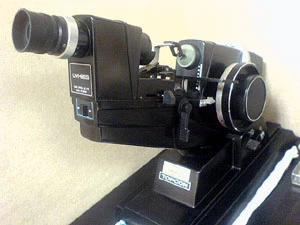
The examiner views the instrument’s optical target through this eyepiece.
Zoom in, then drag to inspect. Keyboard: + / − to zoom, arrows to pan, 0 to reset. Tap the numbered markers to explore parts.
Lensmeter — reference view
Image: Pawdugan · Source / original · Public domainResized and converted to WebP; original colours retained.
Lensmeter
Lensometer · focimeter
What is its use?
Measures spectacle-lens power, cylinder axis and related optical properties.
Tap a number to locate its part. Zoom, drag or use full screen to inspect the reference. Models and graduations can differ; check the actual instrument used in your practical class or clinical posting.
How to recognise it.
- Optical eyepiece or display
- Spectacle lens support and holder
- Power and axis controls
A lensmeter measures a spectacle lens; it does not directly measure the patient’s refractive error.
Point them out.
Choose a part to bring its numbered marker into view.
How it works.
The lens is assessed against a calibrated optical target or automated sensing system.
Think first. Then reveal.
Explain your answer aloud before opening it.
01What can it verify?+
Spherical power, cylindrical power and axis; many instruments also assess prism and mark optical centres.
02Why distinguish plus-cylinder and minus-cylinder notation?+
Equivalent prescriptions can use different cylinder forms; values must be transposed consistently when comparing them.
03Does it measure visual acuity?+
No. Acuity requires a visual task such as a calibrated chart.
04Why align the lens correctly?+
Off-centre measurement can introduce prism and alter interpretation.
Read the references.
Teaching and clinical references are listed here. Image attribution and licence appear below the viewer.