 MEDIVEERSETHE PRACTICAL HUB
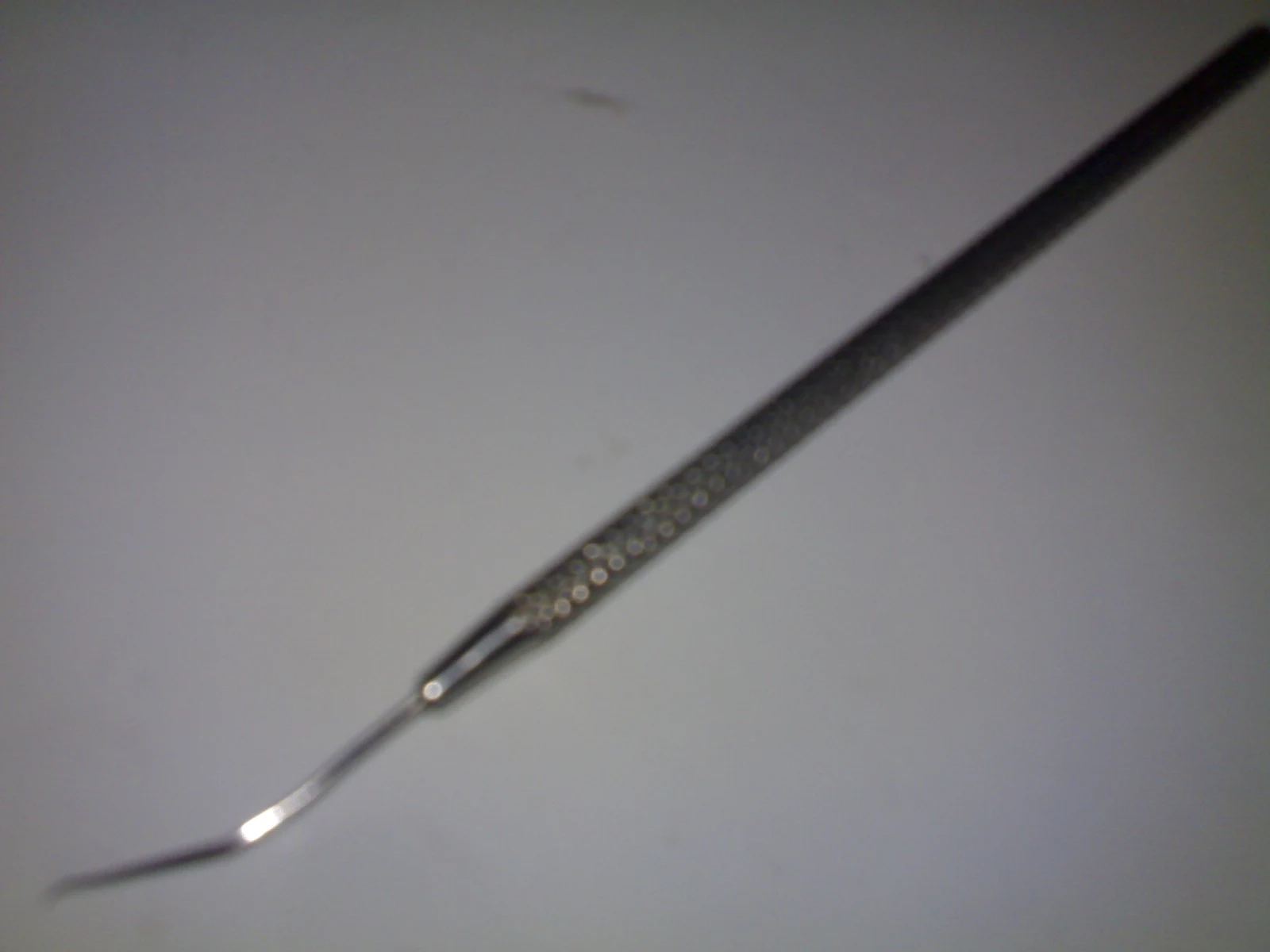
The small bent working end provides controlled contact with the intended implant or structure.
Zoom in, then drag to inspect. Keyboard: + / − to zoom, arrows to pan, 0 to reset. Tap the numbered markers to explore parts.
Sinskey IOL hook — reference view
Image: Sarindam7 · Source / original · CC BY-SA 3.0Resized and converted to WebP; original colours retained.
Sinskey IOL hook
Sinskey hook · IOL dialler
What is its use?
Manipulates an intraocular lens or its haptics during selected cataract procedures.
Tap a number to locate its part. Zoom, drag or use full screen to inspect the reference. Models and graduations can differ; check the actual instrument used in your practical class or clinical posting.
How to recognise it.
- Slender shaft
- Small angled hook at the working end
- Fine hand grip
It is an IOL manipulator, not a sharp keratome or a grasping forceps.
Point them out.
Choose a part to bring its numbered marker into view.
How it works.
The small hook applies controlled local contact to position appropriate structures.
Think first. Then reveal.
Explain your answer aloud before opening it.
01What does IOL stand for?+
Intraocular lens.
02What is a haptic?+
A supporting element that helps stabilise an intraocular lens.
03Why is the hook small?+
It permits fine contact and manipulation within the small operative field.
04Does the name determine every safe use?+
No. Tip geometry, implant design and the surgeon’s technique determine appropriate use.
Read the references.
Teaching and clinical references are listed here. Image attribution and licence appear below the viewer.