 MEDIVEERSETHE PRACTICAL HUB
See the instrument.
Focus on the detail.
From the trial frame to the slit lamp. Learn what each instrument does, identify its parts and practise explaining the science behind it.
Back to Practical Hub9 instruments to explore
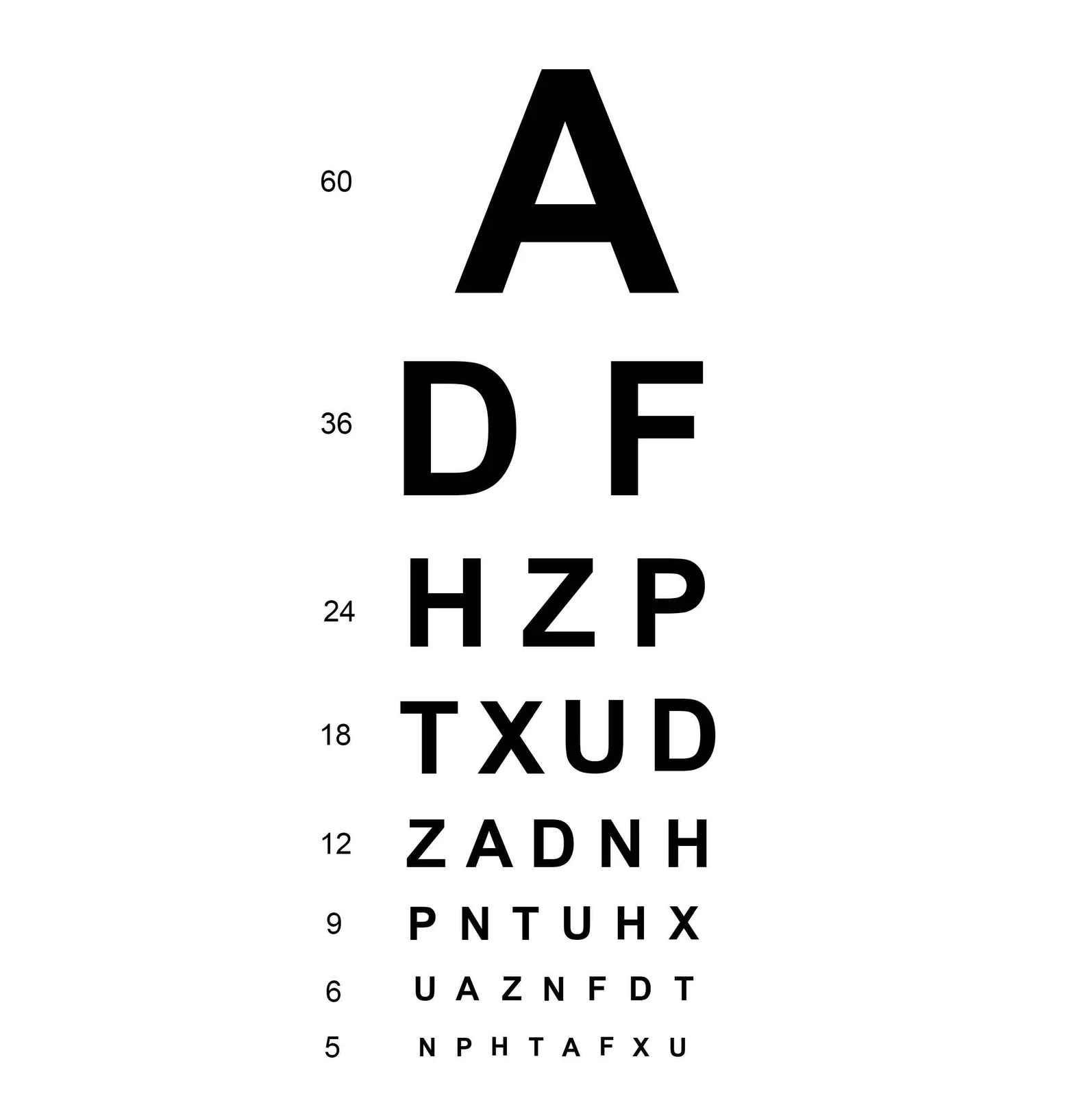
Snellen visual-acuity chart
Assesses distance visual acuity under standardised viewing conditions.
Identify · Locate · Practise 4 viva questions · Zoomable reference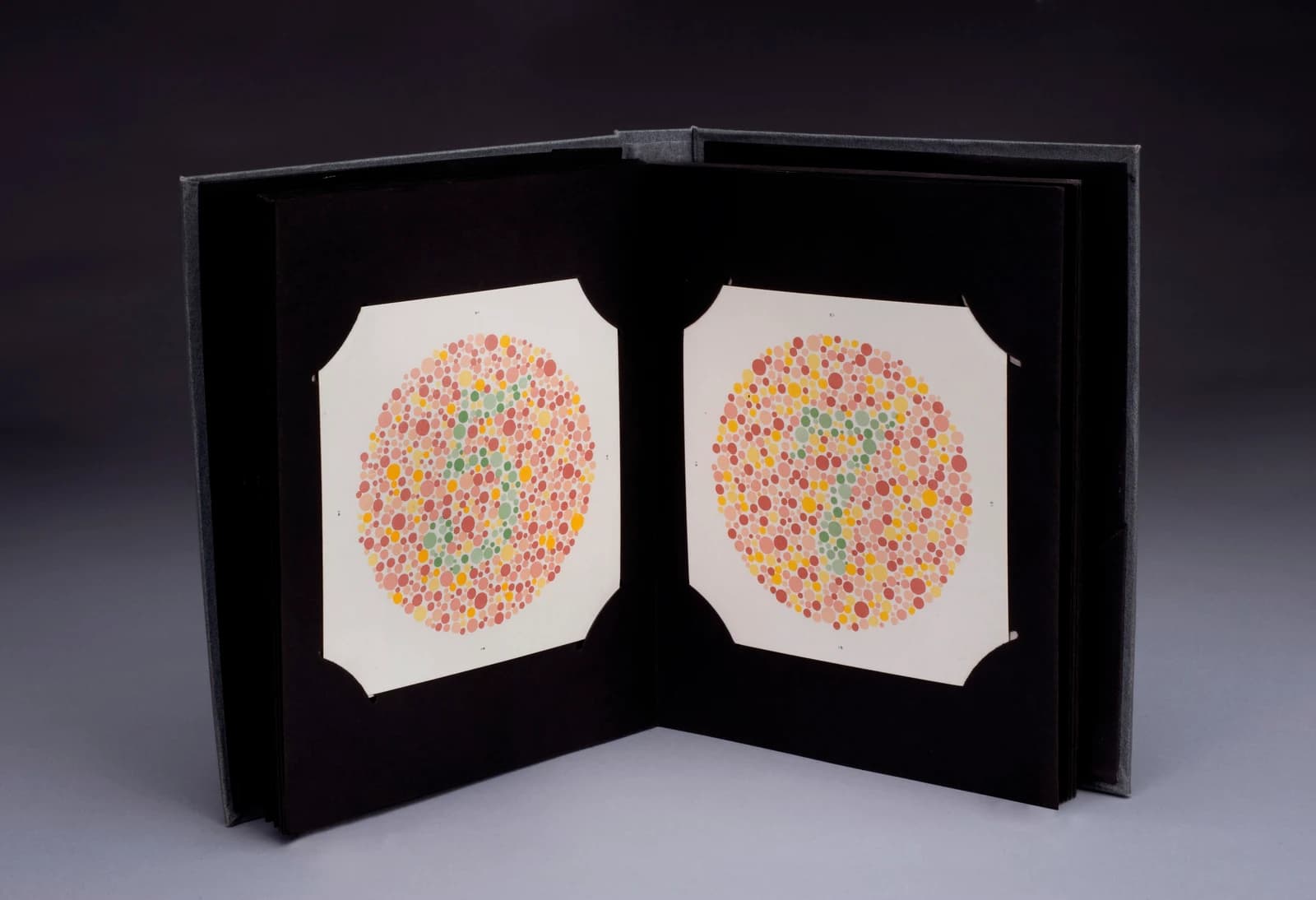
Ishihara colour-vision plates
Screens principally for red–green colour-vision deficiency.
Identify · Locate · Practise 4 viva questions · Zoomable reference
Visual-field perimeter
Maps the extent and sensitivity of the visual field.
Identify · Locate · Practise 4 viva questions · Zoomable reference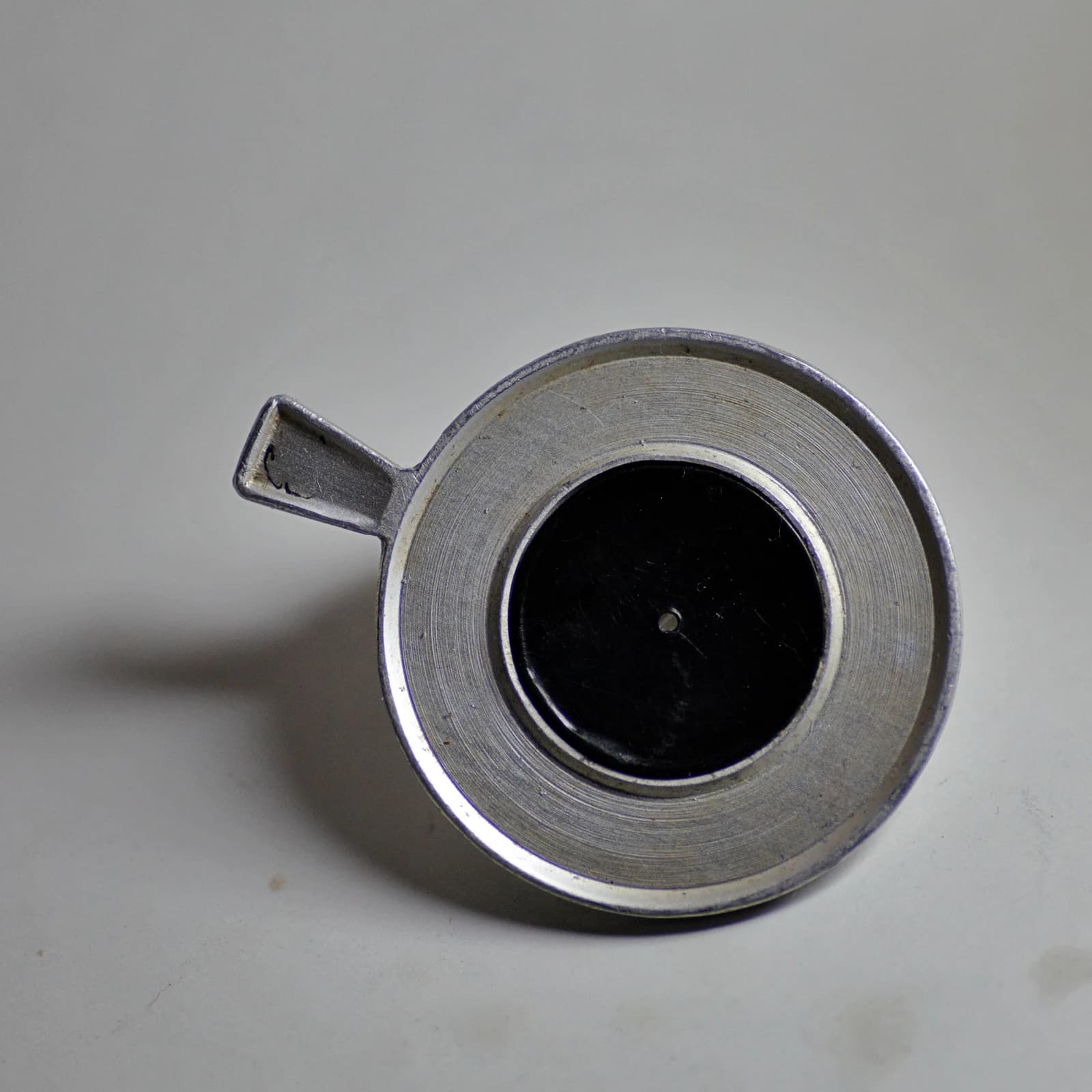
Pinhole occluder
Helps assess whether an optical refractive component may contribute to reduced visual acuity.
Identify · Locate · Practise 4 viva questions · Zoomable reference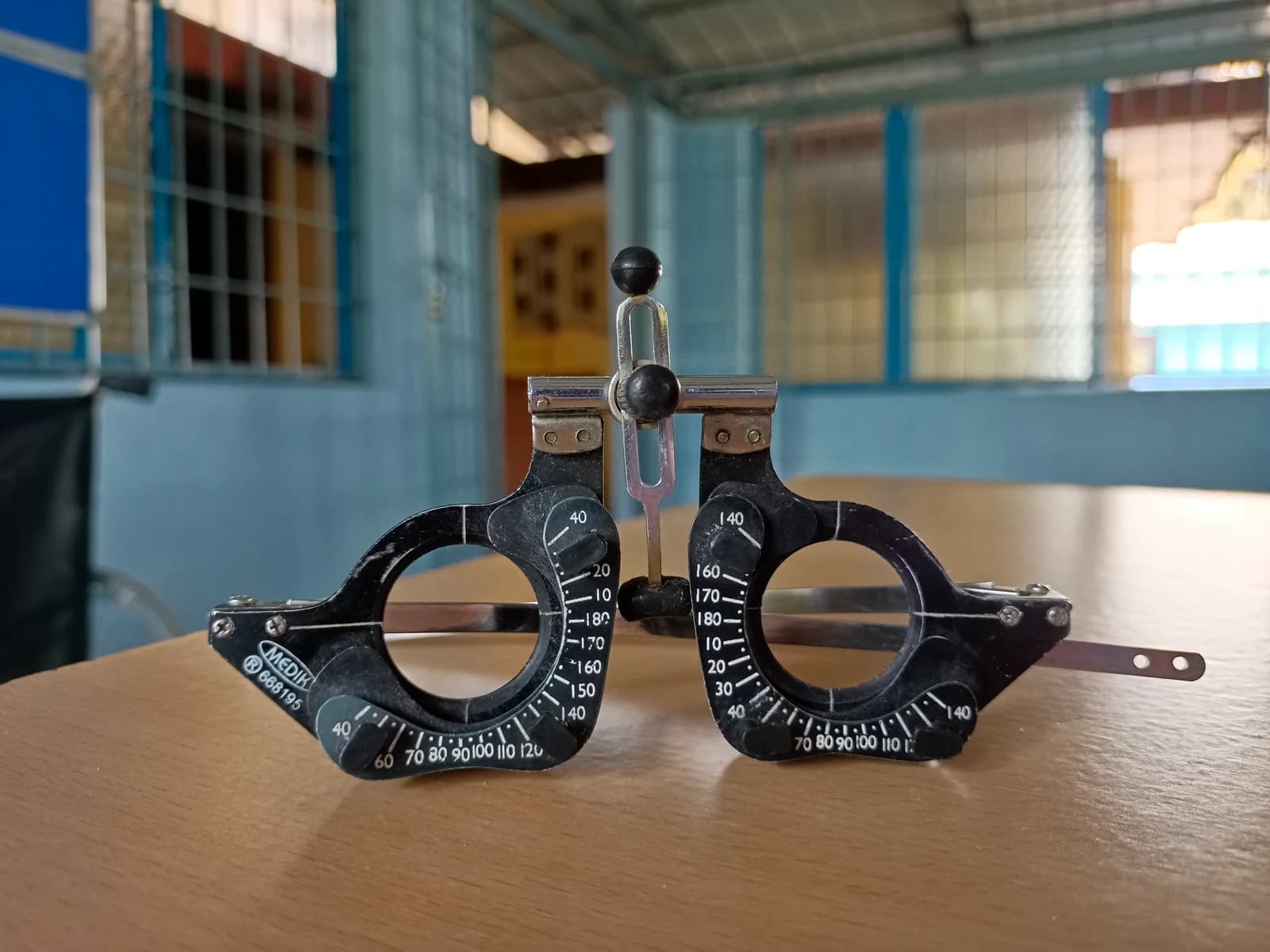
Ophthalmic trial frame
Holds trial lenses in front of the eyes during refraction and selected binocular-vision tests.
Identify · Locate · Practise 4 viva questions · Zoomable reference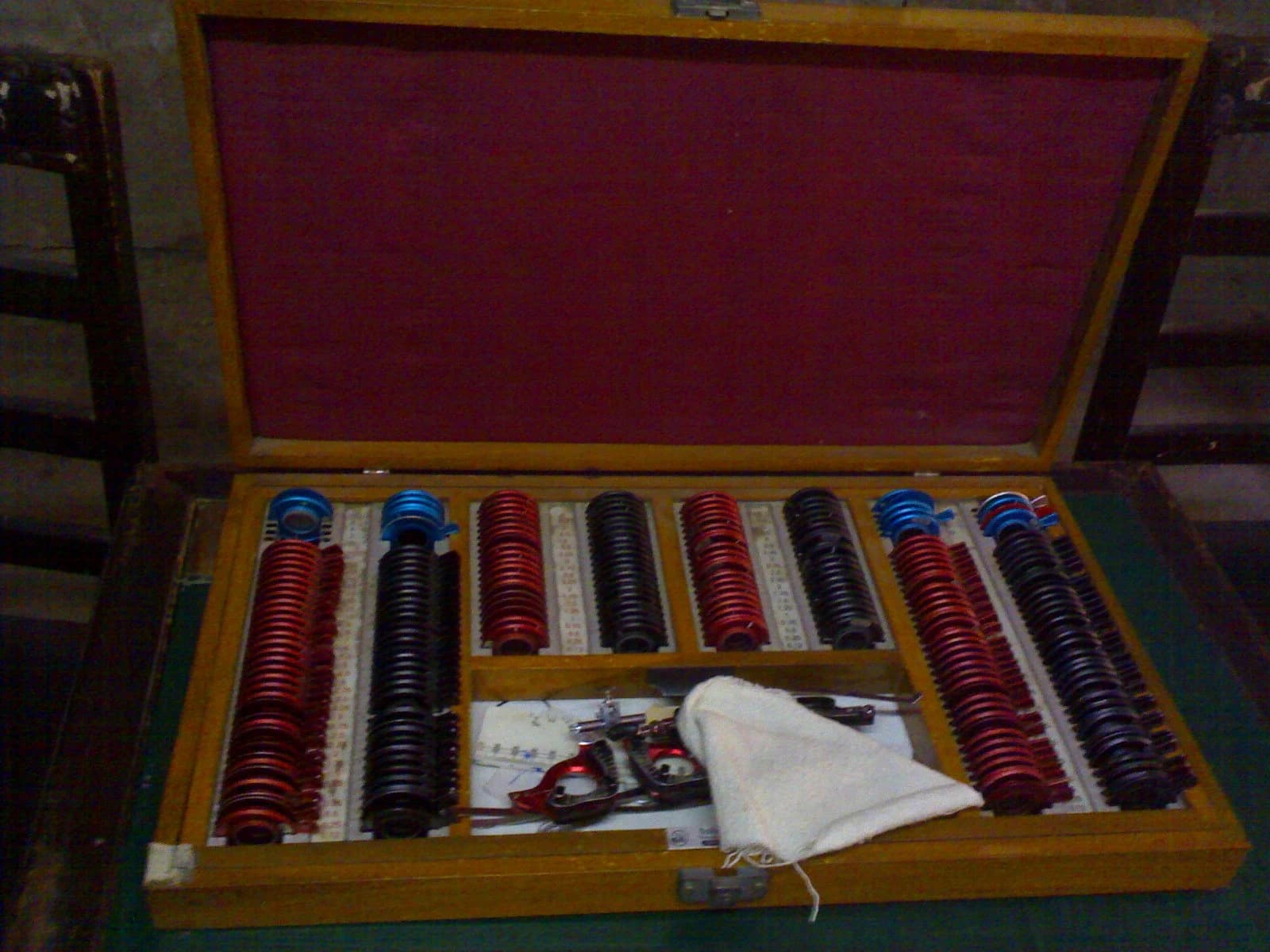
Trial lens set
Provides known optical elements for refraction and visual testing with a trial frame.
Identify · Locate · Practise 4 viva questions · Zoomable reference
Retinoscope
Provides objective assessment of refractive error by observation of the retinal reflex.
Identify · Locate · Practise 4 viva questions · Zoomable reference
Lensmeter
Measures spectacle-lens power, cylinder axis and related optical properties.
Identify · Locate · Practise 4 viva questions · Zoomable reference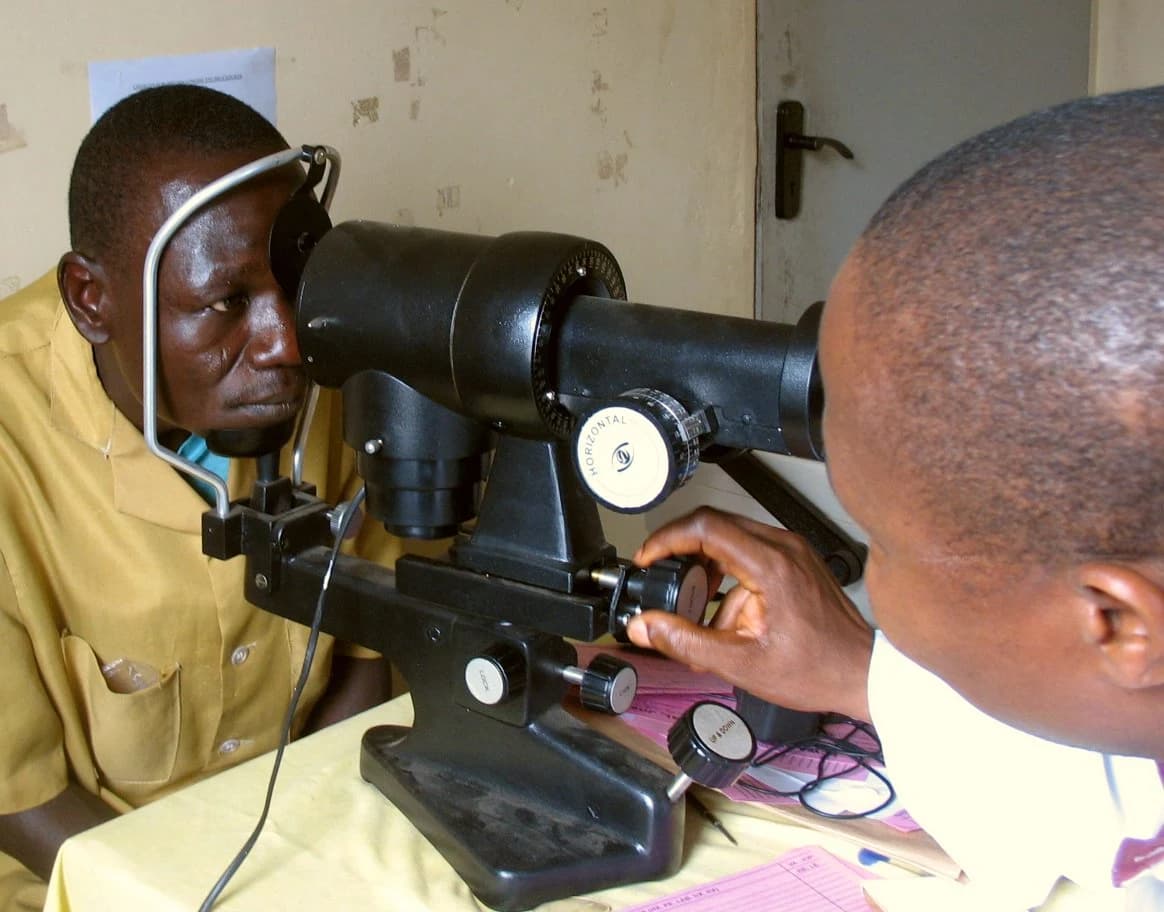
Keratometer
Estimates anterior corneal curvature and corneal astigmatism.
Identify · Locate · Practise 4 viva questions · Zoomable referenceA core MBBS teaching collection, grouped under third year for navigation. Exam timing varies by batch and university. Instrument models and practical lists vary by college. Photographs illustrate specific models; follow your department’s supervised practical programme.