 MEDIVEERSETHE PRACTICAL HUB
Embryology
Identify. Understand. Recall.
Early development, germ layers, folding and placenta.
Your practical collection.
25 topics · Open a card to study its reference images and viva.
Choose a region. Find your spotter.
25 lessons with anatomical references, identification clues and viva answers.
01Early development7
Browse this group →02Fertilization & implantation3
Browse this group →03Membranes & placenta5
Browse this group →04Germ layers & body plan3
Browse this group →05Neural & axial development4
Browse this group →06Fetal circulation & transition2
Browse this group →
Cleavage & blastocyst
Establishes the early conceptus before implantation.
Identify · Structures · Viva 1 reference · 2 viva prompts
Implantation
Anchors the conceptus and establishes early maternal support.
Identify · Structures · Viva 1 reference · 2 viva prompts
Bilaminar embryonic disc
Establishes the arrangement preceding gastrulation.
Identify · Structures · Viva 1 reference · 2 viva prompts
Gastrulation & germ layers
Creates the trilaminar disc from which tissues and organs develop.
Identify · Structures · Viva 1 reference · 2 viva prompts
Neurulation
Establishes the primordium of the central nervous system.
Identify · Structures · Viva 1 reference · 2 viva prompts
Embryonic folding
Establishes the body form and positions developing organ systems.
Identify · Structures · Viva 1 reference · 2 viva prompts
Placenta & maternal–fetal interface
Supports exchange and endocrine functions during pregnancy.
Identify · Structures · Viva 1 reference · 2 viva prompts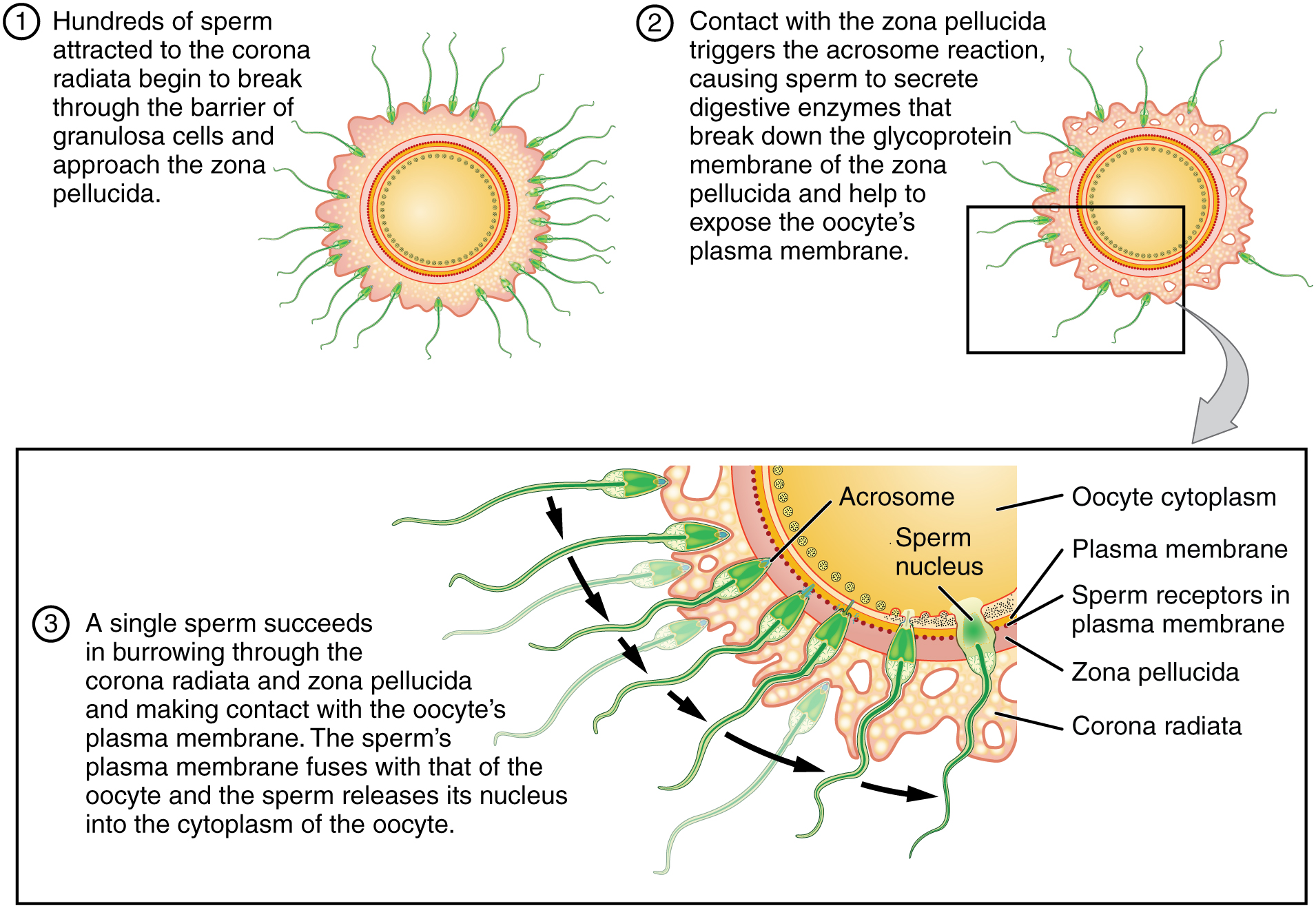
Fertilization
Restores the diploid chromosome complement and initiates embryonic development.
Identify · Structures · Viva 1 reference · 4 viva promptsSperm–oocyte interaction
Coordinated recognition and membrane events allow fertilization and help prevent polyspermy.
Identify · Structures · Viva 1 reference · 4 viva prompts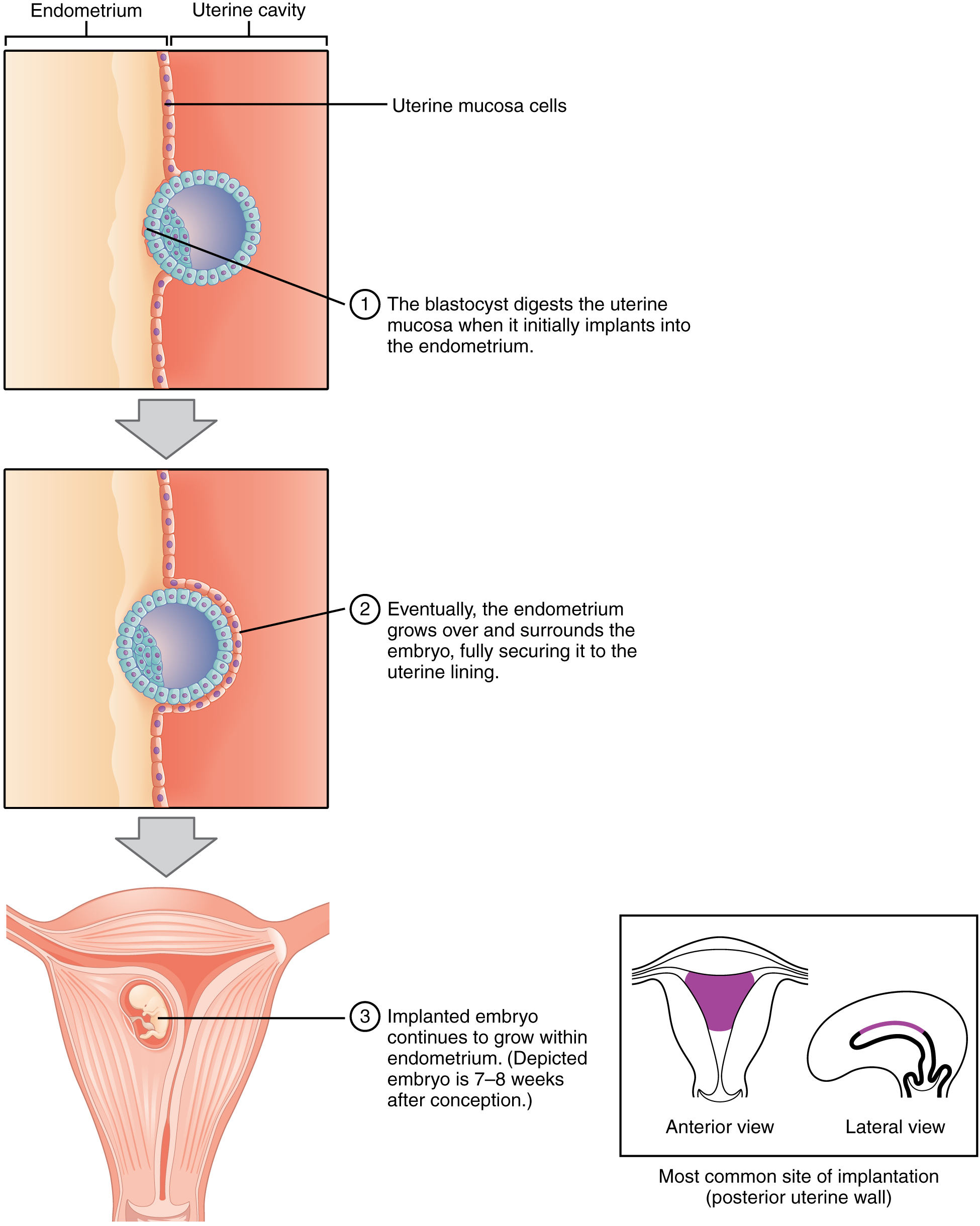
Trophoblast differentiation
Trophoblastic derivatives establish implantation and form important fetal placental components.
Identify · Structures · Viva 2 references · 4 viva prompts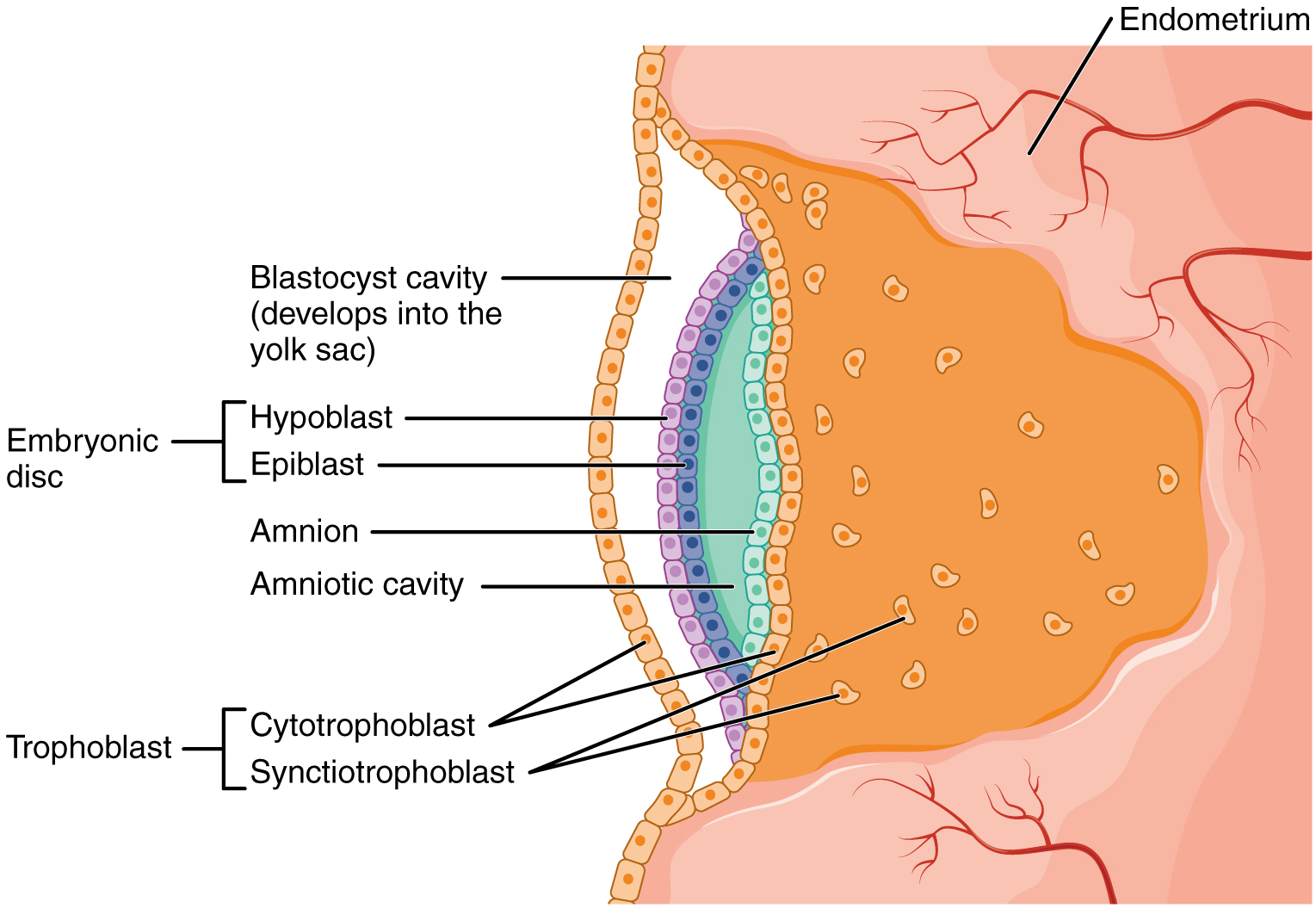
Amniotic cavity
Provides a fluid-filled protective environment that permits movement and development.
Identify · Structures · Viva 2 references · 4 viva promptsYolk sac
Contributes to early nutrient transfer, early haematopoiesis and germ-cell-related developmental pathways.
Identify · Structures · Viva 2 references · 4 viva prompts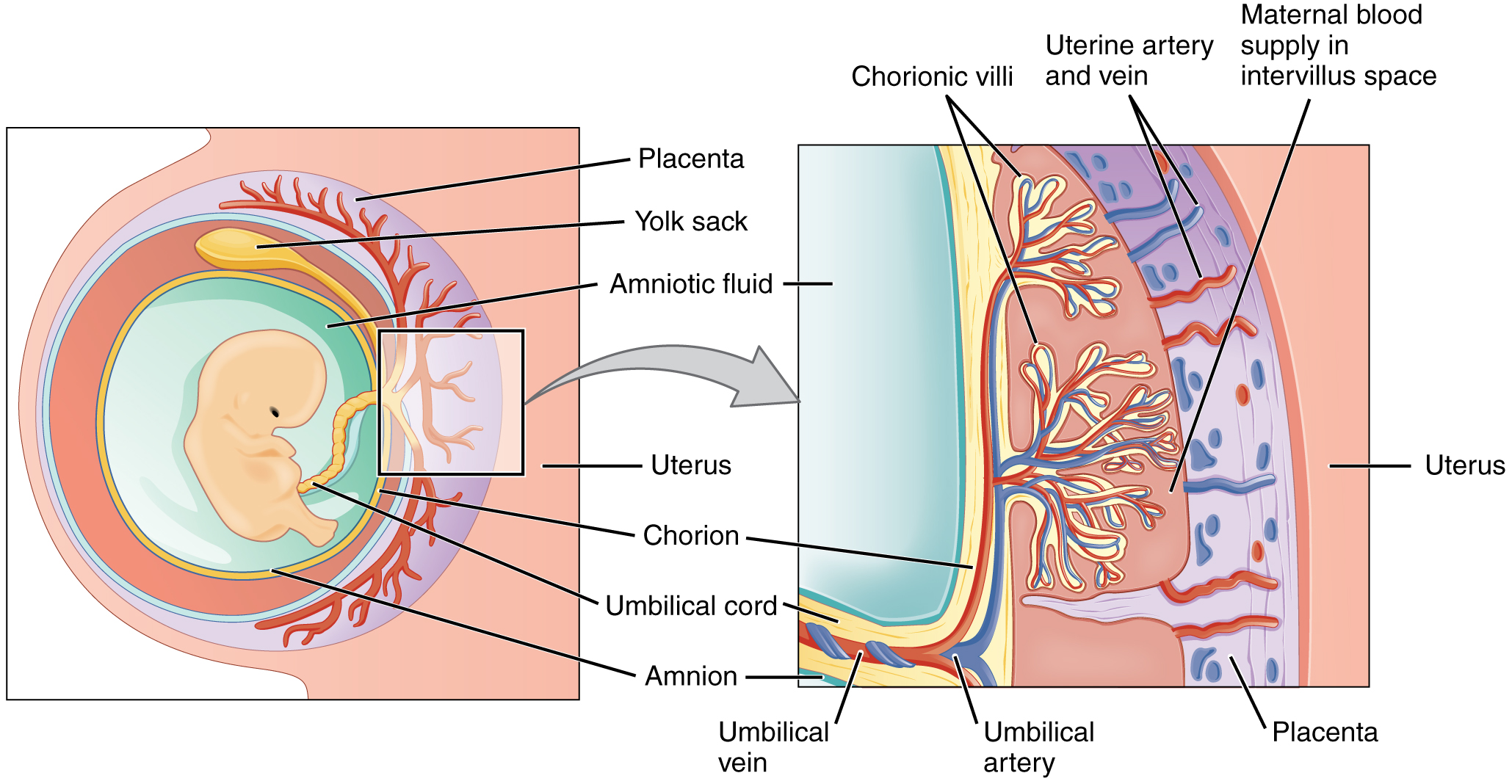
Chorion and chorionic villi
Forms the fetal placental interface and supports exchange through villous architecture.
Identify · Structures · Viva 2 references · 4 viva prompts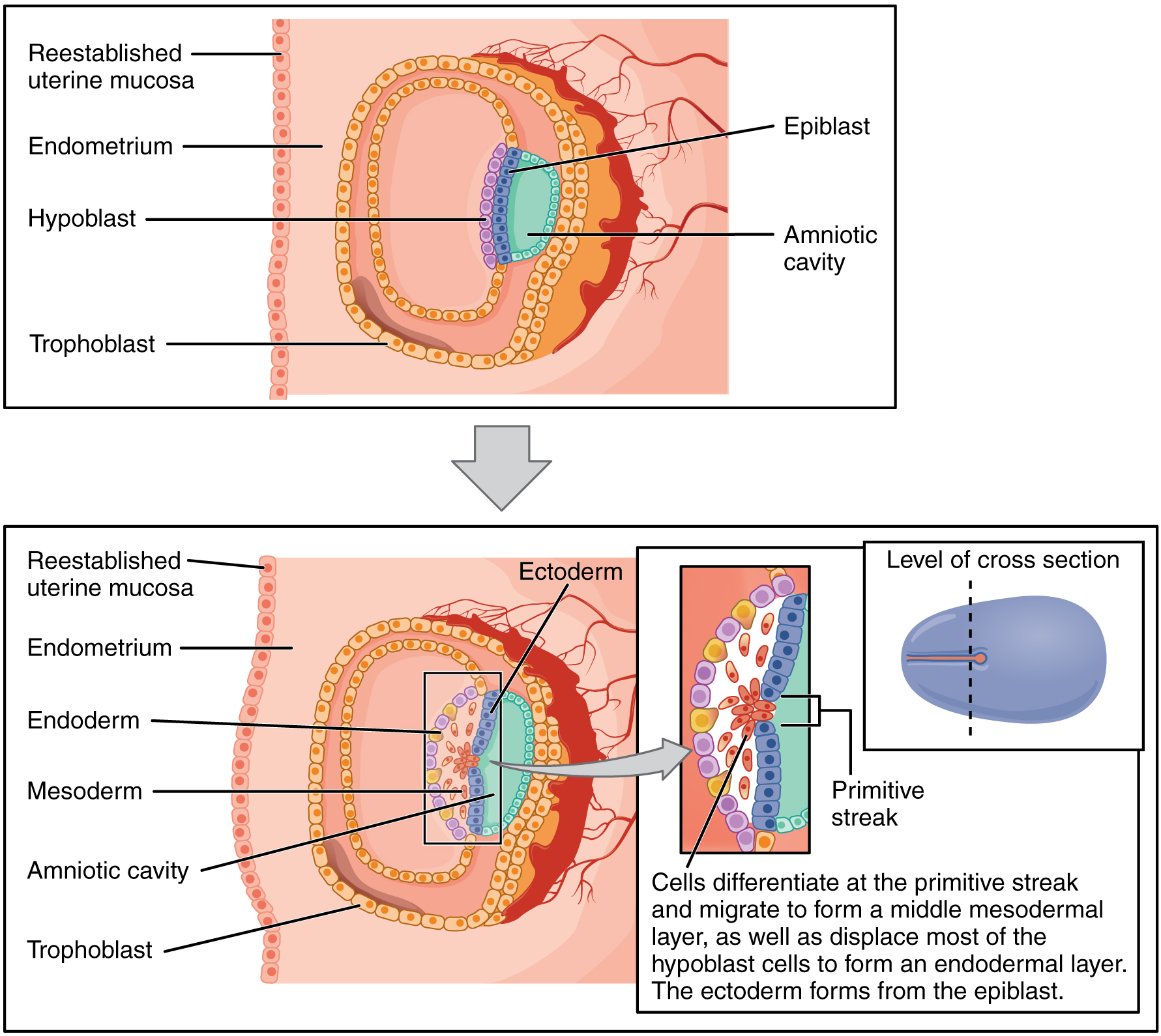
Primitive streak and gastrulation
Gastrulation establishes definitive ectoderm, mesoderm and endoderm and key body axes.
Identify · Structures · Viva 2 references · 4 viva prompts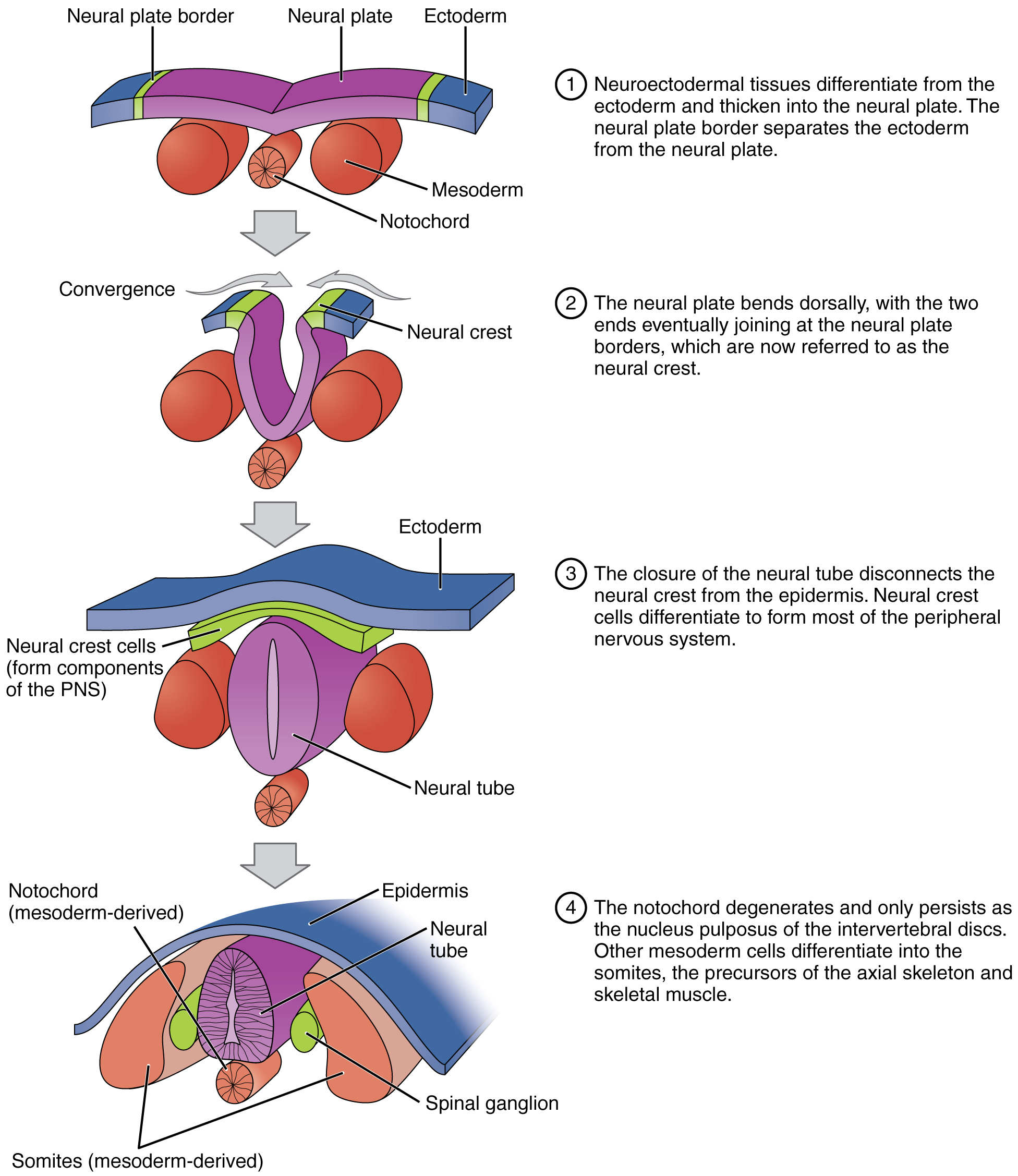
Notochord
Provides axial signalling and contributes to organisation of the developing neural and skeletal axes.
Identify · Structures · Viva 2 references · 4 viva promptsNeural tube closure
Forms the central nervous system through neurulation and later differentiation.
Identify · Structures · Viva 1 reference · 4 viva promptsNeural crest
A migratory cell population contributing peripheral ganglia, Schwann cells, melanocytes and craniofacial tissues.
Identify · Structures · Viva 1 reference · 4 viva promptsSomites
Contribute axial skeleton, skeletal muscle and dermal components in a segmental body plan.
Identify · Structures · Viva 2 references · 4 viva prompts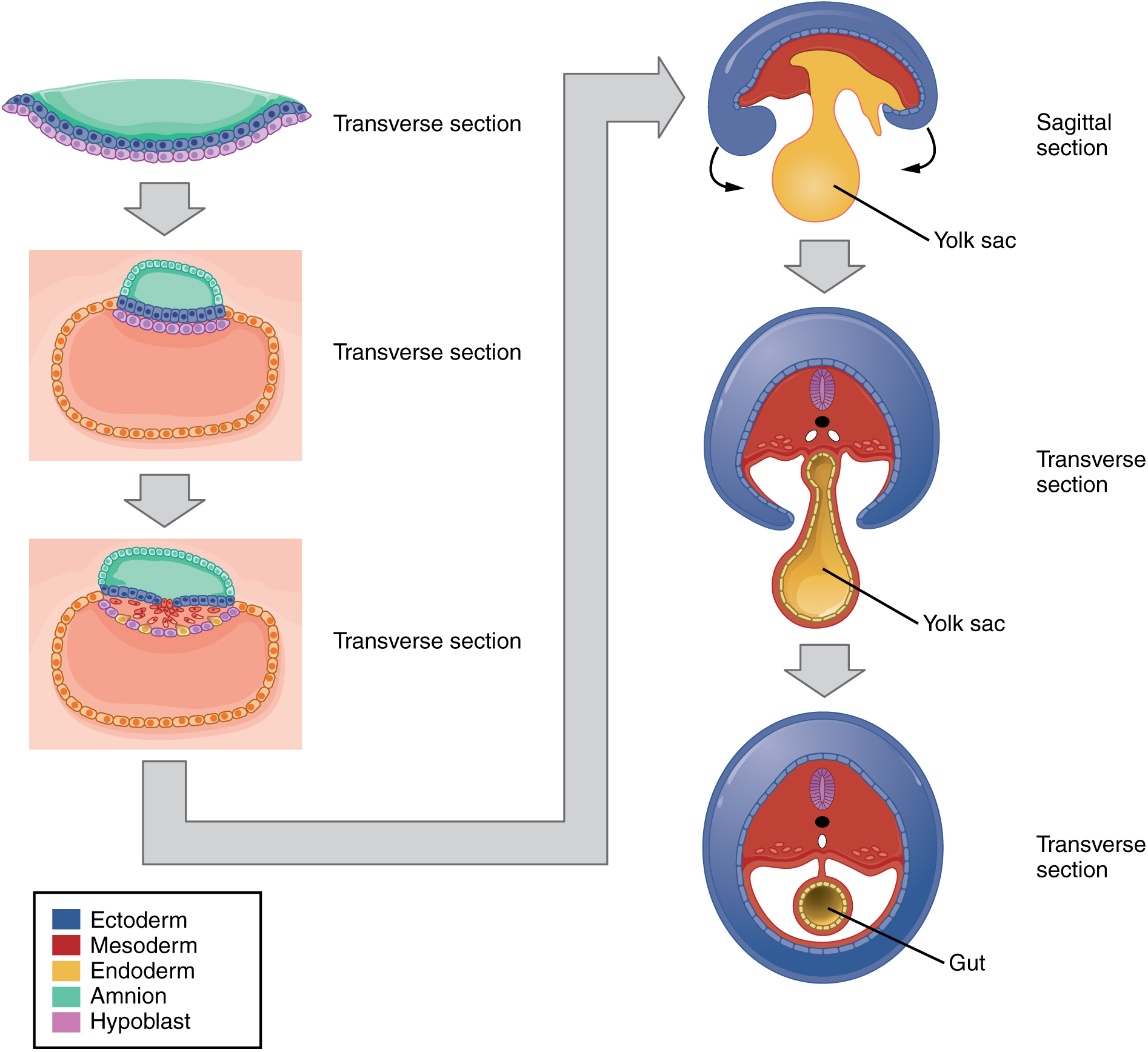
Embryonic body folding
Transforms the relatively flat disc into a three-dimensional body with ventral closure and gut-tube formation.
Identify · Structures · Viva 1 reference · 4 viva promptsUmbilical cord
Carries fetal blood between fetus and placenta with connective-tissue protection of the vessels.
Identify · Structures · Viva 2 references · 4 viva promptsPlacental exchange barrier
Permits regulated maternal–fetal exchange without a normal direct mixing of the two circulations.
Identify · Structures · Viva 1 reference · 4 viva prompts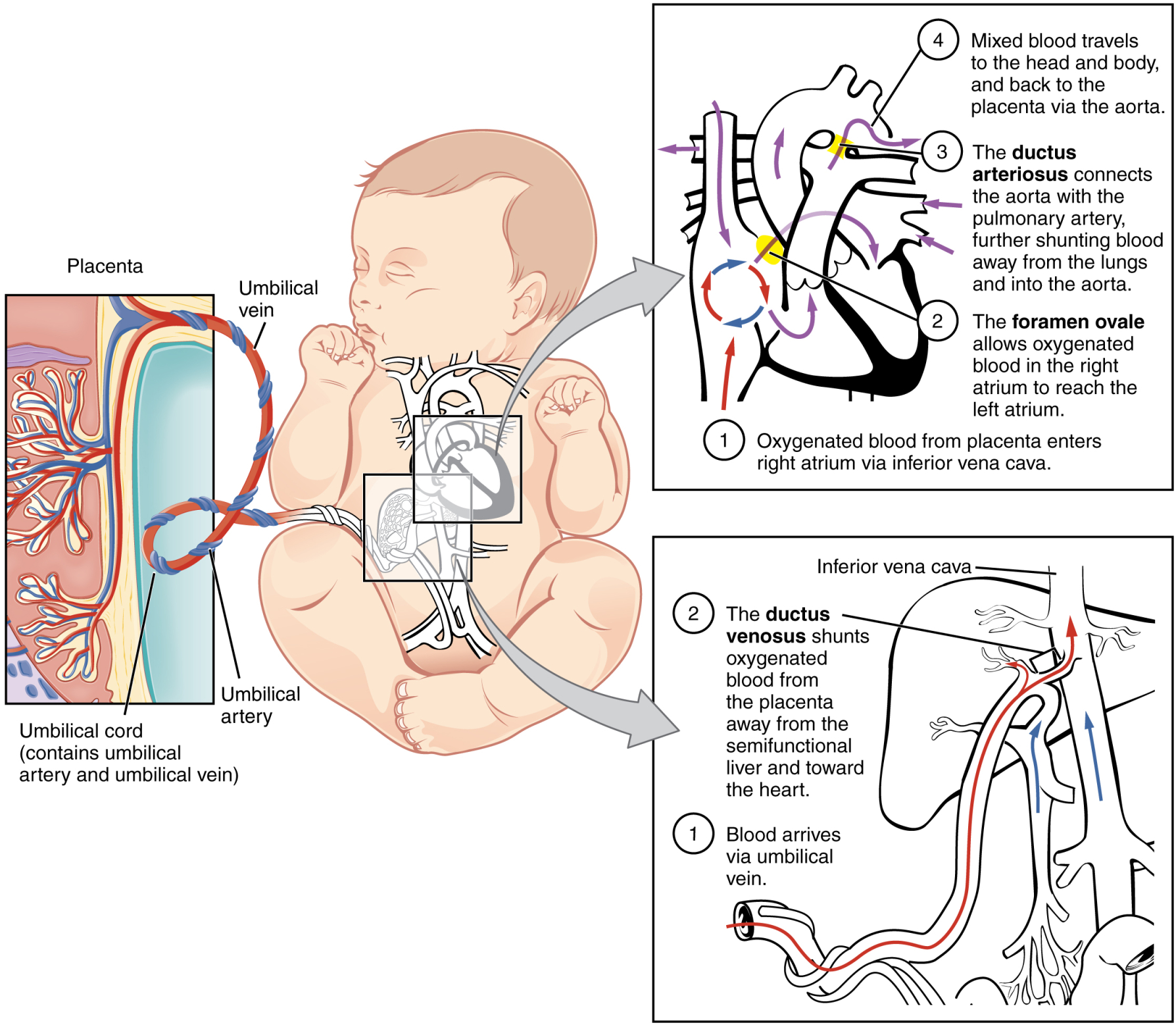
Fetal circulatory shunts
Directs fetal flow around much of the liver and non-ventilated lungs.
Identify · Structures · Viva 1 reference · 4 viva prompts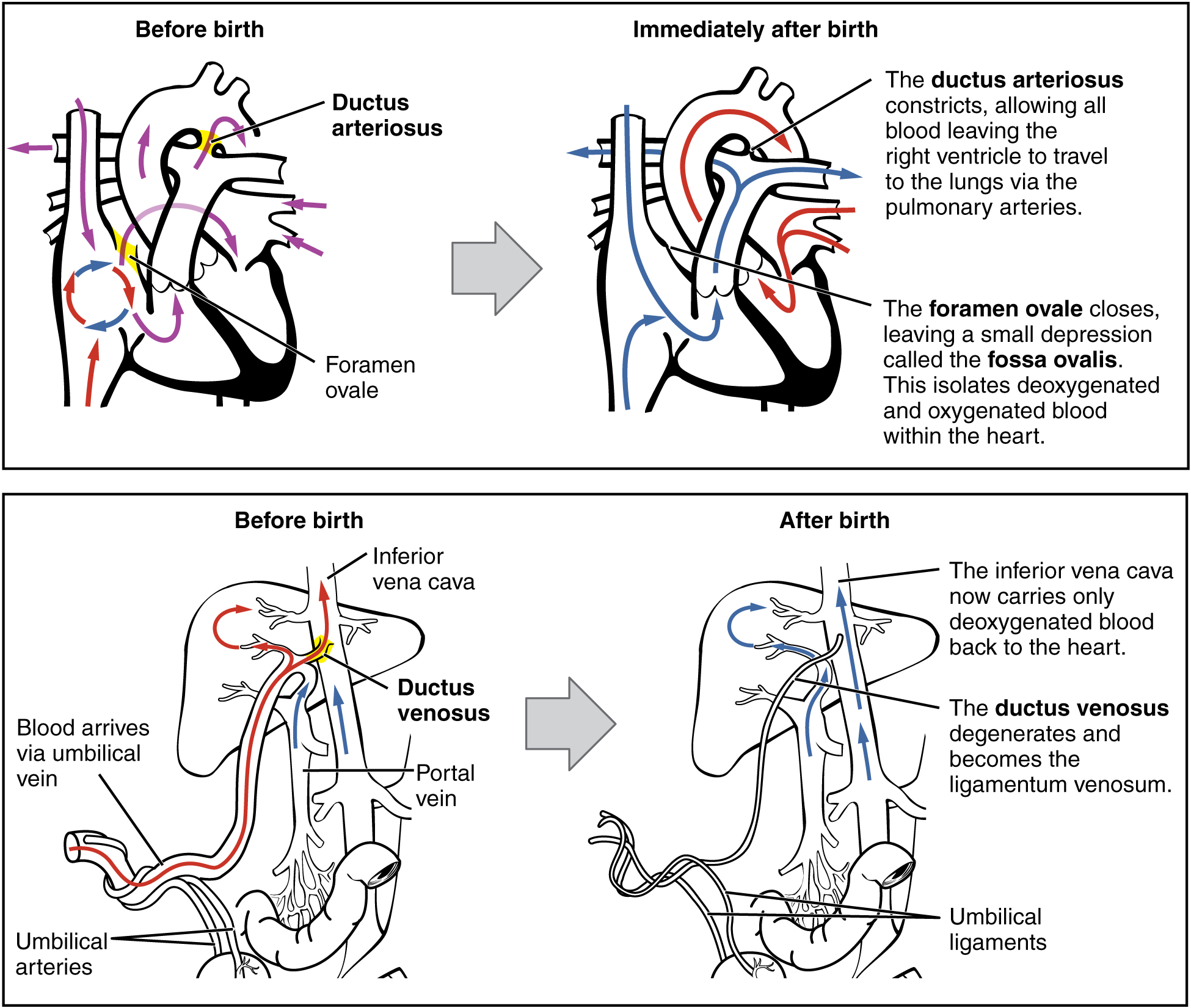
Circulatory transition at birth
Reorganises fetal circulation into separated pulmonary and systemic circuits after birth.
Identify · Structures · Viva 2 references · 4 viva prompts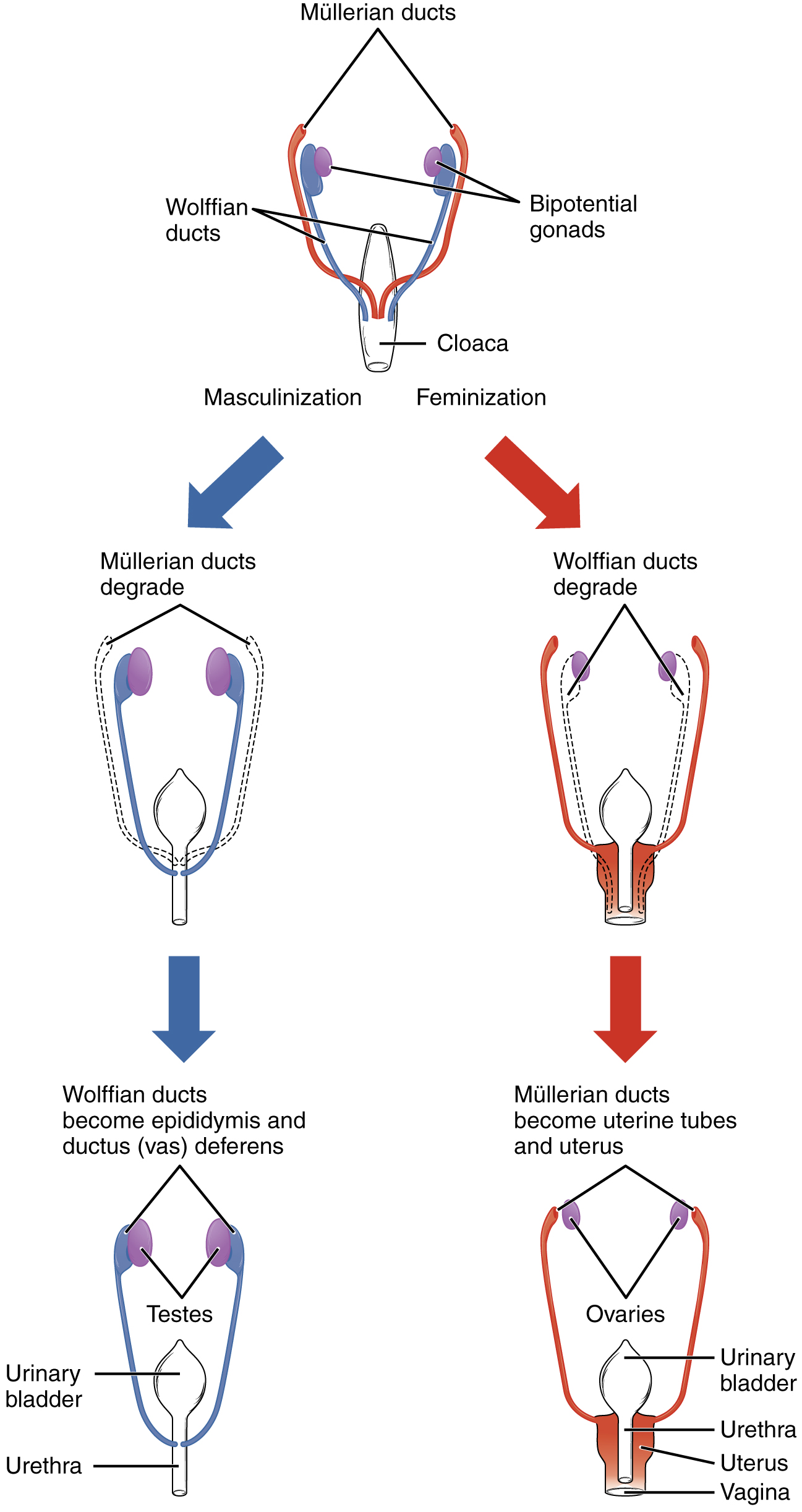
Gonadal and duct differentiation
Coordinates gonadal, ductal and external reproductive development through interacting genetic and hormonal pathways.
Identify · Structures · Viva 1 reference · 4 viva promptsNeural-tube defects: developmental basis
Relates neurulation failure to congenital abnormalities; the illustration shows normal closure for comparison.
Identify · Structures · Viva 1 reference · 4 viva prompts