 MEDIVEERSETHE PRACTICAL HUB
See the instrument.
Understand the principle.
From a counting chamber to a spirometer. Learn what each instrument does, identify its parts and practise explaining the science behind it.
Back to Practical Hub9 instruments to explore
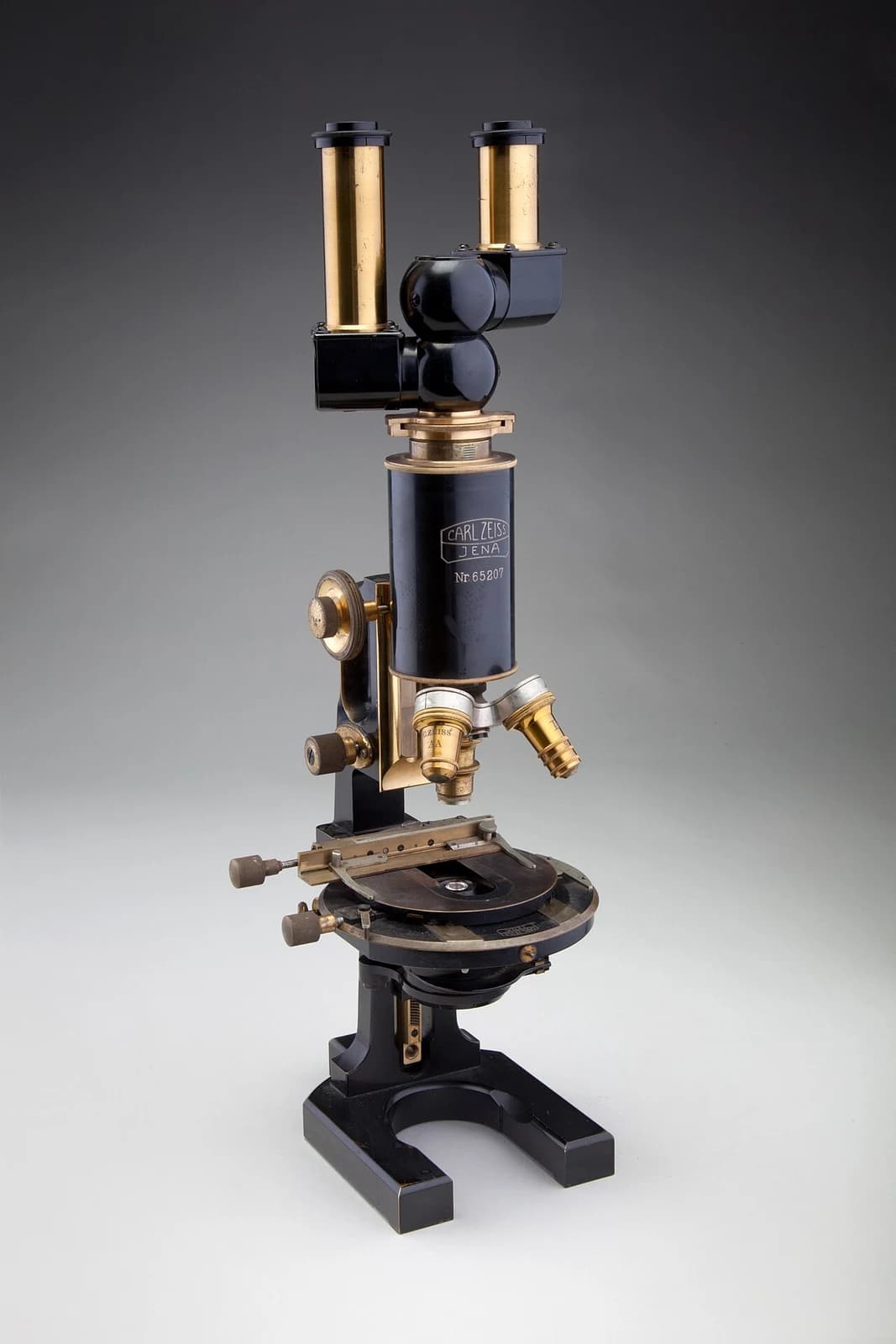
Compound microscope
Magnifies cells and tissues for practical identification and manual counting.
Identify · Locate · Practise 4 viva questions · Zoomable reference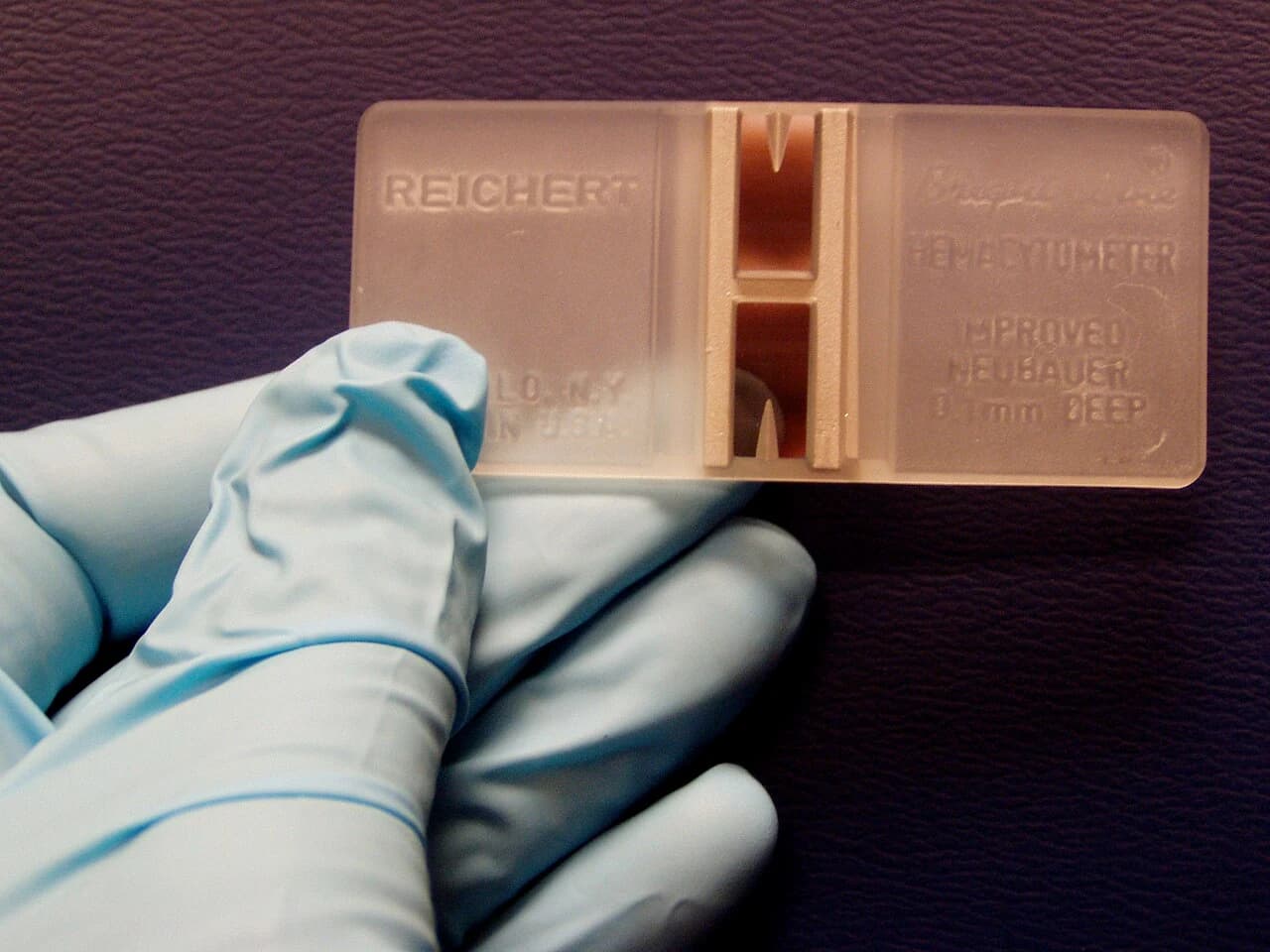
Improved Neubauer haemocytometer
Manually estimates cell concentration in a known volume under a microscope.
Identify · Locate · Practise 4 viva questions · Zoomable reference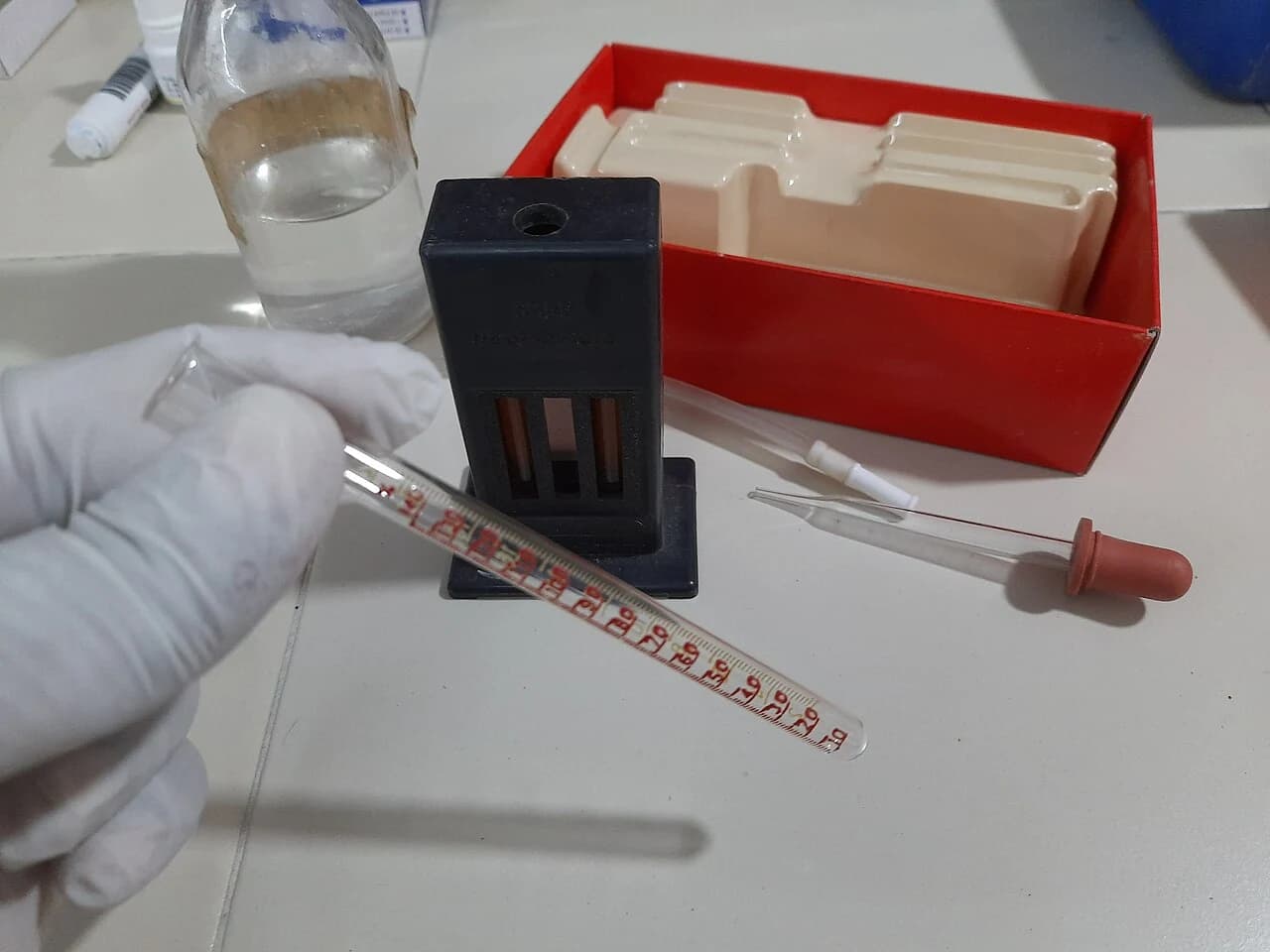
Sahli haemoglobinometer
Estimates haemoglobin by visual matching of acid haematin colour in a teaching laboratory.
Identify · Locate · Practise 4 viva questions · Zoomable reference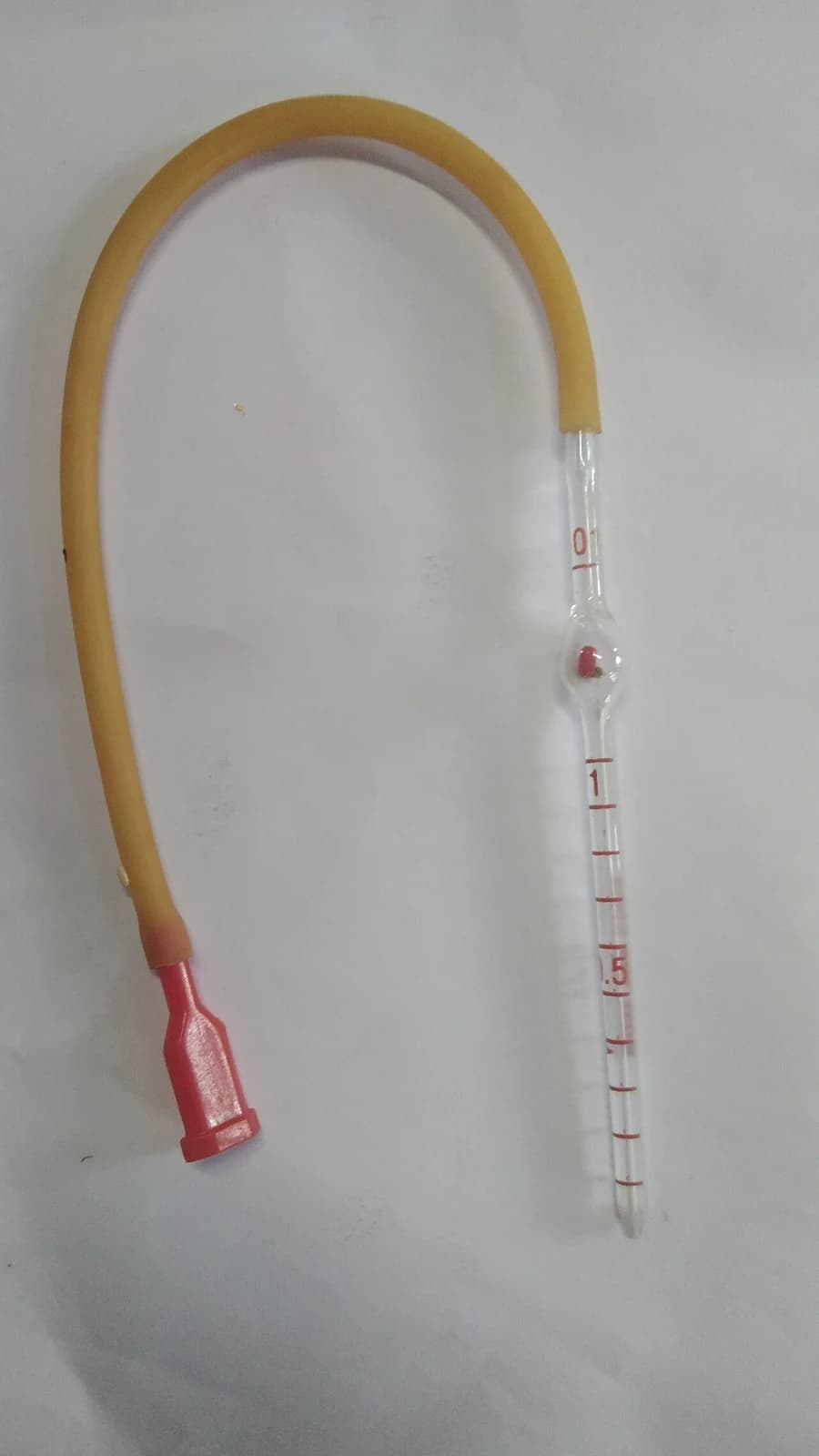
RBC diluting pipette
Prepares a measured cell suspension for traditional manual haemocytometry.
Identify · Locate · Practise 4 viva questions · Zoomable reference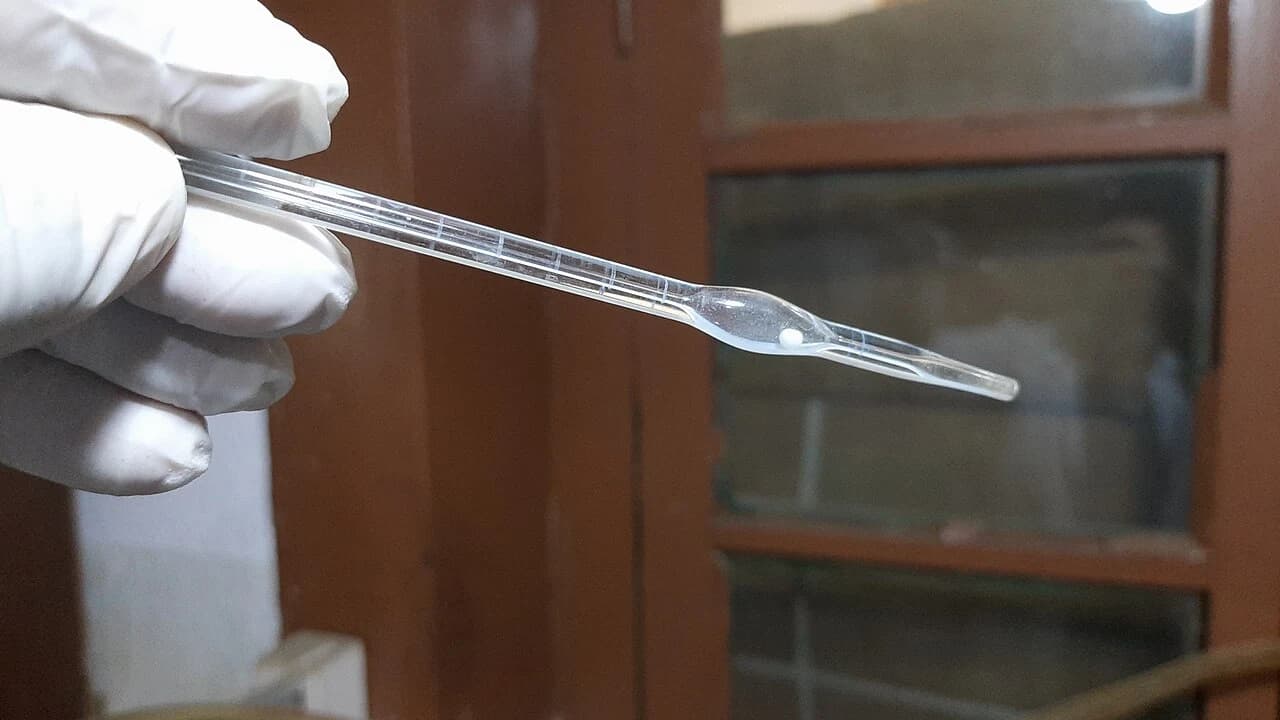
WBC diluting pipette
Prepares a measured cell suspension for traditional manual haemocytometry.
Identify · Locate · Practise 4 viva questions · Zoomable reference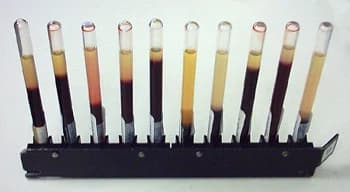
ESR sedimentation apparatus
Measures the distance red cells settle in a specified time in anticoagulated blood.
Identify · Locate · Practise 4 viva questions · Zoomable reference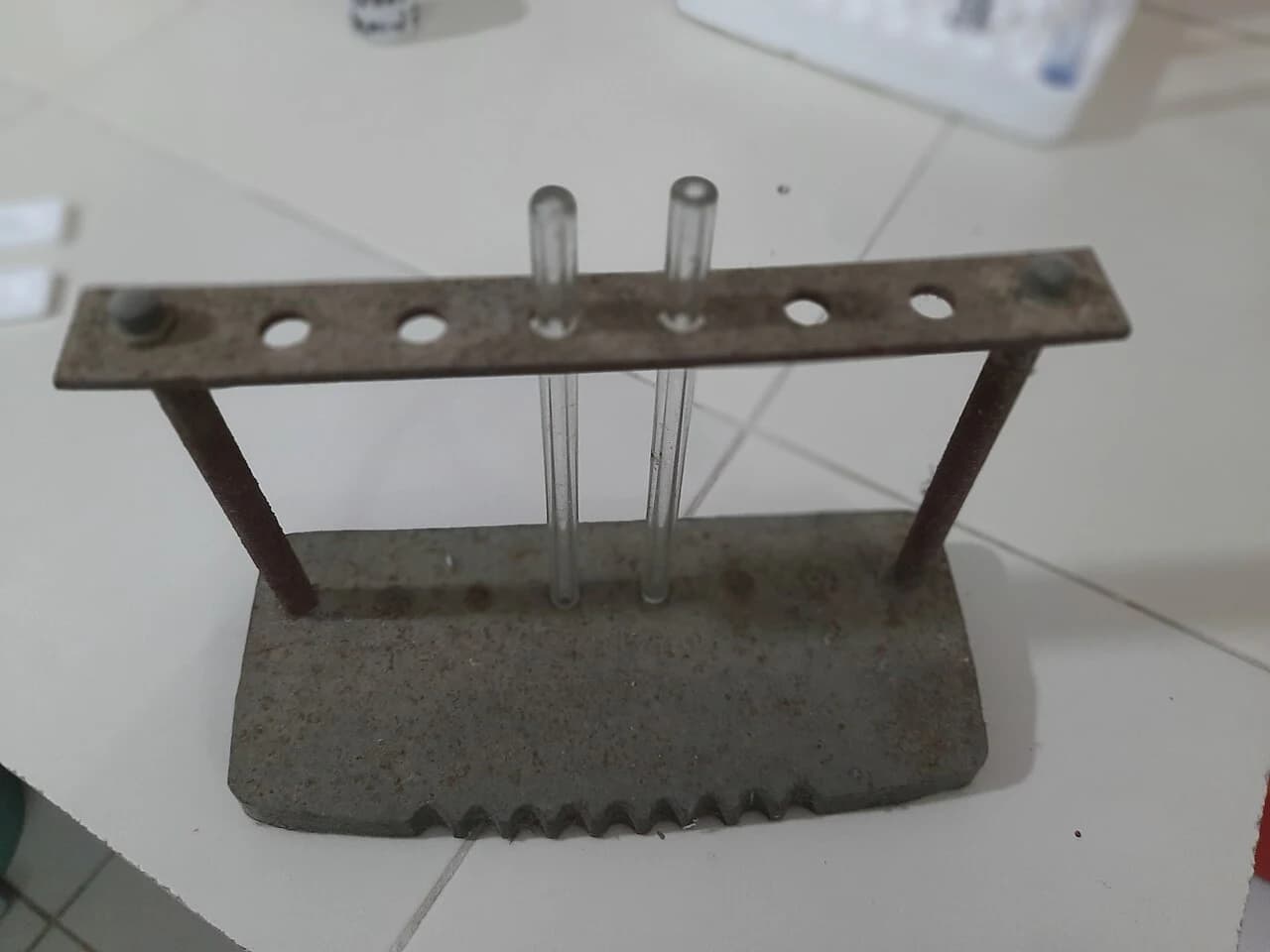
Wintrobe tube
Used in traditional macrohaematocrit and Wintrobe ESR methods.
Identify · Locate · Practise 4 viva questions · Zoomable reference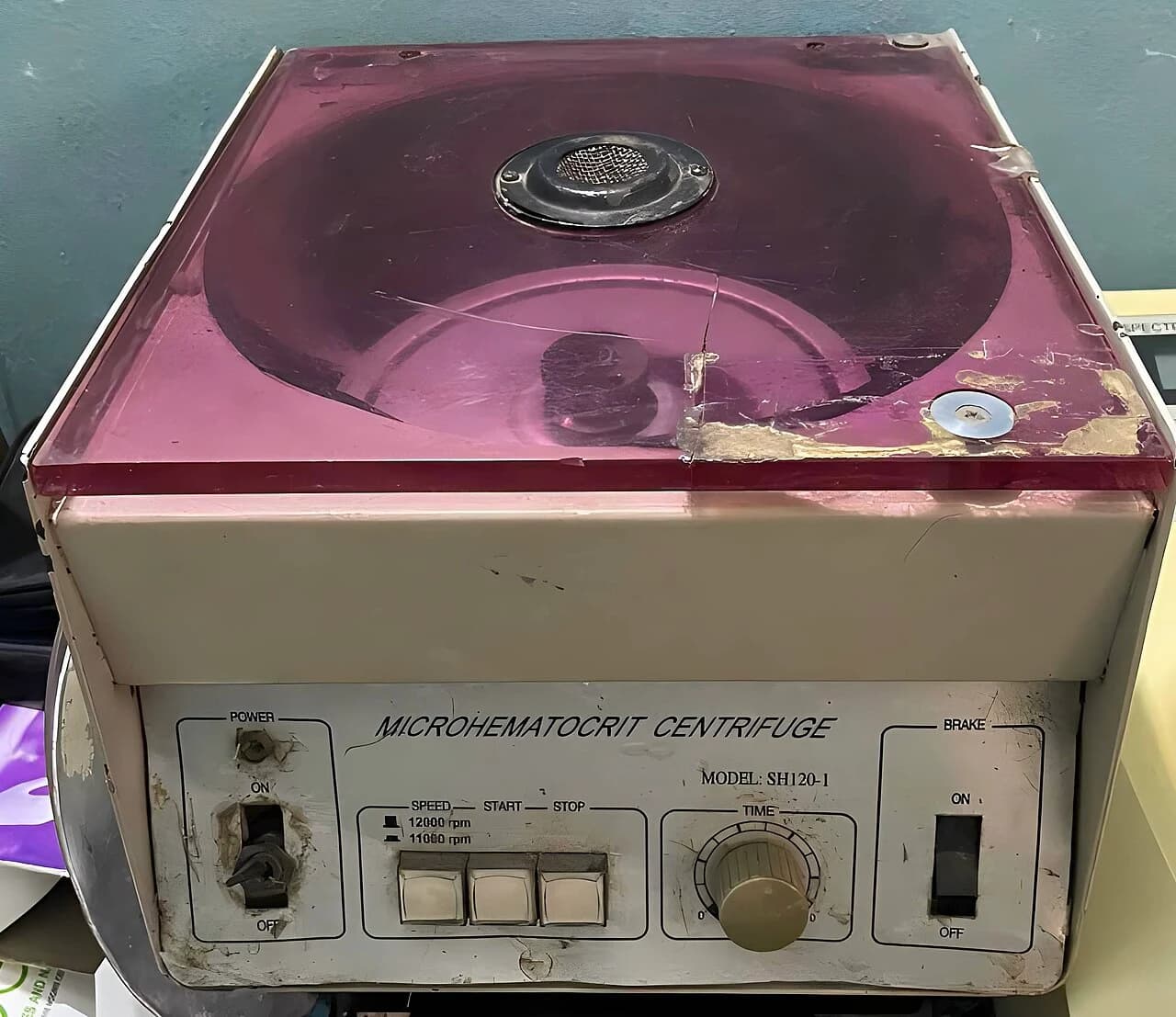
Microhaematocrit centrifuge
Separates blood in capillary tubes for packed cell volume measurement.
Identify · Locate · Practise 4 viva questions · Zoomable reference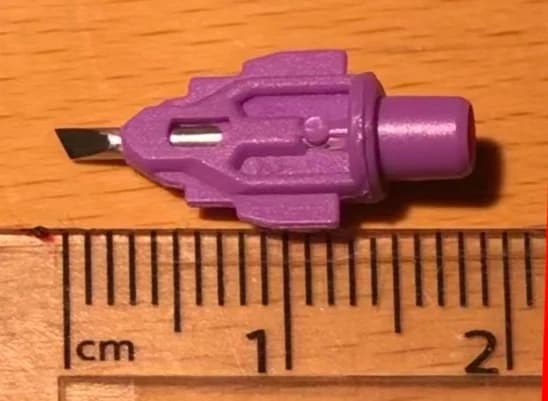
Blood lancet
Obtains a small capillary blood sample in supervised clinical or laboratory work.
Identify · Locate · Practise 4 viva questions · Zoomable referenceA core teaching collection for both courses. Instrument models and practical lists vary by college. Historical apparatus is included for recognition and principles; follow your department’s supervised practical programme.