 MEDIVEERSETHE PRACTICAL HUB
See the instrument.
Understand the principle.
From a micropipette to a spectrophotometer. Learn what each instrument does, identify its parts and practise explaining the science behind it.
Back to Practical Hub20 instruments to explore
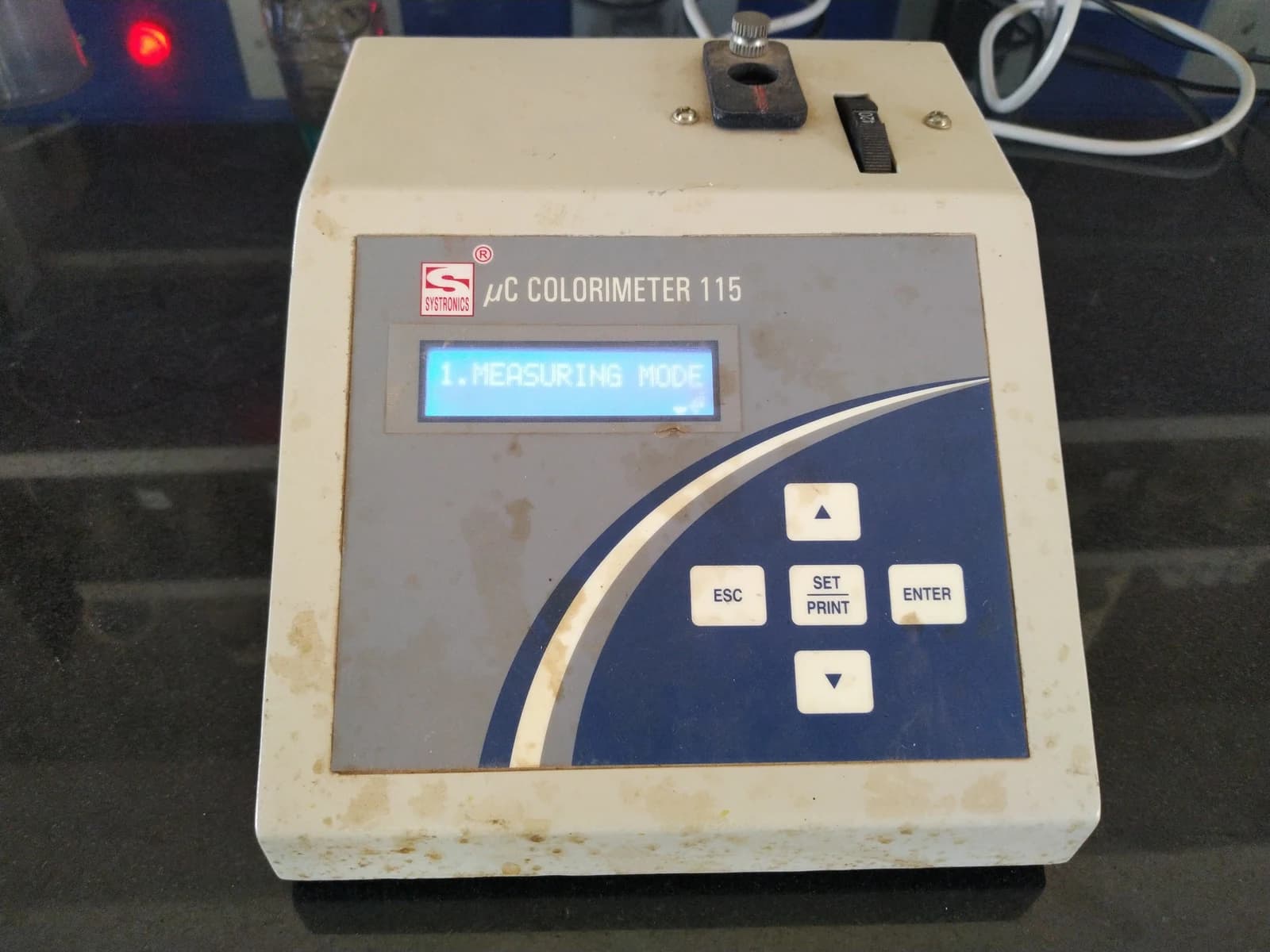
Photoelectric colorimeter
Measures light absorption by coloured solutions in suitable biochemical assays.
Identify · Locate · Practise 4 viva questions · Zoomable reference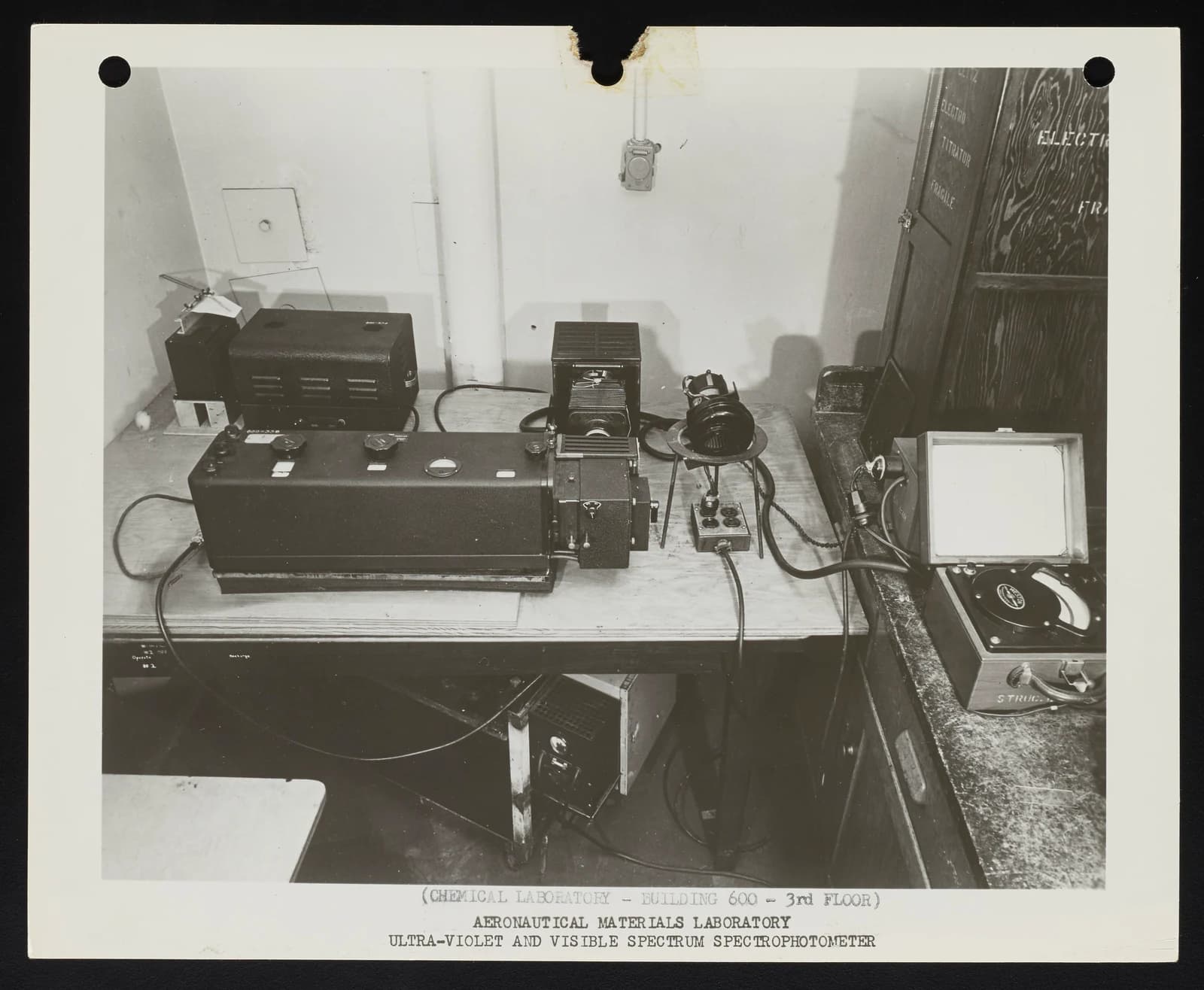
UV–visible spectrophotometer
Measures absorbance at selected wavelengths or across a spectrum in compatible samples.
Identify · Locate · Practise 4 viva questions · Zoomable reference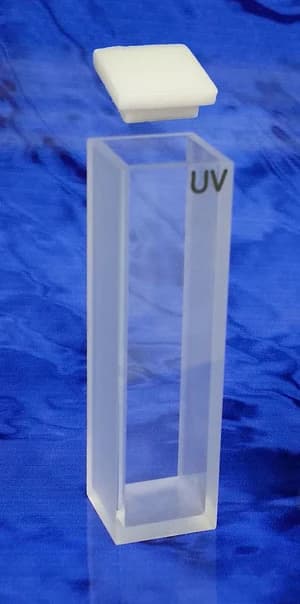
Cuvette
Holds a sample in the optical path of a colorimeter or spectrophotometer.
Identify · Locate · Practise 4 viva questions · Zoomable reference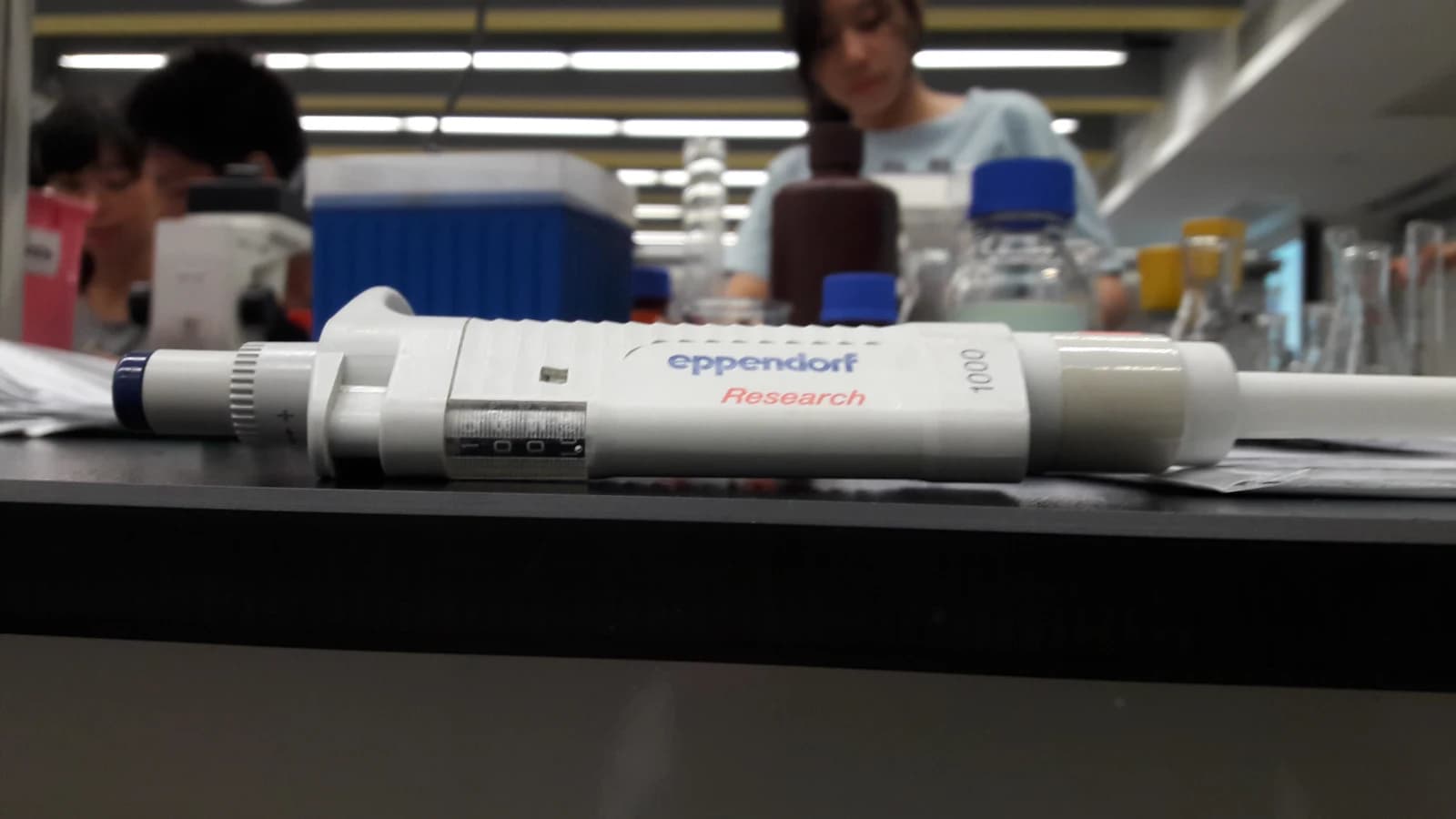
Adjustable micropipette
Transfers small liquid volumes within the instrument’s stated range.
Identify · Locate · Practise 4 viva questions · Zoomable reference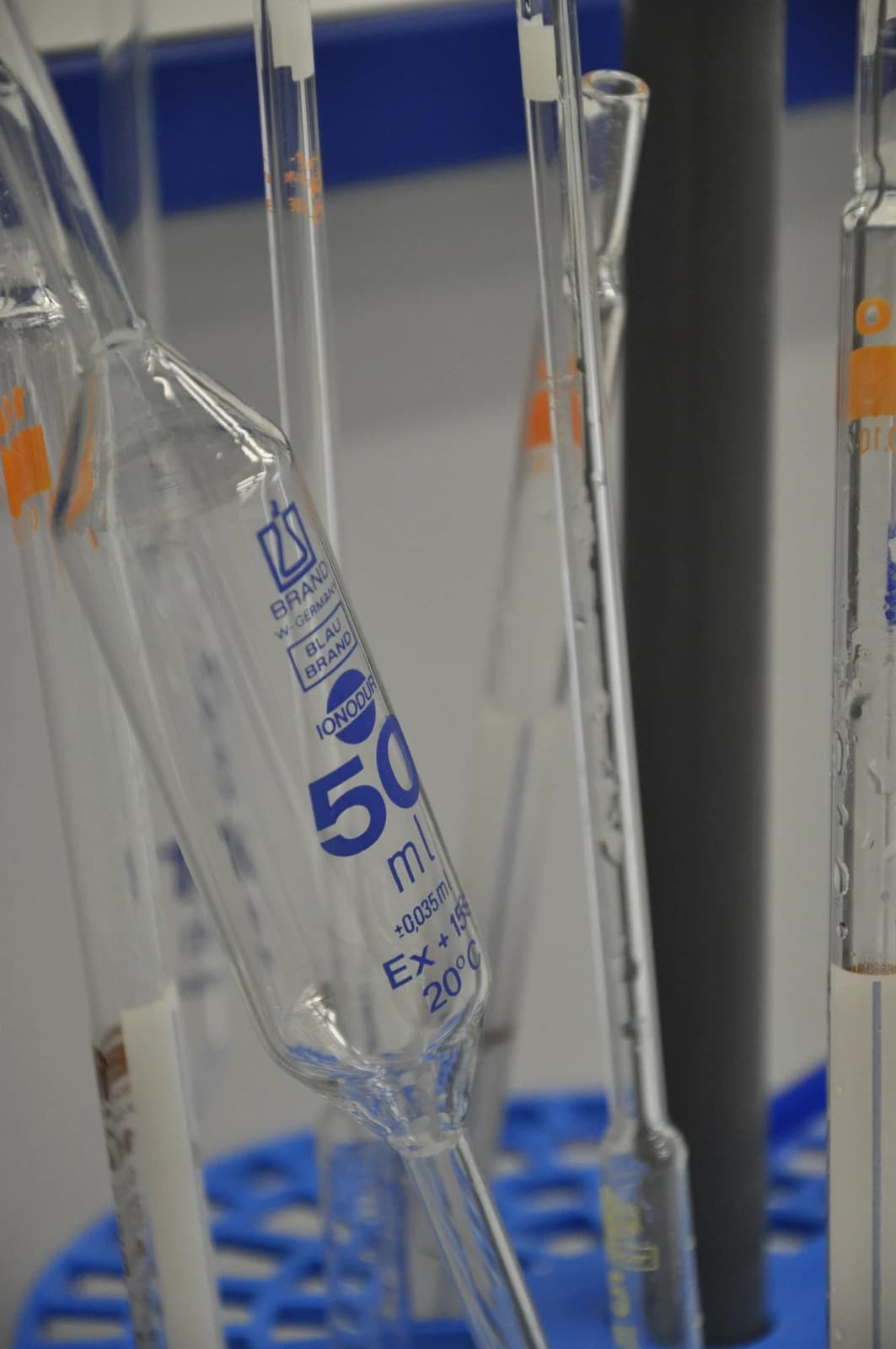
Volumetric pipette
Transfers a fixed calibrated volume for accurate solution preparation.
Identify · Locate · Practise 4 viva questions · Zoomable reference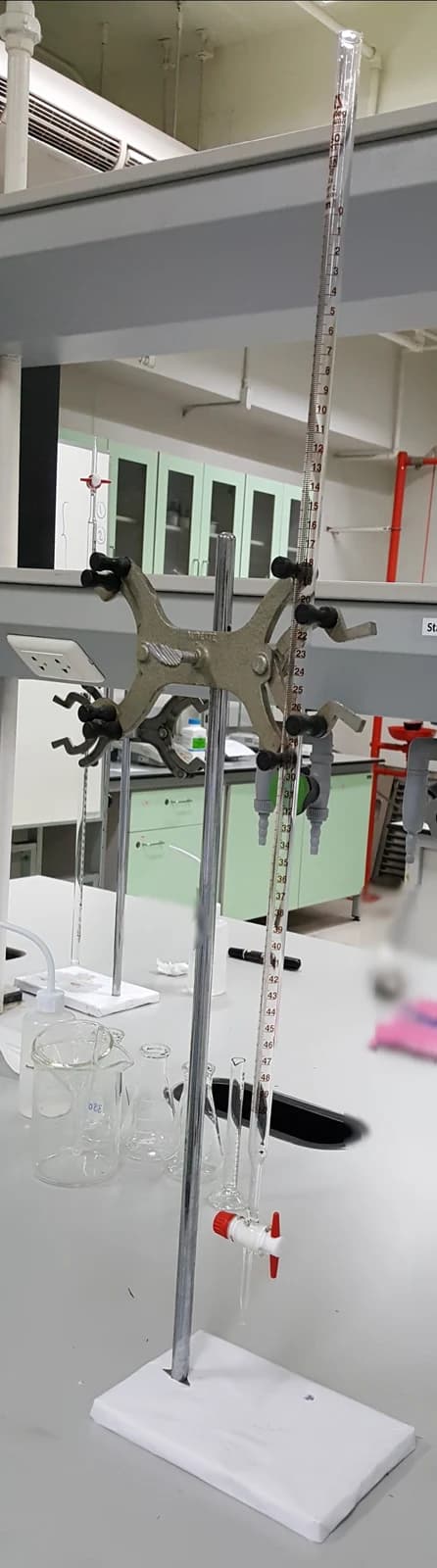
Burette
Delivers a measured variable volume during titration.
Identify · Locate · Practise 4 viva questions · Zoomable reference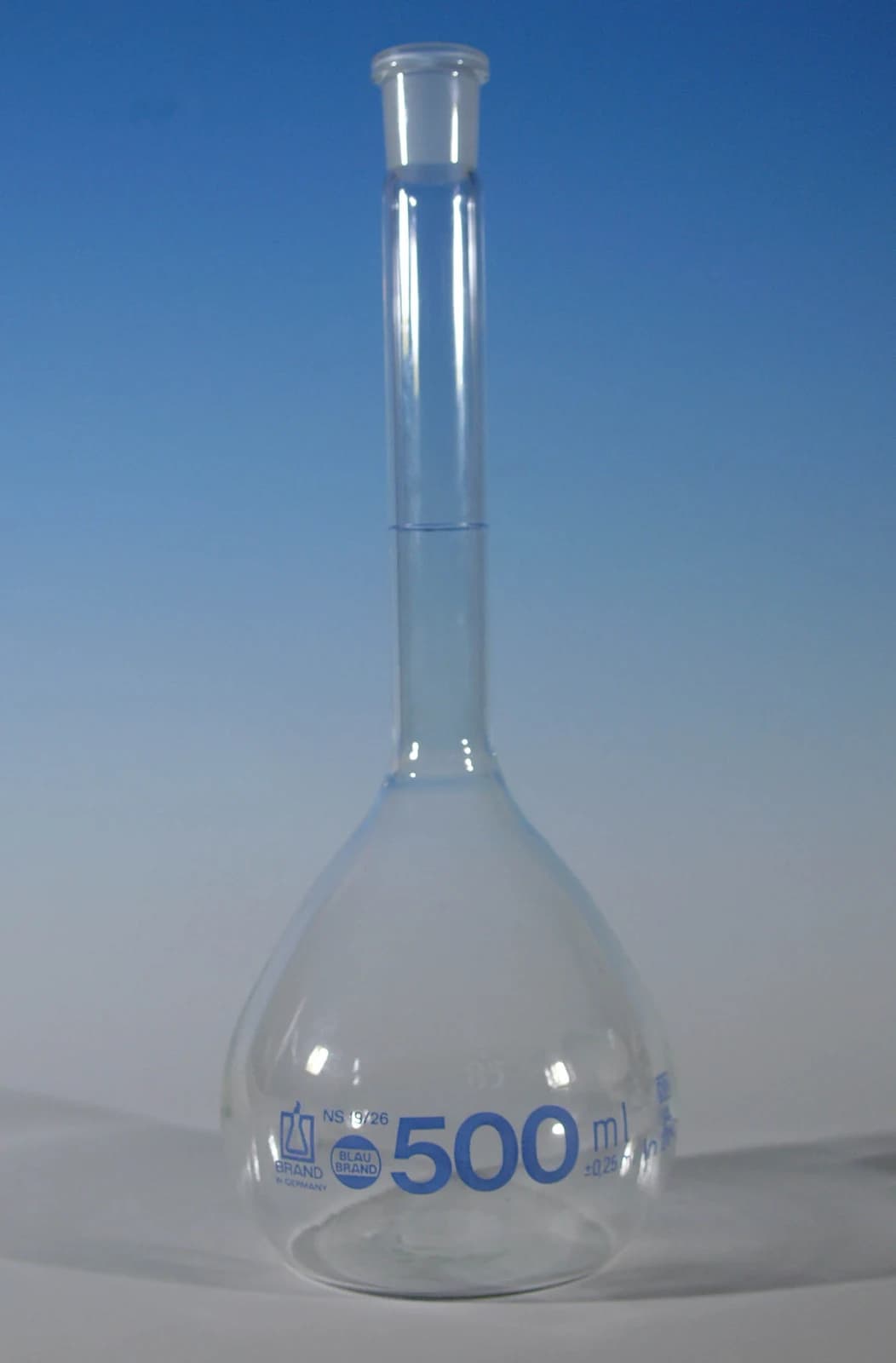
Volumetric flask
Prepares a solution to a specified final volume.
Identify · Locate · Practise 4 viva questions · Zoomable reference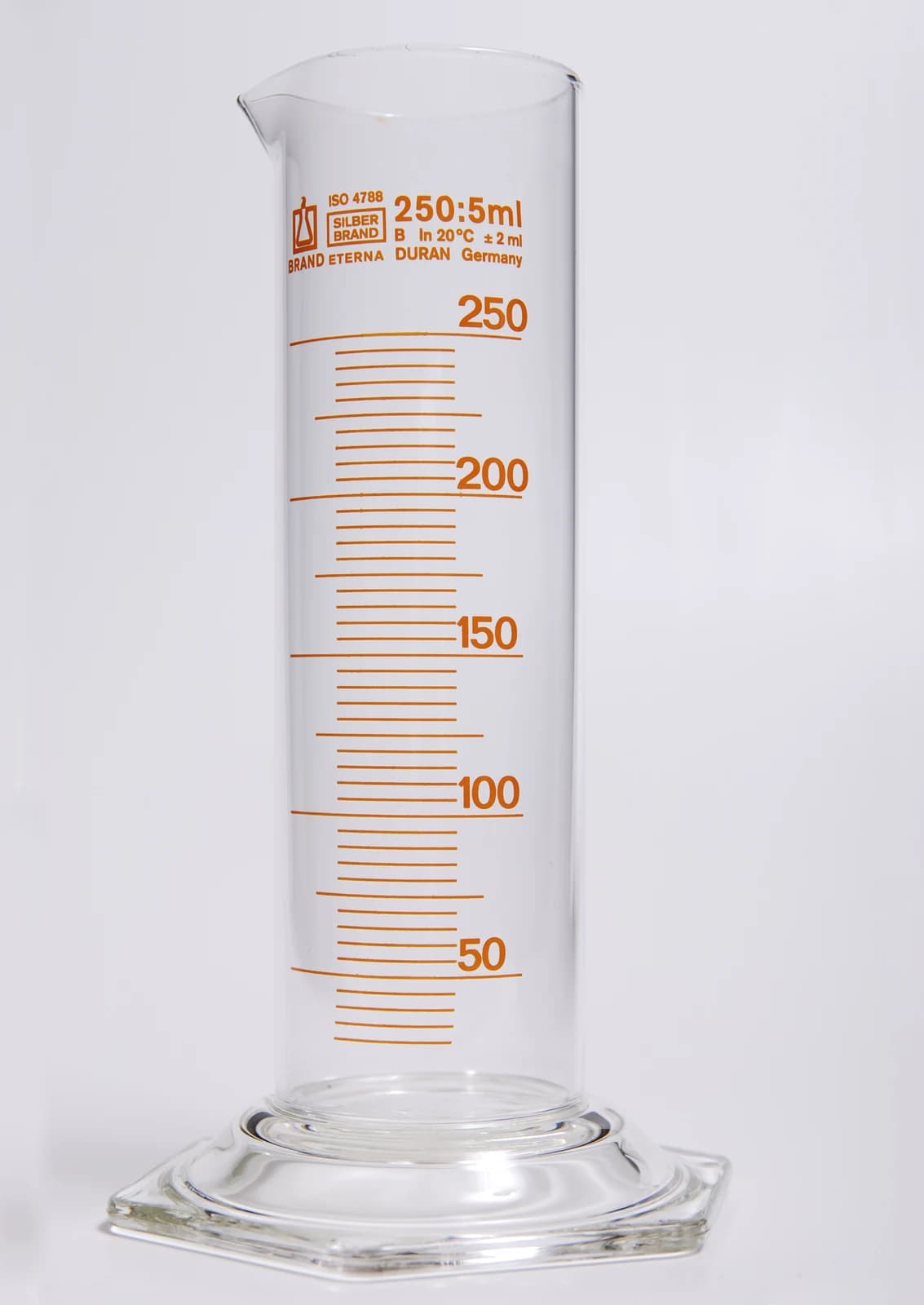
Graduated measuring cylinder
Measures liquid volume when moderate precision is sufficient.
Identify · Locate · Practise 4 viva questions · Zoomable reference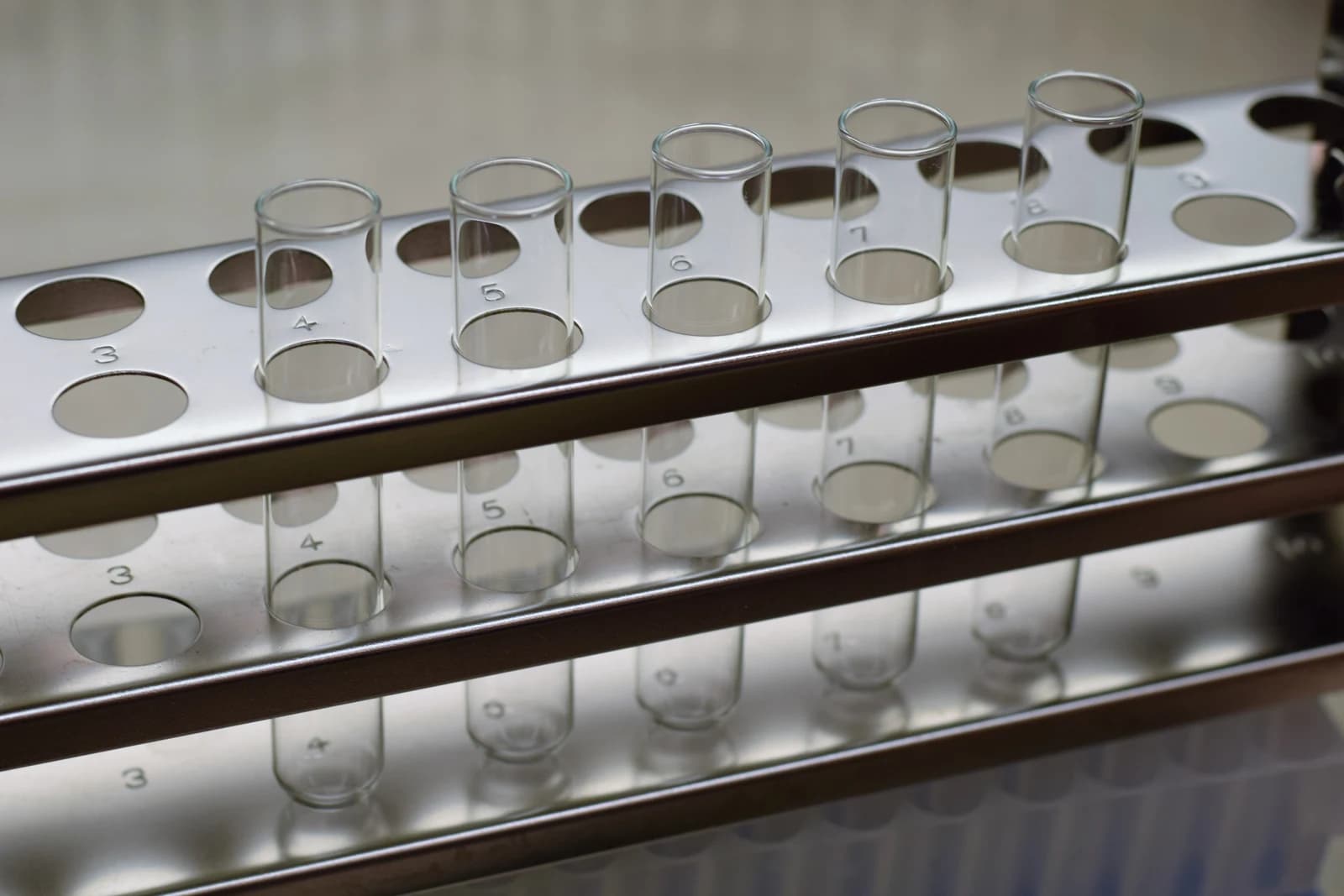
Test tubes
Holds small samples for reactions, observation or compatible heating in supervised practicals.
Identify · Locate · Practise 4 viva questions · Zoomable reference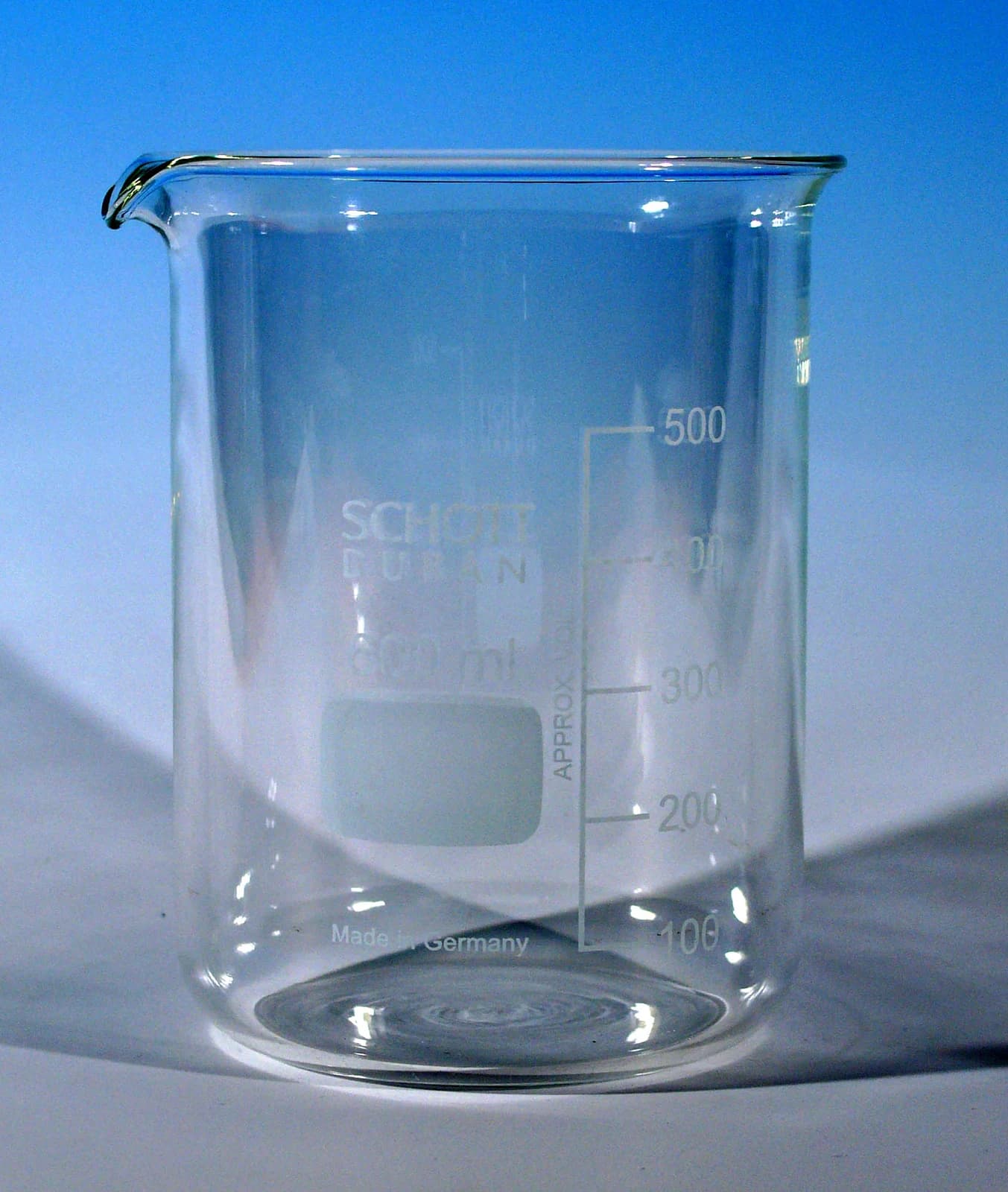
Laboratory beaker
Holds, mixes and transfers liquids during sample and reagent preparation.
Identify · Locate · Practise 4 viva questions · Zoomable reference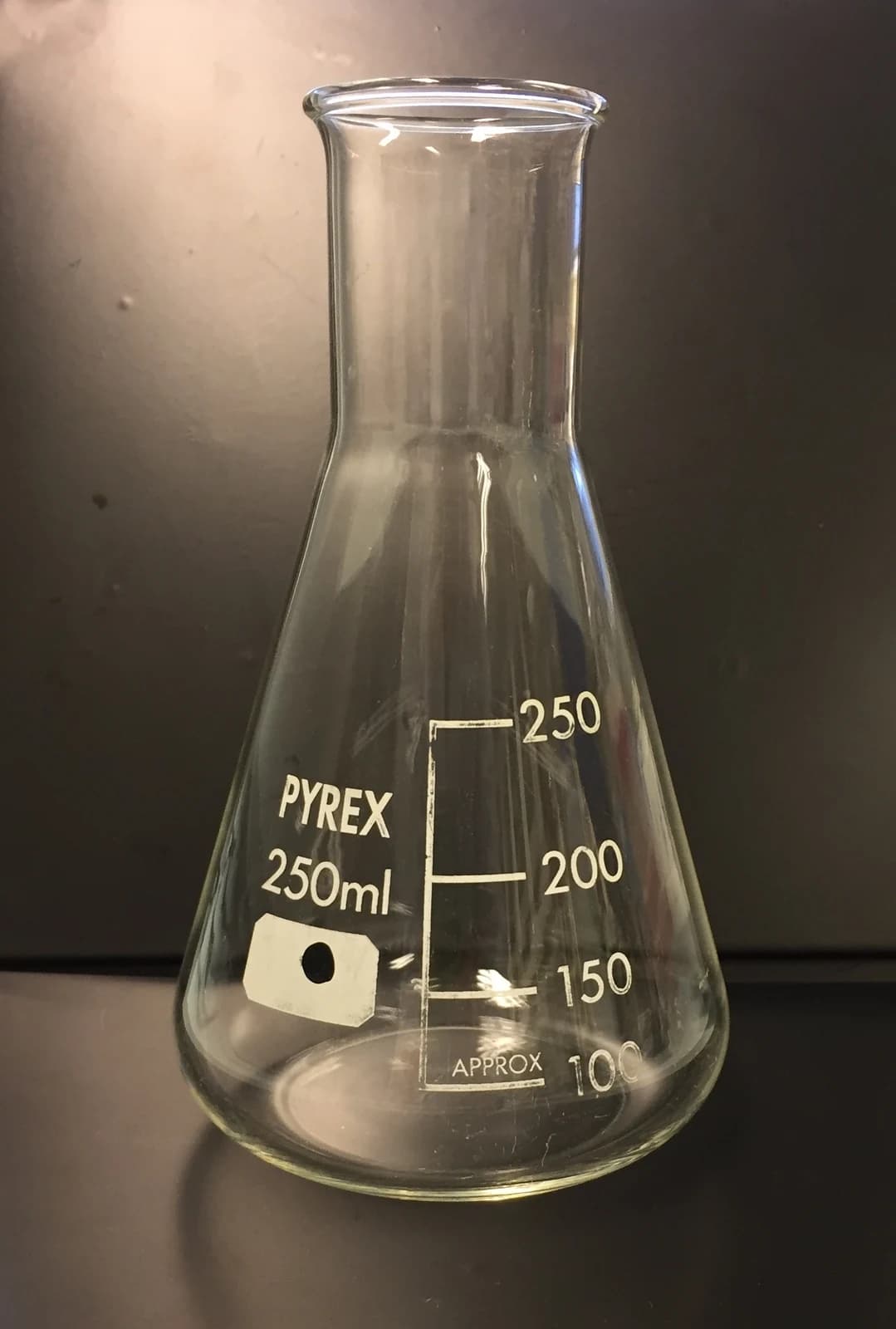
Conical flask
Mixes solutions by swirling and receives titrant during titration.
Identify · Locate · Practise 4 viva questions · Zoomable reference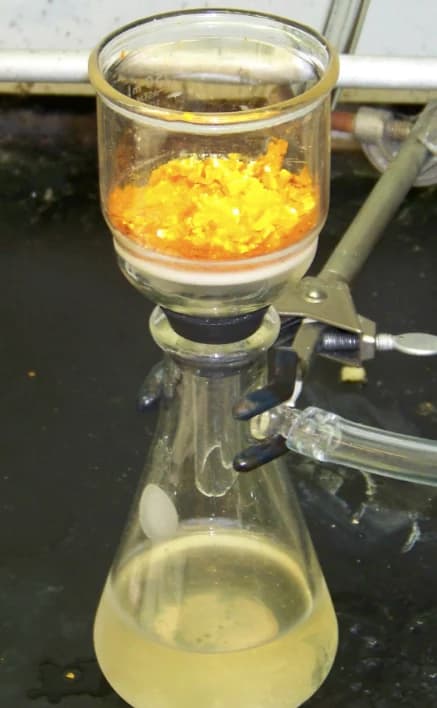
Vacuum filtration apparatus
Separates suspended solids from a liquid using a suitable filter medium and reduced pressure.
Identify · Locate · Practise 4 viva questions · Zoomable reference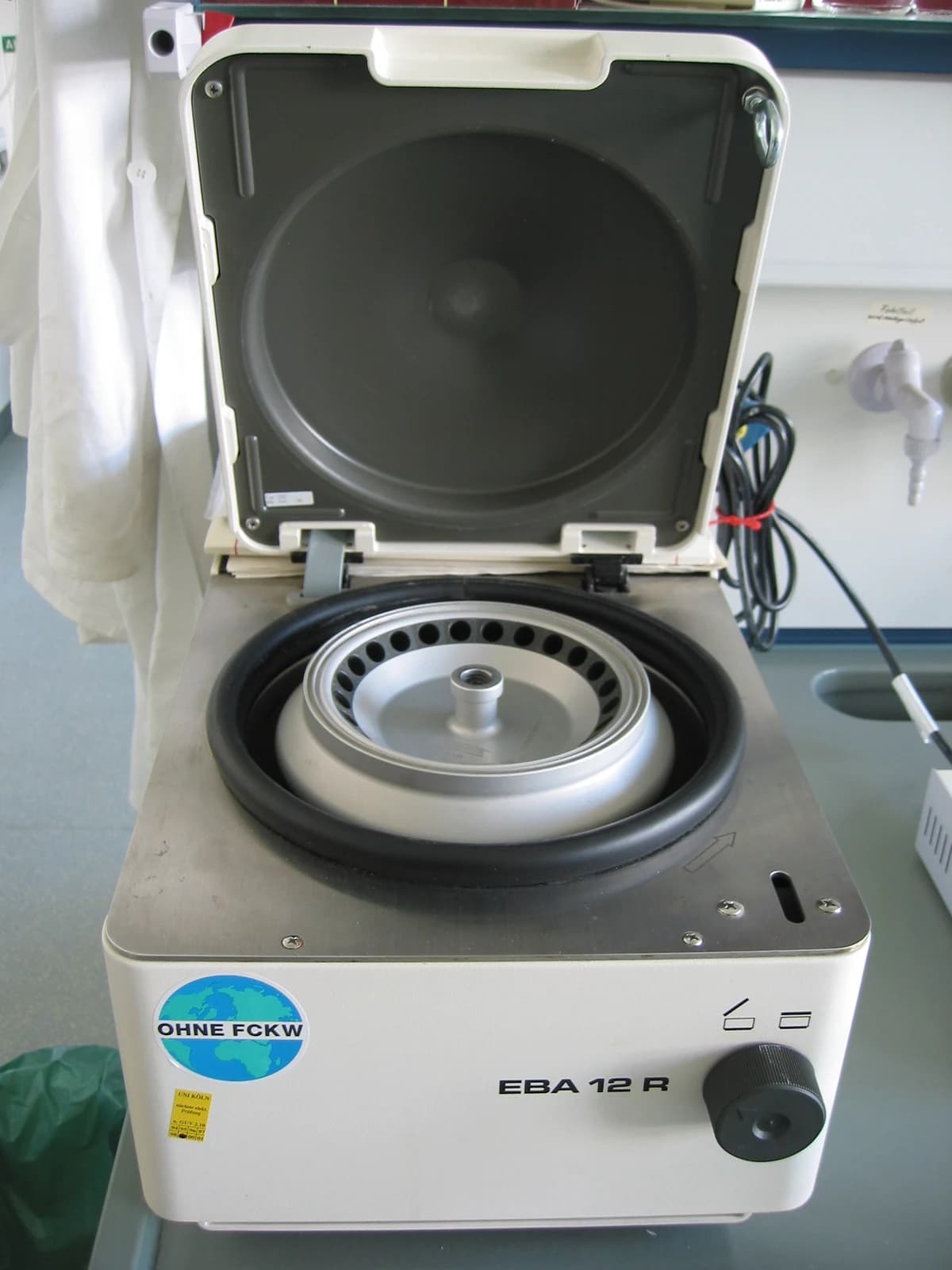
Bench centrifuge
Separates components such as cells and liquid according to their sedimentation behaviour.
Identify · Locate · Practise 4 viva questions · Zoomable reference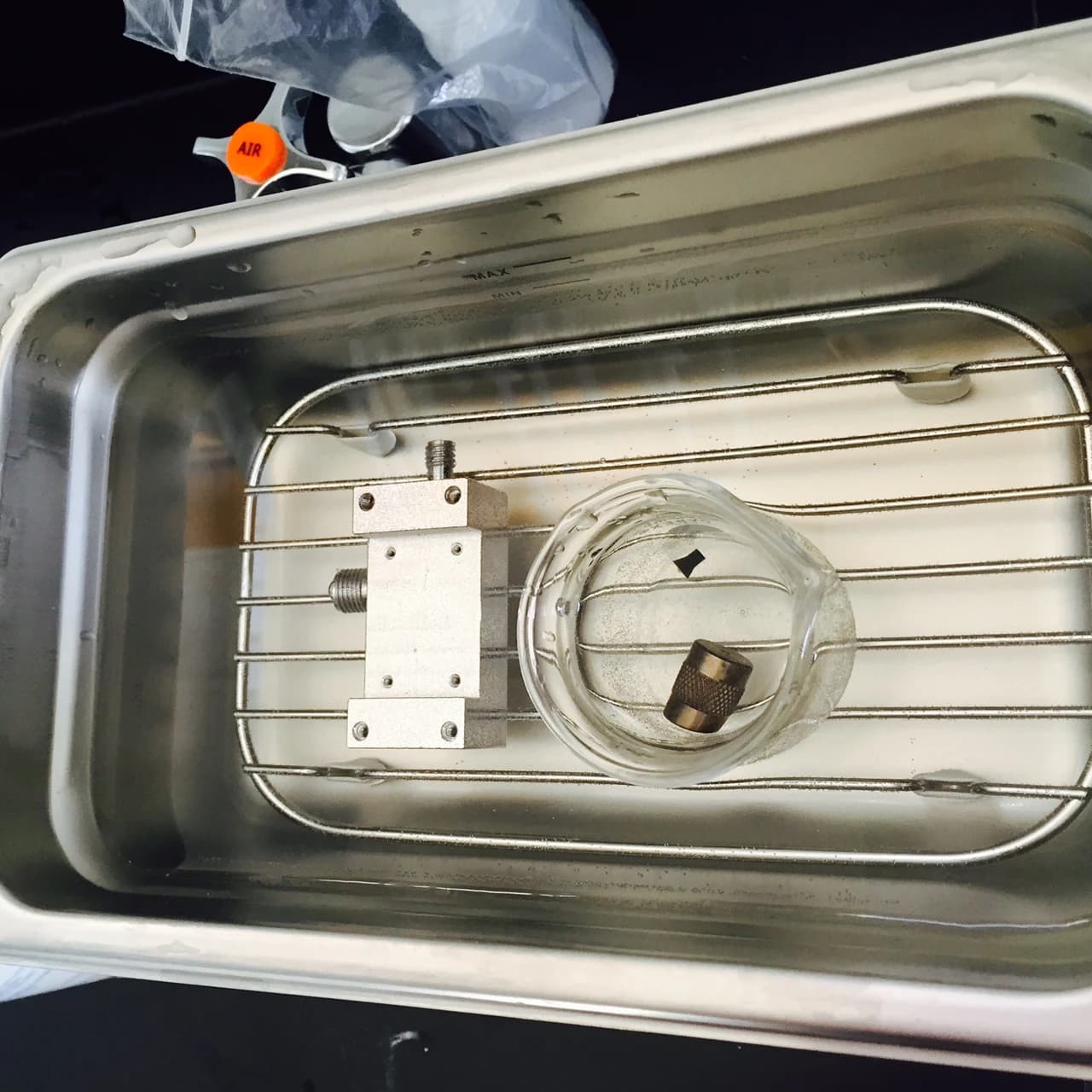
Laboratory water bath
Maintains samples at a controlled temperature for suitable biochemical reactions.
Identify · Locate · Practise 4 viva questions · Zoomable reference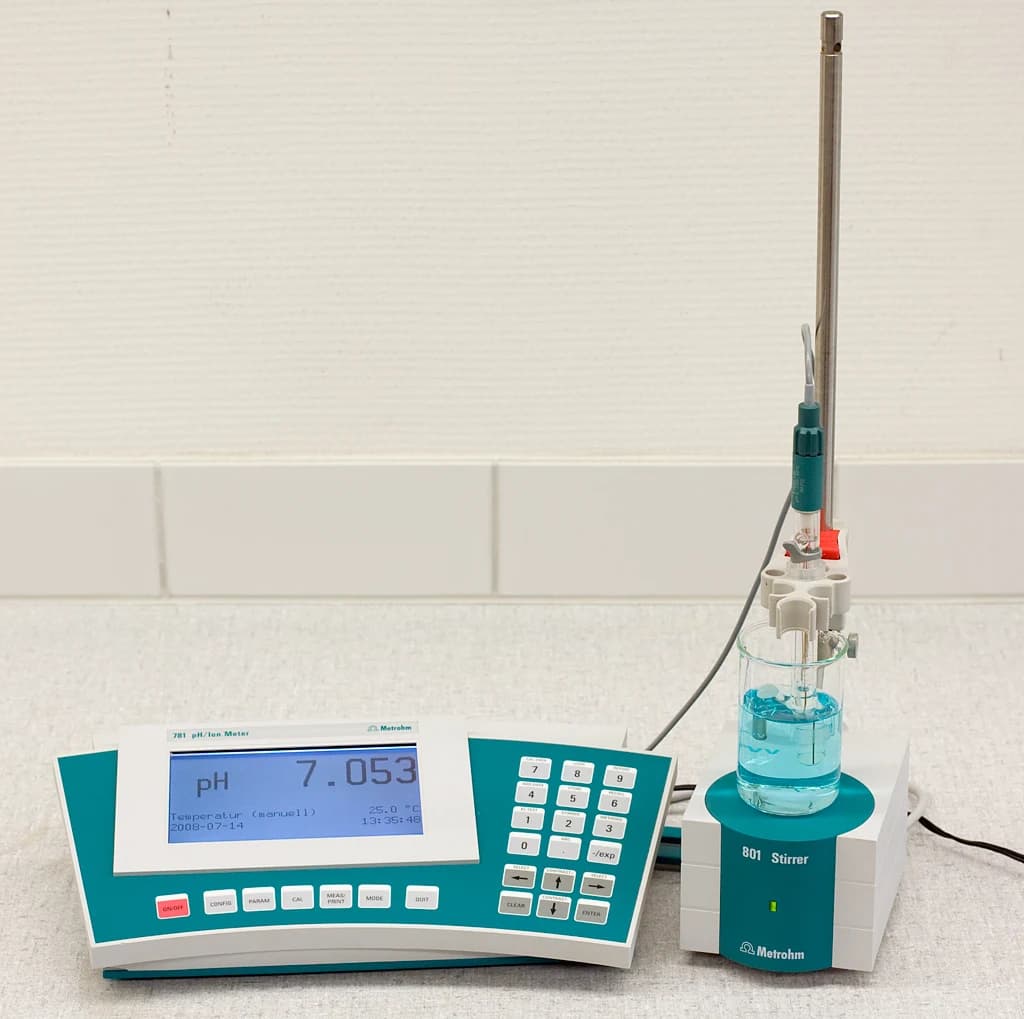
pH meter
Measures the acidity or alkalinity of compatible aqueous samples.
Identify · Locate · Practise 4 viva questions · Zoomable reference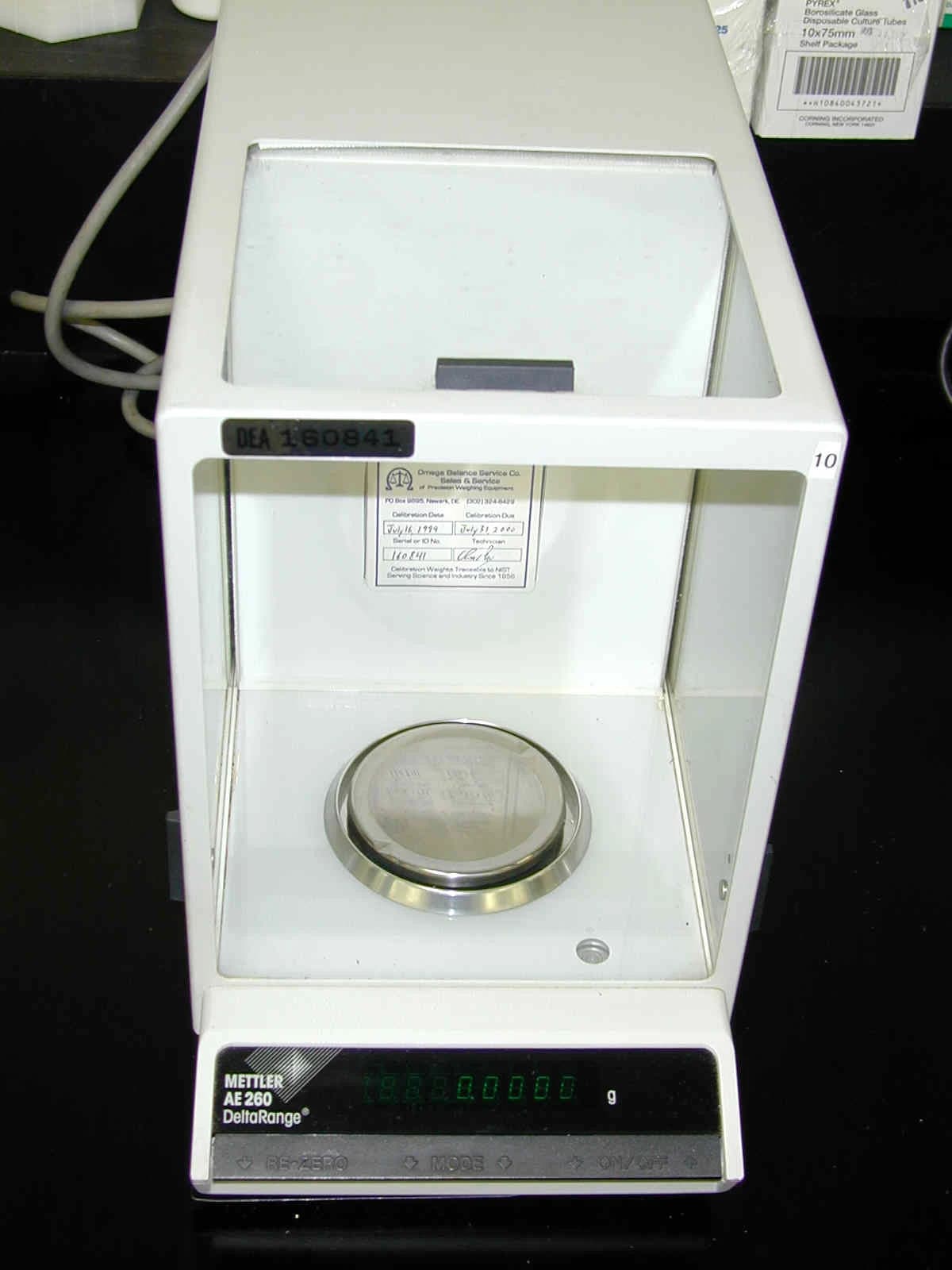
Analytical balance
Measures mass accurately for reagent and standard preparation.
Identify · Locate · Practise 4 viva questions · Zoomable reference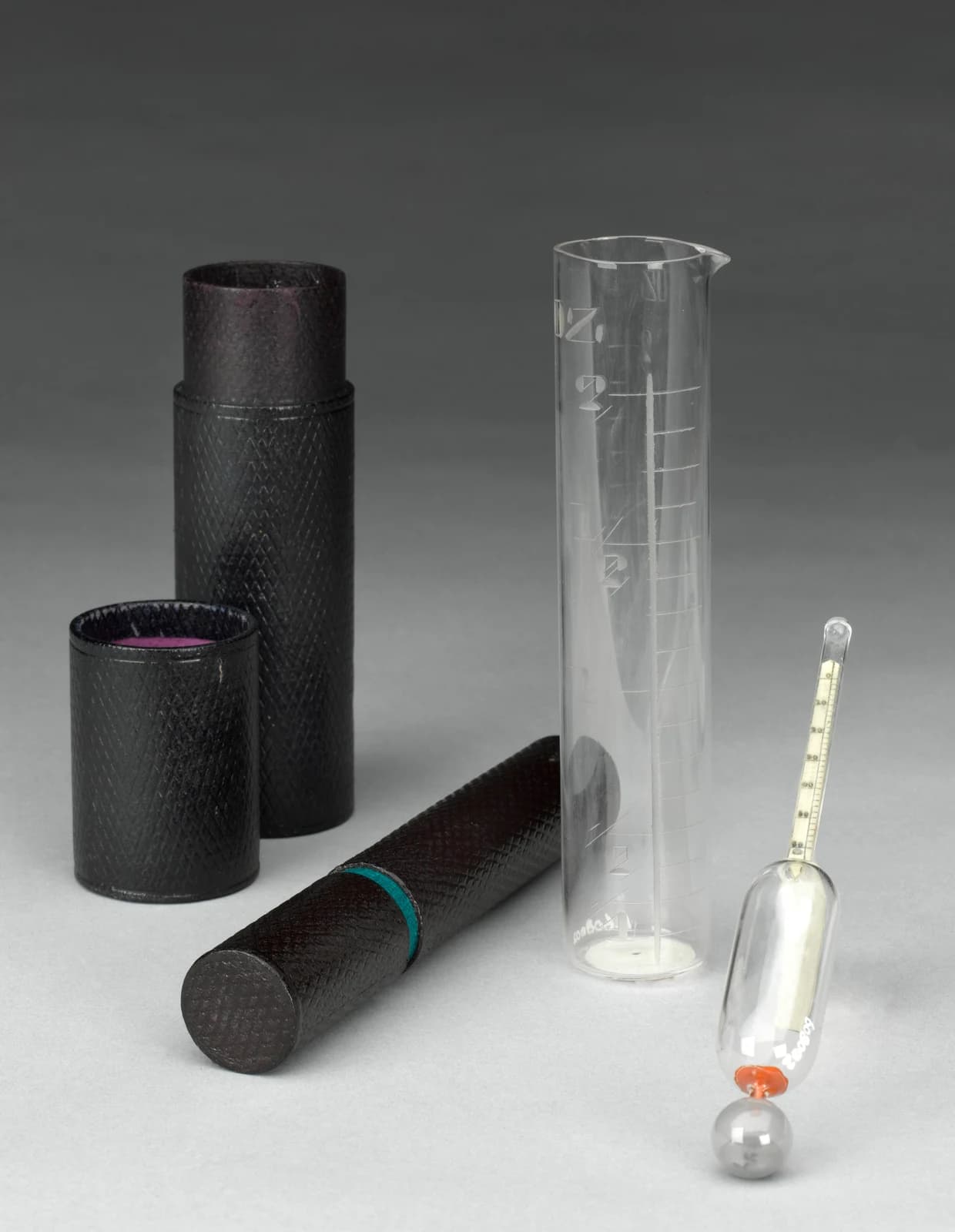
Urinometer
Estimates urine specific gravity by flotation in a suitable specimen volume.
Identify · Locate · Practise 4 viva questions · Zoomable reference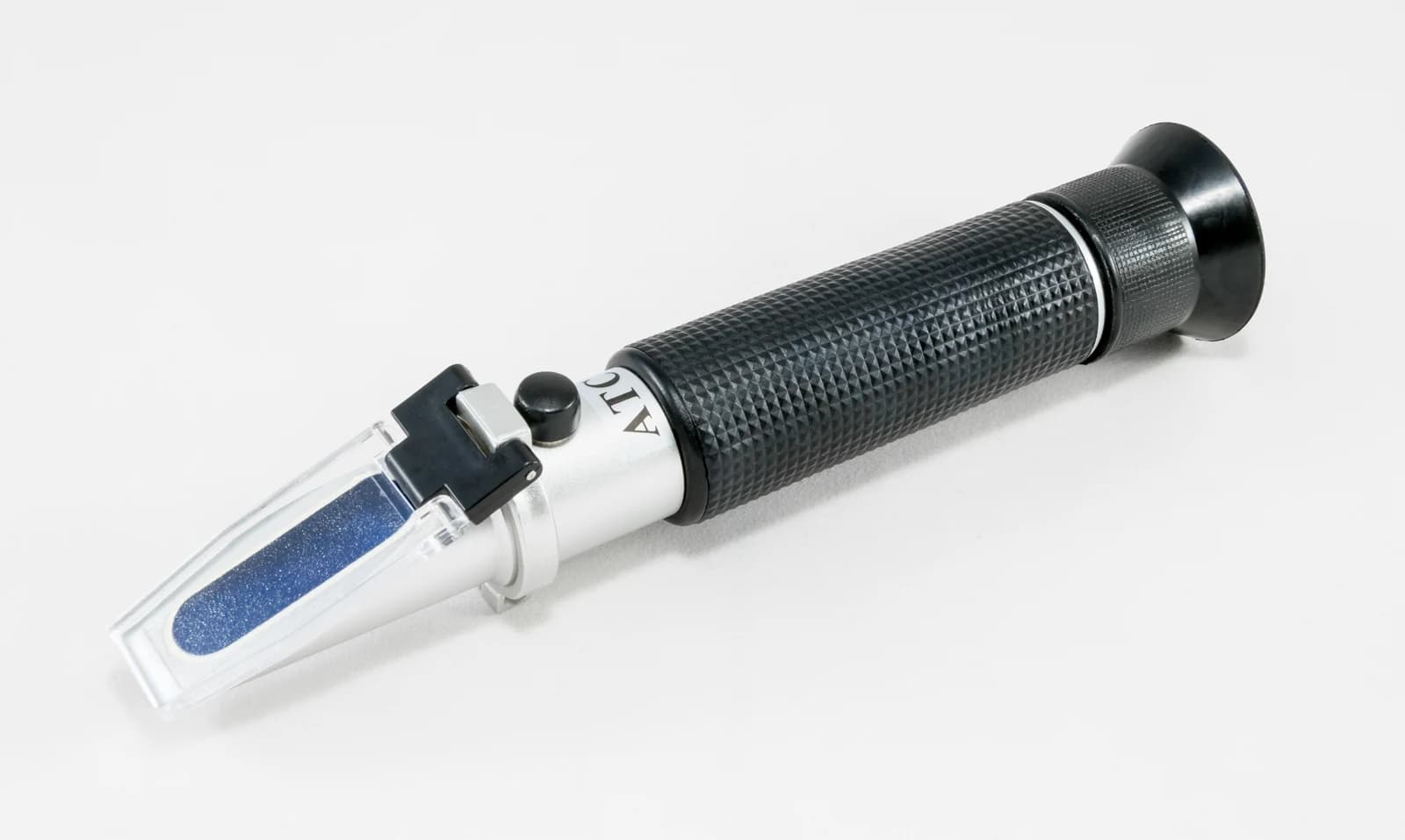
Handheld refractometer
Estimates dissolved-solute concentration or specific gravity using the appropriate calibrated scale.
Identify · Locate · Practise 4 viva questions · Zoomable reference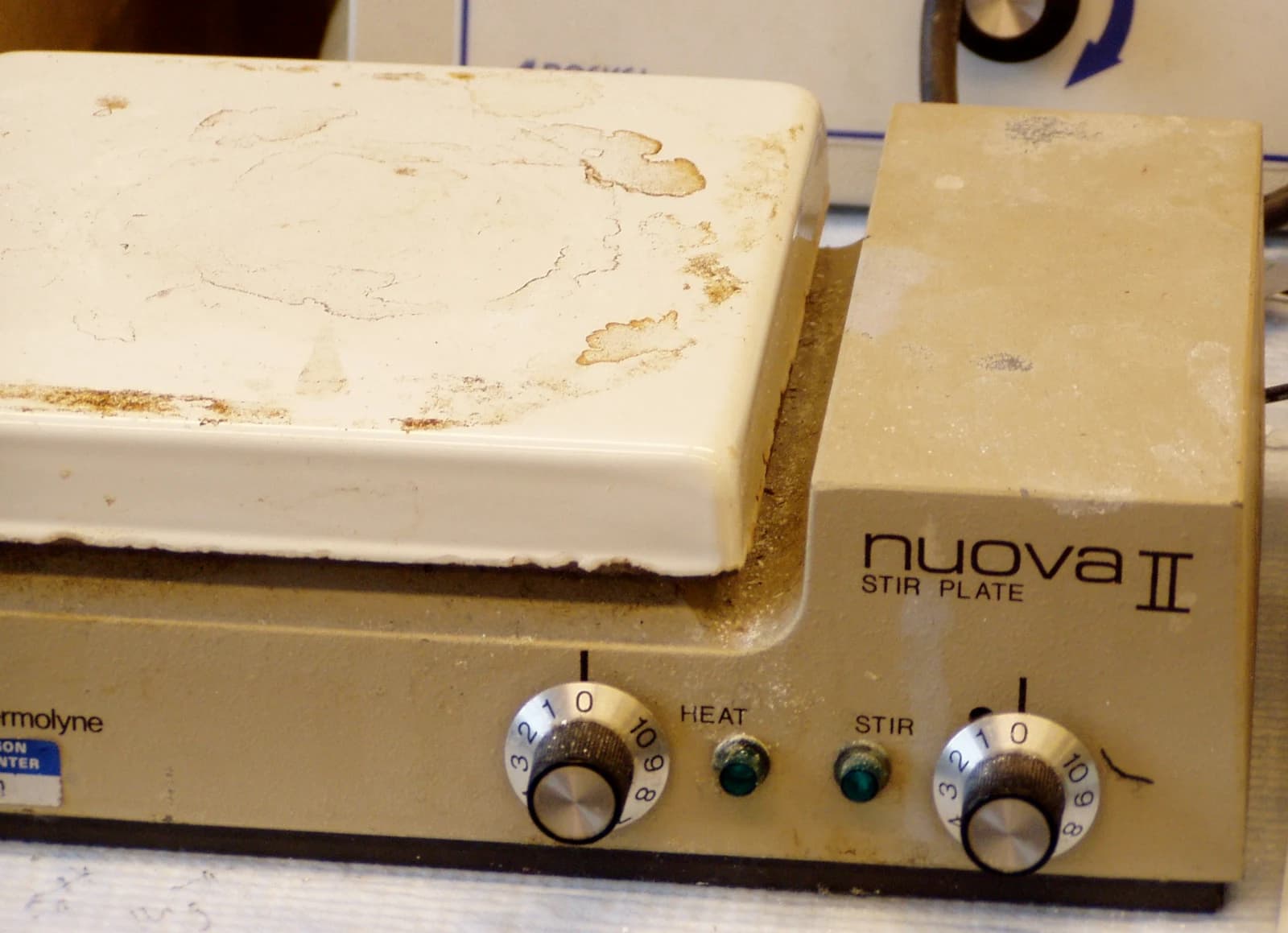
Laboratory hot plate
Heats compatible vessels; some models also provide magnetic stirring.
Identify · Locate · Practise 4 viva questions · Zoomable reference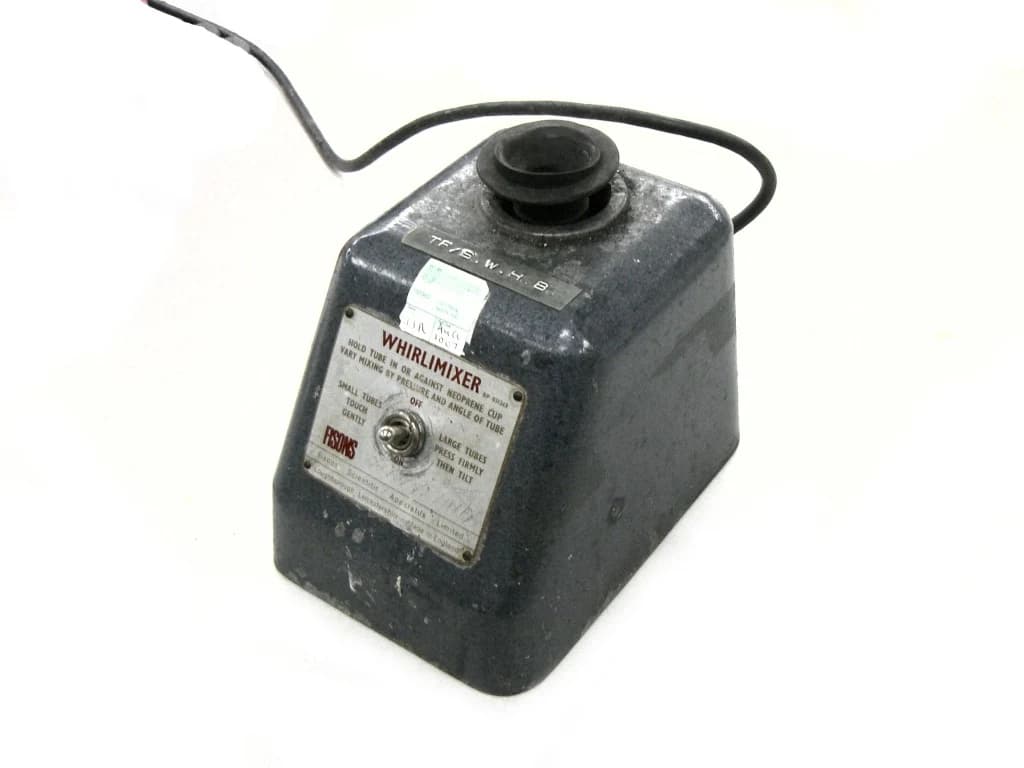
Vortex mixer
Rapidly mixes small samples in compatible closed tubes.
Identify · Locate · Practise 4 viva questions · Zoomable referenceA core teaching collection for both courses. Instrument models and practical lists vary by college. Photographs illustrate specific models; follow your department’s supervised practical programme.